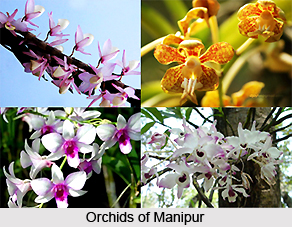
 West Bengal eco parks are special areas, having a remarkable collection of floral and faunal species. These eco parks have been established to preserve the rich wildlife in the state of West Bengal. These eco parks are known to do a great job in preserving the rich variety of wildlife in the state and they are also working on enhancing the populations of endangered species.
Different West Bengal Eco Parks
West Bengal eco parks are situated in the major places of the state. The important eco parks are New Town Eco Park, Captain Bherry Eco and Aquatic Hub, Neora Valley National Park, Singalia National Park, Gorumara National Park, Jaldapara Wildlife Sanctuary, Sunderbans Tiger Reserve, Buxa Tiger Reserve, etc.
Management of West Bengal Eco Parks
 The initiative of preserving wildlife in West Bengal and establishing eco parks for serving the purpose, started several years back. Mainly the naturalists and environmentalists of the state took the initiatives and later received necessary assistance from the State Government of West Bengal and also from the Government of India. West Bengal eco parks are being managed by both private and government organizations. Most of the eco parks in West Bengal are concentrated on preserving all the aspects of wildlife like plants, mammals, reptiles and birds. However, there are a few like the Sundarbans Tiger Reserve, which are mainly aimed at preserving certain species like tigers, birds, etc.
Flora of West Bengal Eco Parks
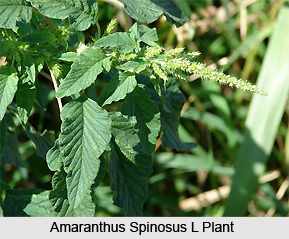
West Bengal eco parks are homes to a wide variety of plant species that are part of the natural vegetation of the state. The plant species have both medicinal and commercial values. Some of the important plant species in West Bengal eco parks include the rhododendron, magnolia, oak, hemlock, silver fir, juniper, mailing bamboo, buk, kawla, bhujpatra, primulas, aconitums, gentians, arisaemas, teak, simul, siris and khair. A tree namely, Sundari is the most important tree species in West Bengal. Sunderbans in West Bengal has derived its name from the word, Sundari.
Fauna of West Bengal Eco Parks
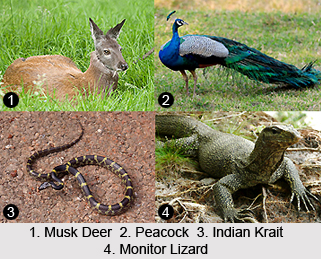
 Royal Bengal tiger is undoubtedly the most important species among all the mammals found in West Bengal eco parks. Sunderbans Tiger Reserve is mainly concentrated on preserving tigers and the number of other mammal species found in the other eco parks is also quite remarkable. The mammals in the parks include endangered, critically endangered, threatened and endemic species. Some of the other most important and notable mammal species found in the West Bengal eco parks include the leopard, serow, pangolin, elephant, chinkara, takin, red panda, barking deer, one horned rhinoceros, bison, brahmani duck, giant squirrel, gaur, chital, clouded leopard and wild buffaloes. West Bengal eco parks preserve reptile species like snakes, tortoises, crocodiles and turtles. The collection of snake species in West Bengal is considered to be one of the richest in India.
Avifauna of West Bengal Eco Parks
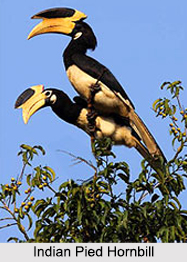
The number of bird species found in West Bengal eco parks is even richer. There are both resident and migratory birds in the eco parks. Some of the bird species are considered to be endangered, critically endangered, threatened and endemic species and receive special attention. Some of the most common bird species in West Bengal eco parks include the woodpeckers, sunbirds, fly catchers, minivets, pheasants, drongos, Indian pied hornbill, golden backed woodpecker, brown winged kingfisher, grey headed lapwing, white swan, swamp patridge and pallas fish eagle.
Tourism in West Bengal Eco Parks
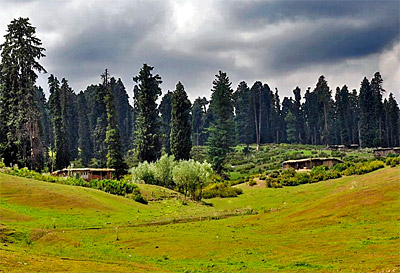
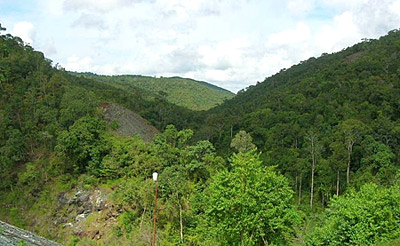
West Bengal eco parks are playing a vital role in the tourism sector of West Bengal, by attracting large number of tourists, every year. The tourists mainly come to see the Royal Bengal Tiger that is absent in almost any other part of the world. Tourists can also experience the scenic beauty around. Thus, the management bodies of some of the eco parks provide facilities like accommodation, boating, elephant riding, horse riding and jeep safari.