Introduction
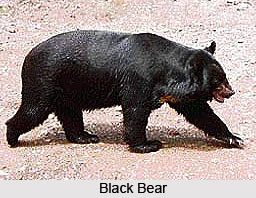
Shilli Wildlife Sanctuary is considered to be one of the most picturesque locales of Himachal Pradesh which is located in Solan District. It is the smallest wildlife sanctuary in Himachal Pradesh, situated at the foothills of Himalayas. Shilli Wildlife Sanctuary was set up in 1963 and was aimed at conserving the endangered animals of that time, particularly the Himalayan Black Bear. However, its authorities soon felt the area enclosed by it was not enough to accommodate all the endangered species. On 27th March, 1974, the area of the sanctuary was expanded by merging territories from the erstwhile princely states of Baghal, Baghat, and parts of the erstwhile Punjab state. Thereafter, the area of Shilli Wildlife Sanctuary was expanded to nearly 2.14 square kilometres. There are different types of flora and fauna, which lure wildlife lovers to this wildlife sanctuary.
Location of Shilli Wildlife Sanctuary
Located at an elevation of nearly 2,000 metres above sea
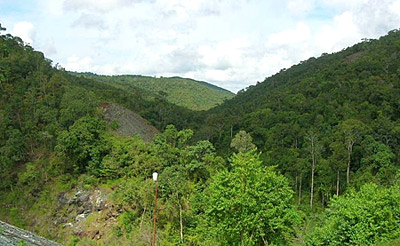
level, Shilli Wildlife Sanctuary stretches across vast expanses of lush green
forests and rugged terrain in the lower Himalayas.
Situated within the Shivalik
range between Kalka and Shimla,
the sanctuary offers a serene natural retreat rich in scenic beauty and
biodiversity. Its proximity to the quaint town of Solan also makes it easily
accessible for visitors exploring the region.
Flora of Shilli Wildlife Sanctuary
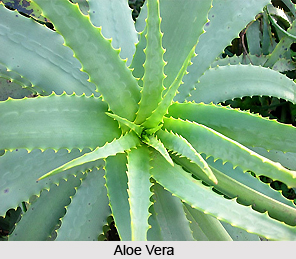
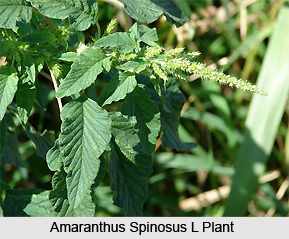
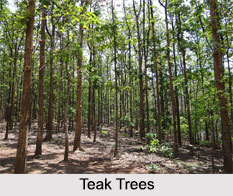
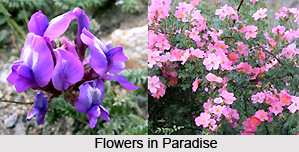
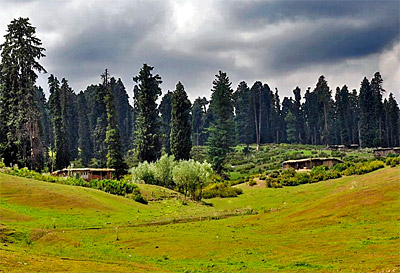
Tall Deodar and Fir trees are mainly found in the region of Shilli Wildlife Sanctuary. The entire forest is protected by a fence. In the lower areas of Shilli Wildlife Sanctuary, the inland and outland tourists often come across numerous other species of Fir pine and Deodar, plants that grow at higher altitudes. Apart from these, various types of medicinal plants also thrive here. A botanical research organization has been established in the Shilli Wildlife Sanctuary which conducts studies on various species of medicinal herbs and shrubs. Apart from Deodar and Fir pine, a large portion of Shilli Wildlife Sanctuary is also covered with Ban Oak and Deciduous Forests.

Fauna of Shilli Wildlife Sanctuary
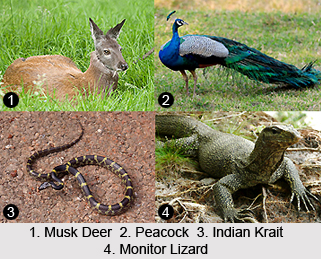
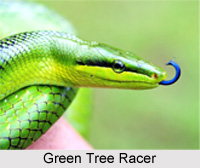
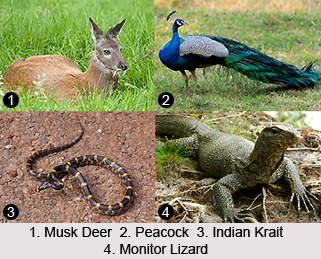
Besides the Himalayan Black Bear, Shilli Wildlife Sanctuary is home to various other wildlife animals including Brown Bear, Leopard, Jackal, Hyena, Musk Deer, Barking Deer, Indian Bear, Wild boar, and many others. Different species of birds such as Woodpecker, Peacock, wild Duck, Parrot, Myna, Pheasant and Great Hornbill are found here as they survive well in high altitude climate. Wildlife enthusiasts might also catch sight of reptiles like Monitor Lizard, Indian Cobra, Python, Indian Krait, Flying Squirrel, and others. It is believed that this sanctuary is amongst the calmest sanctuaries in the entire country.
Tourism in Shilli Wildlife Sanctuary
Shilli Wildlife Sanctuary has emerged as a favored destination for nature enthusiasts and wildlife lovers because of its rich biodiversity and scenic Himalayan setting. Surrounded by dense forests and picturesque landscapes, the sanctuary attracts visitors seeking opportunities for trekking, bird watching, and wildlife exploration. Ongoing conservation efforts are focused on preserving the region’s diverse flora and fauna, further enhancing its ecological significance.
The sanctuary also serves as a gateway to several nearby
attractions. Visitors often explore destinations such as Kasauli, known for its
quaint colonial charm, the culturally significant Mohan Shakti Heritage Park,
the serene hill town of Chail,
and the historic Dagshai Museum. The most suitable time to visit Shilli
Wildlife Sanctuary is between April and November, when the weather remains
pleasant and conditions are ideal for photography, sightseeing, and wildlife
spotting.
Visiting Information
Shimla and Chandigarh airports are the closest airports to reach Shilli Wildlife Sanctuary which are based at a distance of 28.5 kms and 63.3 kms respectively. The nearest railway station is Solan which can be easily approached from Kalka. And the nearest attraction is Solan District, which was the princely state during British colonial times.