
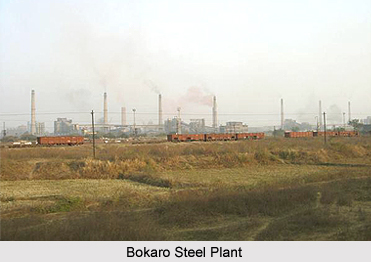
 Bokaro District is an administrative district of Jharkhand. This district was created in the year 1991 by carving out one sub-division consisting of two blocks from Dhanbad District and six blocks from Giridih District. The district headquarters, the Bokaro Steel City is having latitude of 23.29 and longitude of 86.09. Bokaro District has a geographical area of 2861 sq km. The average altitude of the district is 210 meters from mean sea level. Bokaro District is situated in the Chota Nagpur Plateau, the vast rolling topography of the city is typical, strewn by graded valleys and winding streams.
Bokaro District
Bokaro District is one of the 24 districts of Jharkhand, with Bokaro Steel City as its headquarters. This district was formed in the year 1991. Bokaro Steel Plant is located in this district of Jharkhand.
Introduction
Bokaro District is an administrative district of Jharkhand. This district was created in the year 1991 by carving out one sub-division consisting of two blocks from Dhanbad District and six blocks from Giridih District. The district headquarters, the Bokaro Steel City is having latitude of 23.29 and longitude of 86.09. Bokaro District has a geographical area of 2861 sq km. The average altitude of the district is 210 meters from mean sea level. Bokaro District is situated in the Chota Nagpur Plateau, the vast rolling topography of the city is typical, strewn by graded valleys and winding streams.Geography of Bokaro District
The district has a network of valleys and sub-valleys. Geography of Bokaro District includes Damodar River and its tributaries. They constitute an important source of water for the industries and townships, which have proliferated on the riverbanks in the last few decades. The gentle valley is interspersed by some hills and hillocks, which make it a magnificent landscape to view. Bokaro Steel City has a large steel plant managed by the Steel Authority of India Limited and several other medium and small-scale industries. The district is categorized into three natural formations and these are Central plateau, Lower plateau and Damodar River, Ganga River and Tenughat Valley. The district falls in tropic monsoon region.
Demography of Bokaro District
According to the Population Census in the year 2011, Bokaro District had population of 2,061,918 of which male and female were 1,076,270 and 985,648 respectively. The population of the Bokaro District constituted 6.25 percent of total population of Jharkhand. The average literacy rate of Bokaro in 2011 was 73.48 percent. If things are looked out at gender wise, the male and female literacy were 84.50 and 61.46 respectively. The total literates in Bokaro District were 1,306,155 of which male and female were 783,769 and 522,427 respectively.
Culture of Bokaro District
Culture of Bokaro District reflects the rich and indigenous traditions and beliefs of the people. Sarhul, Karma, Sohrai, Badna, Tusu, Id, Christmas, Holi, Dussehra, etc. are celebrated in the district. The different languages used by the people of this district are Santhali language, Mundari, Kurukh language, Khortha, Hindi language, Urdu language and Bengali language. The festivals are celebrated with immense enthusiasm and positive energy. Songs and dance forms are an integral part of the celebration of these festivals. The popular musical instruments used here are Bansuri, Arbansi, Shehnai, Madanvari, Singa, Sankh Mandar, Dhol, Dhak, Dhamsa, Nagara, Damama, Karha, Tasa, Jurinagra, Visamdhanki, Thapchanchu, Kartal, Jhanjh, Thala, Manjhira and Ghanta. The popular folk music of the district includes Akhariya, Domkach, Dohari, Domkach, Janani, Jhumar, Mardana, Faguwa, Udasi, Pawas, Jhumta and Pratkali.
Tourism in Bokaro District
 There are several Tourist Places in Bokaro district, which is amongst the 24 districts of the Indian State of Jharkhand. Bokaro district has a labyrinth of valleys and sub-valleys crafted by the Damodar River and its tributaries. These comprise a vital source of water for the various industries and habitats that have emerged on its banks in the last few decades. A number of hills and hillocks ascend above the quaint valley that provides a panoramic view of the stunning landscape. Tourist Places in Bokaro District consists of a number of places of interest such as Bokaro Steel City, Garga Dam and Parasnath Hills, Bokaro Ispat Pustakalaya, City Park, Jawaharlal Nehru Biological Park, Chandrapura and TenuGhat. Tourism in Bokaro District means a memorable experience that is filled with enjoyment and serenity.
Bokaro Steel City : Bokaro Steel City is amongst the major tourist destinations in the state. Conceived and planned in the year 1959, the Bokaro Steel Plant contains major coalfields that are placed nearby. The employees of the plant are provided accommodation and other social facilities. Bokaro Steel City is systematic and properly planned, and has wide lanes and roads spread through out the city. A good sewage system, adequate electric supply and the lush green environment are other features of the region. Bokaro is most popular for its Steel Plant that is the largest in Asia.
Garga Dam : Garga Dam is located near the picturesque surroundings of Bokaro Steel City and is around 12 km away from city centre. The Dam is a well known picnic spot for the citizens of Bokaro. The region is pregnant with abundant natural vegetation and variety of marine and aquatic life that is present in the dam. Various School excursions and biological expeditions are conducted in Garga Dam. Garga dam was originally built for the use of steel plant and for the supply of water to the locals.
City Centre : The City Center is the major shopping zone of Bokaro city. The area has improved manifold in the recent times. The market consists of adequate parking space and the layout of the roads is moderately wide. Almost all major Indian banks are present in the region. There are several quality shops and showrooms in the city for branded electronics, clothing, and other items. Lately a number of hospitals, small clinics and coaching institutes have mushroomed in the market area. The rate of growth represents the demand these services in the city.
Bokaro Ispat Pustakalaya :
 Bokaro Ispat Pustakalaya, managed by the Bokaro Steel Plant, is a library that features a collection of more than 40,000 books and manuscripts. The library meets the reading requirements of the people in the township. Situated near the Bokaro Hotel, visitors can reach the attraction by taxis or auto rickshaws which are conveniently available in various zones of the city.
City Park : Bokaro houses a nicely maintained City Park that consists of an artificial lake. Lately, three man-made islands, designed in Japanese likeness, have also established in the lake. The annual Basant Mela that takes place in February is also conducted in the park. During Chhatth puja, several devotees flock to the southern area of the park. There is a small toy train in City Park that runs in the initial months every year.
Siwandih : Siwandih is a suburb that accommodates several Bihari migrants who live and work in the Steel plant. The region is located near the Bokaro Railway Station in western part of Bokaro. Famous locations in Siwandih are Makhdumpur, Bansgora, Millat nager Islampur and Haisabatu.
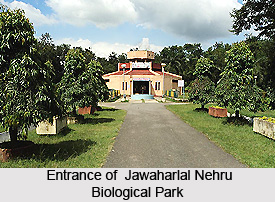
Jawaharlal Nehru Biological Park : The biggest zoological garden in Jharkhand, Jawaharlal Nehru Biological Park, was constructed in the late 1980s. The park has animals and birds from various parts of the world, with the predatory cats being the major attractions. Jawaharlal Nehru Biological Park has been able to successfully breed Royal Bengal Tigers, White Tigers, and the Asiatic Lion, multiple times, within a short duration. Boating facility is also allowed in the artificial lake present in the park.
Chas : Chas was the administrative headquarters of Bokaro when Bokaro was a part of district of Dhanbad. Later, Bokaro itself achieved the status of a district and headquarters was moved to the Steel Township. In Chas, visitors can go to the popular destinations like Joda Mandir, Bhootnath Mandir and Check Post.
Gayatri Mandir : The temple is renowned for the Navmi Puja that is held here. Khichri is provided as the prasad on this occasion. Devotees visit the temple in morning and evening for regular prayers.
Ram Mandir : Ram Mandir is devoted to Lord Rama and has other smaller temples. Amongst the other gods and goddesses that are housed here, are Radha Krishna Mandir, Hanuman Mandir, Durga Mandir, Shiva Parivar Mandir, Surya Mandir, Lord Venkateshwar Mandir, Kali Mandir, Sheetala Mandir and Shiva Mandir. Ram Mandir was established in the year 1967-68. The temple contains a rich Dharmik library and Rishi Niwas.
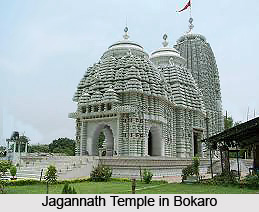
Apart from these, there are other places of interest in Bokaro worth mentioning, such as, Aaiyappa Mandir, in sector 5, Kali Mandir - Located in sector 8, Jagannath Temple, Located in Sector 4, Noori Masjid ,situated in sector 4, Mohan Kumar Mangalam Stadium, Chira Chas, Ghaus Nagar, Dhundibag, Sector-9 market, Jainamore, Pupunki Ashram, Gawai Dam, Tenughat and Chandrapura.
Recently updated articles in States of India
Bandare Waterfalls, Meghalaya
Bandare Waterfalls in South Garo Hills, Meghalaya, is a secluded natural attraction surrounded by dense subtropical forests and rugged mountain terrai...
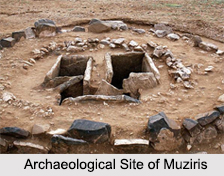
History of Thissur District
Early History of Thissur District explains flourishing of the port cities. Now these port cities are transformed into archaeological sites.
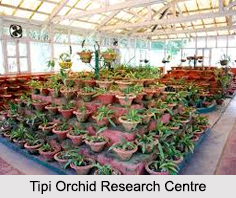
Tippi Orchid Research Centre, Arunachal Pradesh
Tippi Orchid Research Centre in Arunachal Pradesh is renowned for its rich collection of exotic and endangered orchids. Surrounded by lush rainforest...
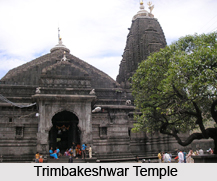
Tourism in Nashik District
Pilgrimage tourism in Nashik district involves visiting the various places of Hindu and Jain worship located here. Some of the holiest sites for Hind...
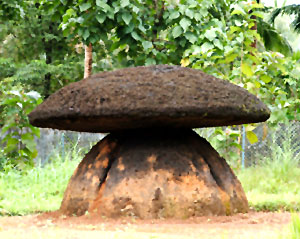
Mangadu, Kerala
Mangadu in Kerala’s Kollam district is a significant megalithic site known for its urn burials, cist burials, menhirs, and stone circles. Excavations...
Related articles in States of India
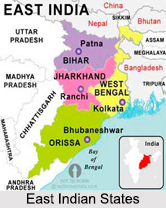
East Indian States
East Indian States comprises of Bihar, Jharkhand, West Bengal, Odisha and also the Union Territory of Andaman and Nicobar Islands. It defines the cult...
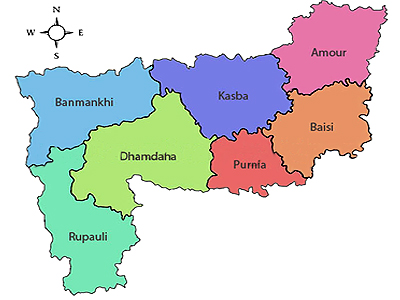
Purnia District in Bihar
Purnia District is located in Bihar and extends from River Ganga to Nepal. The district has a rich Hindu history and glorious past.
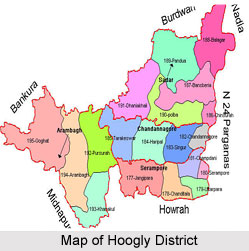
Hooghly district
Hooghly District along the bank of the river Hooghly is one of the principal trading ports of West Bengal.
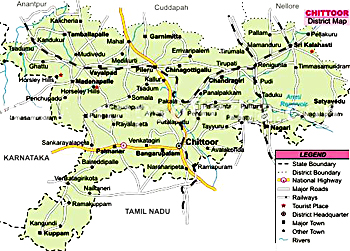
Geography Of Chittoor District
Geography of Chittoor district is spread along the topography of the land which is divided into two natural divisions; Chittoor has a dry and healthy...
Districts of West Bihar
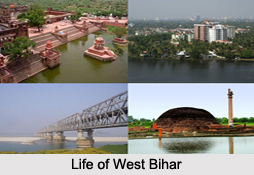
Districts of West Bihar is comprised of medieval monuments that were built by the different governors of Mughal era.