 The Lahore Conspiracy Case started on 26th April 1915, listing 82 individuals as criminated, including Rash Behari Bose (one of the 17 absconders), and continued up to 13th September of the same year. The principal charge against them was that they waged war against the British Empire and wanted to overthrow the British government in India. They were convicted of the Pan Indian rebellion called the Ghadar Mutiny which was formed against the British Raj during World War I.
Intelligence about the threat of the mutiny led to a number of important war- time measures introduced in India, including the passages of Ingress into India Ordinance, 1914, the Foreigners act 1914, and the Defence of India Act 1915. The conspiracy was followed by the trials of First Lahore Conspiracy and the Benares Conspiracy, which saw death sentences awarded to a number of Indian revolutionaries, and exile to a number of others.
Overview of Lahore Conspiracy Case 1915
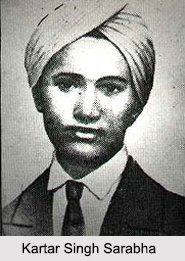
The trials for the Lahore Conspiracy case of 1915 were held in Lahore, where a special tribunal was constituted under the Defence of India Act 1915. A total 291 conspirators were put on trial, out of which 42 were sentenced to die including Kartar Singh Sarabha, 114 were sent to the Cellular Jail and 93 were given varying terms of punishment. The remaining 42 defendants in the trial were acquitted.
Following the end of the trial, diplomatic efforts were made like the recommendation of the Rowlatt Act to destroy the Indian revolutionary movement. The after effects of the Lahore Conspiracy Case also saw the initiation of the Hindu German Conspiracy trial in the United States. Another repercussion of the Lahore trial was the Jallianwala Bagh massacre, which was done fearing a second Ghadrite uprising in Punjab in 1919.
This article is a stub. You can enrich by adding more information to it. Send your Write Up to content@indianetzone.com.