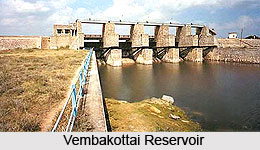
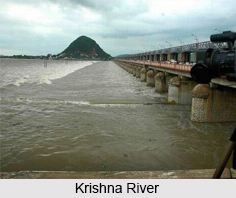
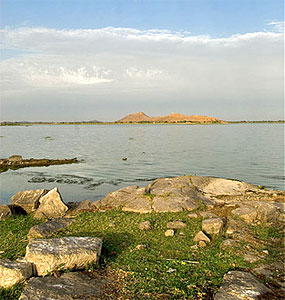
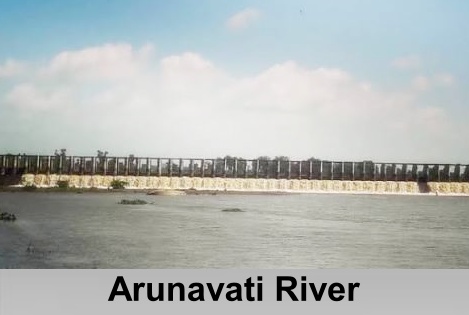
Tank irrigation is defined as an artificial means applied for improving the cultivation in India. Tank is a reservoir of any specific size. Tanks are an integral part of the ancient tradition of yielding and storing the water from rainfall and from streams or rivers. Water is stored for later use mainly in agriculture. Basically tanks are constructed across slopes for collecting and preserving water by utilizing the advantage of local mountains as well. Specifically in the southern region of the country, usage of tank irrigation is critical. As in some parts of southern India, water supply replacement is entirely reliant on a cycle of dry seasons and irregular monsoon seasons.
Further, in the uneven and comparatively stony plateau of Peninsular India, where the range of annual rainfall is mostly seasonal, tank irrigation method has become highly popular. In various parts of the country, people have restored to tank irrigation. In this procedure, a small dam that is constructed across a stream impounds water that is led through slender channels to the cultivated lands. Several parts of states like Madhya Pradesh, Tamil Nadu, Orissa and Andhra Pradesh have maximum portion of lands under tank irrigation as compared to well or canal irrigation. The main reason behind the high usage of tank irrigation in these states is that canal and well irrigation is possible only in large alluvial river valley plains.
In other parts of the plateau of peninsular India canals and wells are difficult to excavate because of the hard rock below the thin layer of the soil. That is why, in a huge part of the Indian plateau, no other method but tank irrigation is apposite. However, tank irrigation is less economical than other methods of irrigation. There are some major drawbacks of tank irrigation in India and these are mainly - firstly, evaporation of water is a bit rapid because of the large expanse of shallow water of the tanks, secondly, tanks occupy a huge area of the cultivable field and thirdly, tank irrigation do not ensure perennial supply of water. Moreover, at times it also happens that the tanks go dry during the hot summer season when it is urgently required. Thus, by considering the large area that is made useless by the tanks and the great amount of water loss by evaporation, the procedure of tank irrigation is moderately costlier.