
Suvela is a mythical Mountain. In the Hindu Mythology, it is mentioned that Suvela is a Mountain in Lanka. On the rugged top of this mountain, Lord Rama encamped his army when he invaded the island.
Role of Suvela Mountain in Ramayana
The story of Suvela Mountain in Ramayana goes like this that Rama expresses his desire to Vibhishana and Sugreeva to halt on Suvela mountain for a night before envisaging the City of Lanka. He along with Lakshmana, Vibhishana, Sugreeva and his army climb the mountain and see the beauty of Lanka. The entire team of Rama halts on that mountain-resort for the night.
This is also the mountain from where Sugreeva Jumps to Attack Ravana, the lord of demons. As mentioned in the earlier paragraph that Rama together with Sugreeva and others halt on Suvela Mountain. There, above a gate-way of the City, stands Ravana. Noticing Ravana, Sugreeva jumps to the top of the gate, bounces over on Ravana, pulls his brightly coloured crown from his head and throws it away on the ground. Thereafter, a long fight between Ravana and Sugreeva without any fatigue is carried on. They fight endlessly in different postures. Eventually, after reducing Ravana to exhaustion, Sugreeva returns and rejoins his monkey-troops.
This article is a stub. You can enrich by adding more information to it. Send your Write Up to content@indianetzone.com
Suvela
Suvela is a mythical mountain said to be situated at Lanka.
Recently updated articles in Religion in India
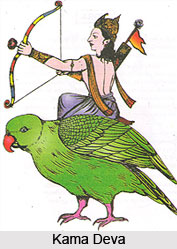
Kusumayudha
Kusumayudha is a name of Kamadeva, the Hindu God of Love. Depicted with a sugarcane bow and flower-tipped arrows, he represents attraction and longing...

Bhoyar Caste
Bhoyar Caste is largely found in the Central Provinces of the country. Traditional occupation of Bhoyars is agriculture. They are good cultivators and...
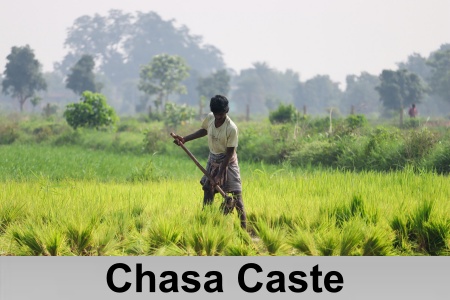
Chasa Caste
Chasa caste is a prominent agrarian community native to Odisha. Traditionally associated with cultivation and farming, Chasas have historically played...
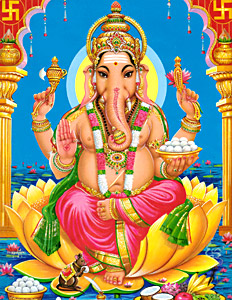
Vigneswara, A Form of Lord Ganesha
Lord Vigneswara is another form of Lord Ganesha or Vinayaka, prominently worshipped as the God of intelligence and good luck in the Indian subcontinen...
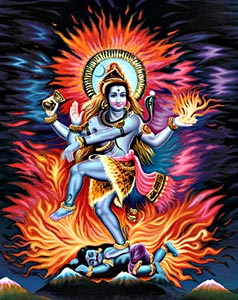
Maheswara
Maheswara, meaning “the Great Lord,” is a revered name of Lord Shiva in Hindu tradition. It represents Shiva’s supreme authority over creation, preser...
Related articles in Religion in India
Religion in Indus Valley Civilization
Religion in Indus Valley Civilisation included Hinduism, Buddhism and Jainism. Details about the religion in Indus Valley Civilization have been gathe...
Iyer Brahmin
Iyer Brahmins are originally from Tamil Nadu of South India. They are known for their adherence to Advaita philosophy and Smarta traditions. Tradition...
Kumbhakar / Kumhar Caste
Kumbhakar or Kumhar caste is a traditional artisan community in India known for pottery making. Derived from Sanskrit word Kumbhakar, meaning potter,...

Gujjars in Mughal Era
Gujjars in the Mughal era enjoyed great power. Further their power increased with the decline of Aurangzeb, Mughal emperor.
Gotra in Hinduism
In Hinduism, gotra refers to a lineage system tracing descent from ancient sages, primarily through the paternal line. Originating from Vedic traditio...