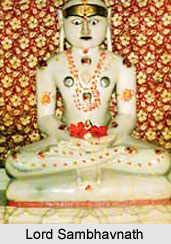
 Shri Kojara Teerth located in Rajasthan is a Jain pilgrimage centre. The teerth kshetra is situated in the center of the village, Kojara. The temple is dedicated to Lord Sambhavnath, the third Jain Tirthankara.
History of Shri Kojara Teerth
According to history Shri Kojara Teerth dates back to the ancient times. This teerth is believed to belong to the time prior to twelfth century. As per reference earlier the idol of the temple was Lord Parshvanatha. Since its construction thje temple has been repaired and renovated several times. Many inscriptions have been found here in the temple that sates that Rao Rana was a fervent believer of Jain religion. He also contributed for the repair and renovation of the temple that was done in the year 1224 of the Vikram Samvat Era. The idol of Lord Sambhavnath is believed to possess miraculous powers. Thousands of Jains and non Jains from far off places visit the temple to offer their prayers. It is believed that if prayed with all devotion the Lord fulfils the wishes of the pilgrims.
Temple of Shri Kojara Teerth
The temple of Shri Kojara Teerth houses the idol of Lord Sambhavnath. The Swetambara temple has been magnificently decorated with intricate artistic designs. The creative temple work boast about the skills of the craftsmen. The walls and pillars of the temple are adorned with specimens of ancient art and paintings. The idol of the Lord is 75 cm in height and is white in colour. It is seated in a padmasana posture. The idol has been beautifully carved from a single stone and looks very appealing. The smiling face of the Lord looks very calm and serene.
The Temple of Sri Kojara Teerth organises many annual gatherings and functions. There are provisions for dharamshalas or rest houses for the pilgrims. These are well equipped with all modern facilities. Apart from this there are Upashrays, an Ayambilshala and a Jnanabhandar. The teerth is situated amidst beautiful natural surroundings. The temple is enclosed by scenic beauty that mesmerises and fascinates the pilgrims. The calm and tranquil environment and the surrounding greenery make it a suitable place for religious activities. The kshetra is well connected to road, rail and air. Taxi services and bus services are easily available here. The nearest railway station is located at Sirohi that is at a distance of 8 kilometres.