
The Princely State of Boda, also known as Boda-no-ness or Beda-no-ness, was one of the former princely states of India. It was managed and supervised by native shareholders under the meandering command of the British authorities. The princely state was under the indirect control of the British Empire in India. The taluka of Boda was situated in the Chok Datha Thana and the territory consisted of only a single village. The territory lied in the southeastern Kathiawar. Chok Datha Thana, which covered a total area of 115 sq miles and comprised of a total population of 24,782 in the year 1931. The region included around 23 estates and almost 22 estates of them were situated in a compacted area near Chok. The territory contained a virtual enclave in southern Bhavnagar, except a general border with Palitana in the north. The remaining taluka of Datha was located around 10 miles from the other states. It was completely surrounded by the princely state of Bhavnagar.
The Princely State of Boda or Boda-no-ness was under the administrative control of the Baroda Agency, which was incorporated as a part of the Western India States Agency. Later the territory was merged with the state of Gujarat. The state was also a part of the Eastern Kathiawar Agency and the Chok Datha Thana as well.
History of Princely State of Boda
The princely state of Boda-no-ness was claimed by more than one native prince, who were formally addressed as shareholders. There were many estateholders, including bhagdars and talukdars, in the taluka. The region comprised of around 909 estateholders in the thana and almost all of them were Sarvaiya Rajputs. Some of the shareholders were low caste Hindus as well. The Princely State of Boda was a non- jurisdictionary native state. The estate holders of the region were primarily illiterate or had limited education and were tremendously impoverished and deprived. Most of them were shepherds or cultivators. According to the Attachment Scheme of 1943, the princely state of Boda-no-ness was attached to the princely state of Bhavanagar. The territory paid annual tribute to the princely state of Jungadh and the princely state of Baroda.
Accession of Princely State of Boda
The native shareholders of the princely state of Boda, also known as Boda-no-ness or Beda-no-ness, acceded the territory to the newly independent Union of India after the political withdrawal of the British Government of India from the country on 15th August 1947. After the country was divided between India and Pakistan, the native rulers were given the choice of acceding to either the Dominion of India or the Dominion of Pakistan. The estate holders of the state decided to merge with the Republic of India.
Princely State of Boda
Princely State of Boda or Boda-no-ness was situated in the Chok Datha Thana and the territory consisted of only a single village. It covered a total area of 115 sq miles.
Recently updated articles in History of India
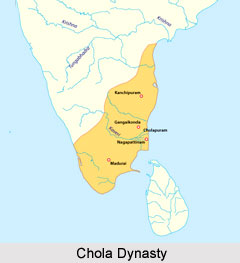
Chola Dynasty
Chola Dynasty is a Tamil dynasty and had longest duration of ruling in parts of South India. Chola dynasty had ruled South India successfully for a ex...
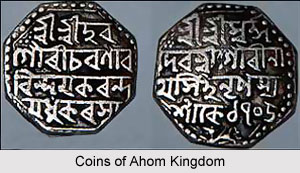
Suhungmung
Suhungmung was the fourteenth ruler of the Ahom dynasty who ruled from the period 1497 to 1539 AD. His reign was significant in terms of expansion of...
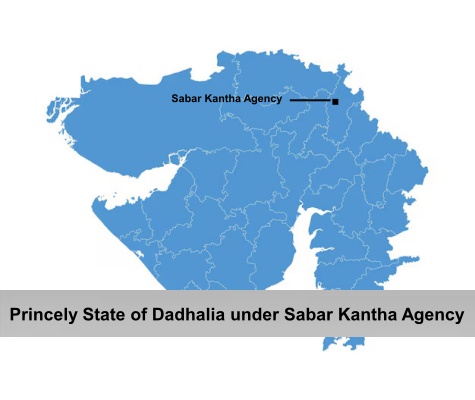
Princely State of Dadhalia
Princely State of Dadhalia was located in the present state of Gujarat. The state covered a total area of 28 sq miles and comprised of 15 villages. Th...
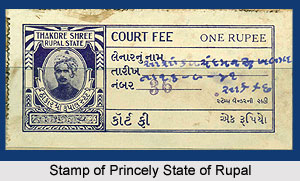
Princely State of Rupal
Princely State of Rupal was a part of the Baroda Agency, a sub division of Western India States Agency. It was under the administrative control of the...
Archaeological Sites of West Bengal
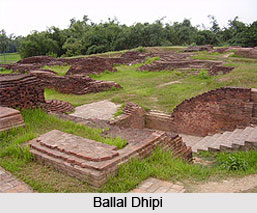
Archaeological sites of West Bengal reveal several aspects of ancient India. Excavations by the Archaeological Survey of India have furnished artefact...
Related articles in History of India

Mughal Architecture during Babur
Mughal architecture during Babur marked the foundation of a new architectural era in India, blending Timurid, Persian, and local influences. His reign...

Architecture during Sayyid and Lodi Dynasty
Architectures during the Sayyid and Lodi dynasty were mainly the tombs and monuments for the dead rulers. It were carefully designed and meticulously...

Brahmanical Sources of Ancient History
Brahmanical Sources of ancient history are contained in the Vedas and they constitute one of the most important literary sources of information about...

Coins of Chola Empire
Coins of Chola Empire were issued in gold, silver and copper and carried the Chola emblem.

Coins of Khilji Dynasty
Coins of Khilji Dynasty had an influential feature that was followed by the other dynasties.