
Peasant Movement and Uprisings in India is steeped in history and is pregnant with several rebellions that have taken place in numerous regions within the country. Peasant movement and Uprisings in India occurred mostly during the British rule, as the economic policies devastated traditional ways of livelihood, and resulted in seizure of land and increase in debt of the peasants and farmers. The exploitations of British colonialism were borne by the Indian peasants adversely. However the peasants stood their ground and fought against the British at every single step. There was a change in the resistance behaviour of the peasants, because they started fighting for their demands and the unjust done to them. This behaviour became more prominent and in action after 1858.
Peasant Movement for Indigo Cultivation
One of the most popular events of peasant revolt was the conflict in indigo cultivation in Bengal. During 1859-60, the peasants were forced to cultivate indigo and sell them at cheaper rates to the British. The cultivation of indigo would make their lands infertile and bare forever. Upon refusal, the peasants were tortured and beaten, ruthlessly and brutally, so as to compel them to cultivate indigo. Along with the support of intelligentsia of Bengal, the peasants revolted and refused from cultivating indigo, as a result of their frustration and anger. The government was compelled to appoint a commission for investigation and mitigation of the system. But still, the conflict could not be solved and the oppression of British and resistance of peasants continued.
Peasant Movements in Bihar and Bengal
The indigo peasants of Bihar revolted in large scale in Darbhanga and Champaran in 1866-68. Once again unrest broke out amidst peasants in 1870`s in East Bengal. The powerful and cunning Zamindars freely took recourse to ejection, harassment, illegal seizure of property, including crops and chattels and extortions, and large-scale use of force to increase rents and to prevent the peasants from acquiring occupancy rights. The Bengal peasants also had a long tradition of resistance stretching back to 1782, when the peasants of North Bengal had rebelled against the East India Company.
From 1872 to 1876, the peasants united and formed a union to impose a No Rent policy and fought against the Zamindars and their agents. It was stopped only when the government suppressed the peasants` acts of violence. This created a situation of uneasiness and unrest amongst the peasants and it ended when the government promised to take some action on the Zamindari oppression.
Peasant Movements in Maharashtra
A major agrarian unrest took place in Pune and Ahmednagar -districts of Maharashtra in 1875. In Maharashtra, the British government had directly settled the revenue with the peasants. At the same time, it increased the rates of revenue so high that it was impossible to pay the revenue and they had no option left other than borrowing the money from the moneylenders who charged high interest rates. More and more land got mortgaged and sold out to the moneylenders, who gave utmost efforts to achieve the land at legal and illegal terms. Peasant patience got exhausted by the end of the year1875 and huge agrarian riots took place. Police failed in meeting the fury of peasants` resistance which was suppressed only when the whole military force at Pune took the field against them. Once again the modern intelligentsia of Maharashtra supported the peasants` demands. But it pointed out that the source of misery of peasants was high revenue rates and government`s incapabilities to provide loan at cheaper rates.
Peasant Movements in Kerala and Assam
Peasant unrest also broke out in several other parts of country such as North Kerala and Assam. The situation provoked in Assam because of high land revenue assessment. The peasants refused to pay enhanced revenue demands to the landlords and fought against the land revenue collectors to seize their lands. The situation worsened and Police had to mobilise their network to suppress the peasants. Many peasants were killed mercilessly and brutally in the riots. These movements or riots of peasants did not create any threat to the British rule, but proved that the Indian peasants` reactions were instant and spontaneous to every situation. The Peasants always resisted the efforts of the British to get control and power in the name of maintaining law and order. Thus, in practicality, the illiterate and ignorant people performed acts of appreciation against the menace of the increasing British colonialism. Their faith, their courage and heroism, their willingness to make immense sacrifices were no match against the imperialist power armed with the latest weapons and the resources of a worldwide empire.
The popular movements and rebellions of the 19th century did, however, reveal the immense sources of resistance to imperialism that lay dormant among the Indian people. Later by the 1930s, the condition of the peasants started to improve all over the nation due to gradual political and economic developments. This became possible due to the various efforts undertaken by the Indian National Congress during that period.
Peasant Movement and Uprisings in India
Peasant movement and uprisings in India occurred in several places during the Indian freedom Struggle, due to the exploitation of the British.
Recently updated articles in History of India
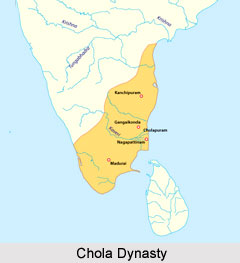
Chola Dynasty
Chola Dynasty is a Tamil dynasty and had longest duration of ruling in parts of South India. Chola dynasty had ruled South India successfully for a ex...
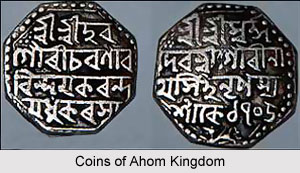
Suhungmung
Suhungmung was the fourteenth ruler of the Ahom dynasty who ruled from the period 1497 to 1539 AD. His reign was significant in terms of expansion of...
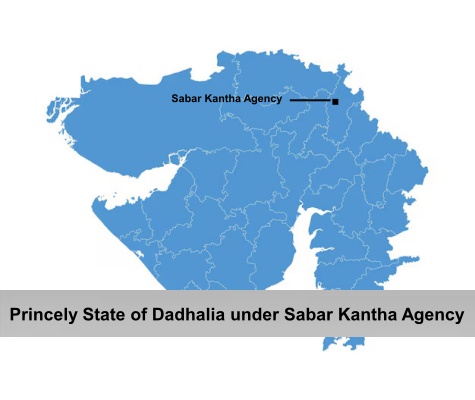
Princely State of Dadhalia
Princely State of Dadhalia was located in the present state of Gujarat. The state covered a total area of 28 sq miles and comprised of 15 villages. Th...
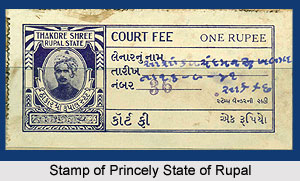
Princely State of Rupal
Princely State of Rupal was a part of the Baroda Agency, a sub division of Western India States Agency. It was under the administrative control of the...
Archaeological Sites of West Bengal
Archaeological sites of West Bengal reveal several aspects of ancient India. Excavations by the Archaeological Survey of India have furnished artefact...
Related articles in History of India

Mughal Architecture during Babur
Mughal architecture during Babur marked the foundation of a new architectural era in India, blending Timurid, Persian, and local influences. His reign...

Architecture during Sayyid and Lodi Dynasty
Architectures during the Sayyid and Lodi dynasty were mainly the tombs and monuments for the dead rulers. It were carefully designed and meticulously...

Brahmanical Sources of Ancient History
Brahmanical Sources of ancient history are contained in the Vedas and they constitute one of the most important literary sources of information about...

Coins of Chola Empire
Coins of Chola Empire were issued in gold, silver and copper and carried the Chola emblem.

Coins of Khilji Dynasty
Coins of Khilji Dynasty had an influential feature that was followed by the other dynasties.