
Maulana Fazl Ahmad Khan, also known as Hujur Maharaj, was a Sufi saint of the Naqshbandi Order. He was sixth in the line of succession from Mirza Zanzana in the Naqshbandi Order. Through his spiritual awareness and liberal religious approach, he made the practice of the Sufi way extremely simple. He was able to bestow the priceless spiritual knowledge of Naqshbandi Order to all, including non-Muslims, without conversion i.e. without accepting Islam. He distinguished the religion (the outer or the material form of religion) from spirituality and held that for gaining spirituality religion is no bar.
Hujur Maharaj was born in 1857 at Raipur in Farrukhabad district, Uttar Pradesh. His father was Shaikh Gulam Hussain, who himself was a Master in the Order of the great Sufi Saint Maulana Waliuddin of Kashmir. His mother too had been initiated into the Naqshbandi order of Sufism. Hujur Maharaj`s parents were great saints and true human beings. It is, therefore, no wonder that a person like Maulana Fazl Ahmad Khan took birth in their family, which ushered in a new era of religious and communal harmony and brought about a spiritual revolution. Hujur Maharaj spent most of his time in Raipur except for a few years when he served in Farrukhabad. He lived a very simple and pious life. He was very kind hearted and had no prejudice against any religion or caste. Persons from all classes and belonging to all religions including Hindu, Muslim and Christians used to visit him.
Hujur Maharaj was among the first people who spread the Sufi way of life and spiritual practice amongst the Hindus without any discrimination. He was completely free from religious prejudices and never participated in any religious debates or disputes, nor did he ever criticise any religion. If someone criticized any religion in front of him, he would leave that place. He pronounced that religions are many but their essence is one i.e. to gain spirituality. One should follow the dictates of one`s religion but should not be guided by religious prejudices. The social or religious rituals do not bind spiritual life. If any Hindu suggested that he would convert and adopt Islam, he used to feel very upset. He disapproved of conversion, rejecting it outright. He used to say that everyone must observe the discipline of one`s religion. Among the many disciples that he accepted, he declared Mahatma Ram Chandraji as his successor. This is a unique example of a Muslim Sufi giving away his entire spiritual treasure to a Hindu without conversion.
Hujur Maharaj did not accept offerings or allow anyone to touch his feet. Instead he himself often comforted his disciples by looking after their requirements so much so that many a times he would press the legs of his tired disciples. Often for days together his family lived on scanty food or with no food at all. Even then if he received some money from someone, he would distribute it to others. Hujur Maharaj had a strange habit. Even when he had some money with him, he used to take loan from others. Once, one of the Satsangis asked him the reason for his doing so. Hujur Maharaj answered, `By doing so I not only remain grateful to the person from whom I have taken the loan but it also helps me in not having a feeling of pride of not being a debtor.`
Hujur Maharaj spent most of his time in meditation. He proceeded to his heavenly abode on 30 November 1907. His mausoleum is situated in Raipur.
Maulana Fazl Ahmad Khan
Maulana Fazl Ahmad Khan, a Sufi Saint of the Naqshbandi Order, adopted a liberal approach towards the understanding and dissemination of Sufism. He was thus able to take the knowledge of Sufism to people from all religious beliefs without any distinction of caste and creed. Also known as Hujur Maharaj, he was the first person in the Sufi Orders, who without any discrimination spread this method of spiritual practice amongst the Hindus. The Mausoloeum of Hujur Maharaj is situated at Raipur.
Recently updated articles in History of India
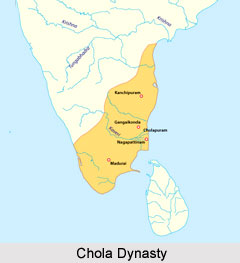
Chola Dynasty
Chola Dynasty is a Tamil dynasty and had longest duration of ruling in parts of South India. Chola dynasty had ruled South India successfully for a ex...
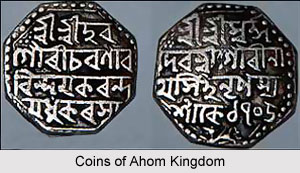
Suhungmung
Suhungmung was the fourteenth ruler of the Ahom dynasty who ruled from the period 1497 to 1539 AD. His reign was significant in terms of expansion of...
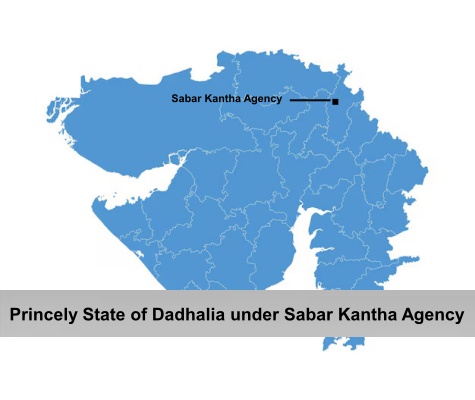
Princely State of Dadhalia
Princely State of Dadhalia was located in the present state of Gujarat. The state covered a total area of 28 sq miles and comprised of 15 villages. Th...
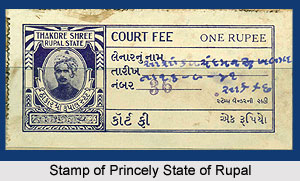
Princely State of Rupal
Princely State of Rupal was a part of the Baroda Agency, a sub division of Western India States Agency. It was under the administrative control of the...
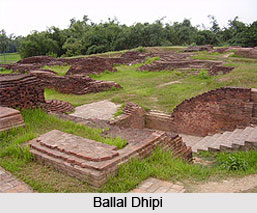
Archaeological Sites of West Bengal
Archaeological sites of West Bengal reveal several aspects of ancient India. Excavations by the Archaeological Survey of India have furnished artefact...
Related articles in History of India

Mughal Architecture during Babur
Mughal architecture during Babur marked the foundation of a new architectural era in India, blending Timurid, Persian, and local influences. His reign...

Architecture during Sayyid and Lodi Dynasty
Architectures during the Sayyid and Lodi dynasty were mainly the tombs and monuments for the dead rulers. It were carefully designed and meticulously...

Brahmanical Sources of Ancient History
Brahmanical Sources of ancient history are contained in the Vedas and they constitute one of the most important literary sources of information about...

Coins of Chola Empire
Coins of Chola Empire were issued in gold, silver and copper and carried the Chola emblem.

Coins of Khilji Dynasty
Coins of Khilji Dynasty had an influential feature that was followed by the other dynasties.