
Lord Sambhavnath
Lord Sambhavanath was the son of Emperor Jitari Raja and Queen Saina Rani. He was the third Tirthankara who helped in the propagation of religion.
Introduction
Lord Sambhavanath was the third Jain Tirthankara of the present age, Avasarpini. As per Jain philosophy, he became a siddha, an enlightened soul which has destructed all of its karma. Sambhavnath was born to Emperor Jitari Raja and Queen Saina Rani at Sravasthi in the Ikshvaku dynasty. He was born in the fourteenth day of the Margshrsha shukla month of the Hindu calendar. After a long time of the Nirvana of Bhagwan Ajitnath, the city of Kshempuri in the Airavat area of Mahavideh was ruled by Emperor Vipulvahan. He was a considerate and kind-hearted ruler who loved and cared for his subjects.
Life of Lord Sambhavanath
Once a devastating drought affected the whole region, and the population was deprived even of a few drops of water. The Emperor opened his grain yards for the public, his kitchen for the monks and ascetics and his treasury for the import of food grains. He even instructed his caretaker of his individual kitchen that the doors of his kitchen should be open to all, and all the guests should be given priority over himself. He also said that if anything was left at the end that should be served to him. However, if nothing was left he would be contented with the pleasure of serving his guests. It also happened during the drought that the Emperor remained unfed and thirsty.
As a consequence of this sublime feeling of compassion, Vipulvahan acquired distinctive purity of soul and earned the Trithankr-nam-and-gotra-karma. After a certain time though everything became normal the effect of the drought and the torture of the nature on the living world had a deep impact on Vipulvahan`s psyche. One day while he was standing on the roof top he witnessed dense rain clouds being scattered by wind. A feeling of intense detachment grew in him. He handed over his kingdom to his son and took Diksha from Svayamprabh Suri. After completing his age he reincarnated in the Anat dimension of Gods.
As a consequence of this sublime feeling of compassion, Vipulvahan acquired distinctive purity of soul and earned the Trithankr-nam-and-gotra-karma. After a certain time though everything became normal the effect of the drought and the torture of the nature on the living world had a deep impact on Vipulvahan`s psyche. One day while he was standing on the roof top he witnessed dense rain clouds being scattered by wind. A feeling of intense detachment grew in him. He handed over his kingdom to his son and took Diksha from Svayamprabh Suri. After completing his age he reincarnated in the Anat dimension of Gods.
Iconography of Lord Sambhavnath
Lord Sambhavnath, the third Jain Tirthankara has been well represented at Khajuraho Temples by three images. The three images vary approximately from 23.5" x 17" to 50"X 34" in dimensions and are assignable to a period from the 11th to the 12th century A. D.
The three images of Lord Sambhavanatha at Khajuraho Temples are marked with the srivatsa symbol in the centre of the chest. He is seen seated in represent him as seated cross legged posture and meditating with hands laid in the lap and palms facing upwards. In two images he is seen seated on lotus petals that are spread over an ornate cushion. The one remaining is just seated on an ornate cushion. It can be seen in Temple No. 16. In all the images the ornate cushions are resting on simhasanas. They have pilasters at two extremities. Two lions are also visible supporting the simhasana. They are seated with their backs and necks turned towards each other. In one case they face the observer. A dharmachakra is visible in between the images of the lions. A figure of horse has been carved below the dharmachakra. The hair of the Jina is treated in curls. The Jina in three examples are flanked by a pair of male attendants. They are seen wearing rich jewelleries and carrying a flywhisk in one hand. The other hand is shown resting on the thigh.
Forms of Lord Sambhavnath : The three forms of Lord Sambhavnath are explained below:
First image of Lord Sambhavnath: The image of the Lord is 23.5" x 17" and is kept in the Open Air Museum that is adjoining the Adinatha temple of Khajuraho. On the right top corner a small figure of a Jina can be seen. The image of the Lord is cased between two square pilasters. The bhamandala behind his head depicts small linear decoration from its centre. Four small Jina figures are carved on the right recessed portion. Two of these images are in sitting posture and the rest two are in standing posture. Two identical figures occupy the ends of the throne. These are two armed goddesses that are seated in lalitasana and are seen bearing a sword and some other objects in their hands. These images belong to the 11th century A.D.
Second image of Lord Sambhavnath: The image of the Lord here is 50"x 34" and has been carefully preserved in the Archaeological Museum of Khajuraho. A pair of devotees can also be seen with their hands folded on two sides of the dharmachakra. On the extreme corner of the throne two armed Yaksha Yakshi figures can be seen. These however, do not conform to the iconographic injunctions of the Digambara texts. The Yakshi of the left corner is in abhaya mudra and holds a lotus respectively in her right and left arms. The Yaksha of the corresponding right end holds probably a skull cup in his right hand and a mongoose skin purse in the left. The Yaksha is Sarvanubhnti or Lord Kubera. Above the Yaksha Yakshi figures there occurs, on either side, a standing Jina, slightly smaller in size than the middle Jina. It is surmounted by five hooded serpent with its top being damaged. These flanking Jinas stand naked on brackets with their hair done in curls.
Third image of Lord Sambhavnath: The third image of the Lord is 35. 5" x 24" and is well preserved in the Modern Temple No. 16. The idol has bulging eyes and has a halo consisting of a band filled with lozenges and a central blossom circlet. Besides this figure one can also see an image of a small standing Jina. Two armed figures of two-armed Yaksha and Yakshi are seated in lalitasana at the end of the throne.
The three images of Lord Sambhavanatha at Khajuraho Temples are marked with the srivatsa symbol in the centre of the chest. He is seen seated in represent him as seated cross legged posture and meditating with hands laid in the lap and palms facing upwards. In two images he is seen seated on lotus petals that are spread over an ornate cushion. The one remaining is just seated on an ornate cushion. It can be seen in Temple No. 16. In all the images the ornate cushions are resting on simhasanas. They have pilasters at two extremities. Two lions are also visible supporting the simhasana. They are seated with their backs and necks turned towards each other. In one case they face the observer. A dharmachakra is visible in between the images of the lions. A figure of horse has been carved below the dharmachakra. The hair of the Jina is treated in curls. The Jina in three examples are flanked by a pair of male attendants. They are seen wearing rich jewelleries and carrying a flywhisk in one hand. The other hand is shown resting on the thigh.
Forms of Lord Sambhavnath : The three forms of Lord Sambhavnath are explained below:
First image of Lord Sambhavnath: The image of the Lord is 23.5" x 17" and is kept in the Open Air Museum that is adjoining the Adinatha temple of Khajuraho. On the right top corner a small figure of a Jina can be seen. The image of the Lord is cased between two square pilasters. The bhamandala behind his head depicts small linear decoration from its centre. Four small Jina figures are carved on the right recessed portion. Two of these images are in sitting posture and the rest two are in standing posture. Two identical figures occupy the ends of the throne. These are two armed goddesses that are seated in lalitasana and are seen bearing a sword and some other objects in their hands. These images belong to the 11th century A.D.
Second image of Lord Sambhavnath: The image of the Lord here is 50"x 34" and has been carefully preserved in the Archaeological Museum of Khajuraho. A pair of devotees can also be seen with their hands folded on two sides of the dharmachakra. On the extreme corner of the throne two armed Yaksha Yakshi figures can be seen. These however, do not conform to the iconographic injunctions of the Digambara texts. The Yakshi of the left corner is in abhaya mudra and holds a lotus respectively in her right and left arms. The Yaksha of the corresponding right end holds probably a skull cup in his right hand and a mongoose skin purse in the left. The Yaksha is Sarvanubhnti or Lord Kubera. Above the Yaksha Yakshi figures there occurs, on either side, a standing Jina, slightly smaller in size than the middle Jina. It is surmounted by five hooded serpent with its top being damaged. These flanking Jinas stand naked on brackets with their hair done in curls.
Third image of Lord Sambhavnath: The third image of the Lord is 35. 5" x 24" and is well preserved in the Modern Temple No. 16. The idol has bulging eyes and has a halo consisting of a band filled with lozenges and a central blossom circlet. Besides this figure one can also see an image of a small standing Jina. Two armed figures of two-armed Yaksha and Yakshi are seated in lalitasana at the end of the throne.
Image of Lord Sambhavnath
The image of Lord Sambhavnath, the Third Jain Tirthankara, at Khajuraho Temples has been well represented through images. The Jina is seen sitting on lotus spread on an ornate cushion. It is 50"x34" in height. The pedestal on which the idol is placed is supported by two pilasters. However, the two pilasters are now in damaged condition. The figures of the lion on the pedestal are also damaged. The dharmachakra in the present example is flanked by two devotees, below which is carved a very small figure of a horse, the vehicle of the third Jina, Sambhavnath.
The yaksha and yakshi figures can be seen in the two shallow and pillared niches. An image of the Yakshi can be seen on the left corner. It is two armed and is in abhaya mudra. She holds a lotus respectively in her right and left arms. An image of the Yaksha is visible on the right side. It also has two arms and holds a skull cup in his right hand, while the other hand shows a mongoose skin purse. It seems that the Yaksha is Sarvanubhati, the most favoured and important yaksha at Khajuraho Temples. On either side above these figures a standing Jina can be seen. It is slightly smaller in size than the middle Jina and is surmounted by a canopy of five hooded serpent. However, all its top hoods are now in damaged state. These Jinas stand as naked on brackets. Their hair is disposed in curls. The Jinas are surmounted by five hoods and may be identified as Suparshavnatha, the seventh Jain Tirthankara.
Apart from the Jinas a female figure is also visible at each edge. She is adorned with jewellery and carrying with one hand a flywhisk turned downwards, and the other hand resting on thigh. These female figures represent as the attendants of the flanking Jinas. Further up on the top of the pilasters a miniature shrine is visible that houses a seated Jina carved on each side with three successive tiers and throne frame animals. One of the two riders of each side is seen holding a pitcher. A ruined sculpture of a seated Jina is visible above the trichatra. At each top back slab a hovering figure has been carved. They are seen engaged in playing flute. The hair of the Jina is curled up with a top knot. The halo round the head comprises blossom circlet and prominent garland like outer band. The image can be dated back to the latter half of the 11th century.
The yaksha and yakshi figures can be seen in the two shallow and pillared niches. An image of the Yakshi can be seen on the left corner. It is two armed and is in abhaya mudra. She holds a lotus respectively in her right and left arms. An image of the Yaksha is visible on the right side. It also has two arms and holds a skull cup in his right hand, while the other hand shows a mongoose skin purse. It seems that the Yaksha is Sarvanubhati, the most favoured and important yaksha at Khajuraho Temples. On either side above these figures a standing Jina can be seen. It is slightly smaller in size than the middle Jina and is surmounted by a canopy of five hooded serpent. However, all its top hoods are now in damaged state. These Jinas stand as naked on brackets. Their hair is disposed in curls. The Jinas are surmounted by five hoods and may be identified as Suparshavnatha, the seventh Jain Tirthankara.
Apart from the Jinas a female figure is also visible at each edge. She is adorned with jewellery and carrying with one hand a flywhisk turned downwards, and the other hand resting on thigh. These female figures represent as the attendants of the flanking Jinas. Further up on the top of the pilasters a miniature shrine is visible that houses a seated Jina carved on each side with three successive tiers and throne frame animals. One of the two riders of each side is seen holding a pitcher. A ruined sculpture of a seated Jina is visible above the trichatra. At each top back slab a hovering figure has been carved. They are seen engaged in playing flute. The hair of the Jina is curled up with a top knot. The halo round the head comprises blossom circlet and prominent garland like outer band. The image can be dated back to the latter half of the 11th century.
Resurrection of Lord Sambhavanath
From the Anat dimension, Lord Vipulvahan descended into the womb of Queen Sena Devi, wife of Emperor Jitari of Shravasti. When he was in the womb of his mother there were sufficient rains and abundant crop. One day when the Emperor and queen were happily watching the lush green vegetation all around, from their roof top, the Emperor said, that this time even the waste-land is filled with grain crop. He felt that all that was impossible had been made possible, due to the propitious influence of the pious soul in his wife`s womb. He thus named his son Sambhav.
On the fourteenth day of the bright half of the month of Margshrish, the queen gave birth to a healthy son and he was ceremoniously named Sambhav Kumar. The little prince grew up in royal comfort. However, he hardly took any cursory interest in the luxurious and materialistic life style. At the appropriate age Sambhav Kumar was married and coronated. He reigned for a long time peacefully and successfully. After many years he left his kingdom and became an ascetic on the fifteenth day of the bright half of the month of Margshrish. He achieved nirvana after a fourteen year period of divine practices. Arhat Sambhavnath gave his first discourse on the ephemeral nature of the ordinary existence. For a long period he worked for the upliftment of the masses and propagation of religion. He got Nirvana on the fifth day of the bright half of the month of Chaitra.
On the fourteenth day of the bright half of the month of Margshrish, the queen gave birth to a healthy son and he was ceremoniously named Sambhav Kumar. The little prince grew up in royal comfort. However, he hardly took any cursory interest in the luxurious and materialistic life style. At the appropriate age Sambhav Kumar was married and coronated. He reigned for a long time peacefully and successfully. After many years he left his kingdom and became an ascetic on the fifteenth day of the bright half of the month of Margshrish. He achieved nirvana after a fourteen year period of divine practices. Arhat Sambhavnath gave his first discourse on the ephemeral nature of the ordinary existence. For a long period he worked for the upliftment of the masses and propagation of religion. He got Nirvana on the fifth day of the bright half of the month of Chaitra.
Recently updated articles in Religion in India
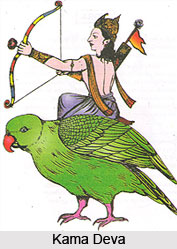
Kusumayudha
Kusumayudha is a name of Kamadeva, the Hindu God of Love. Depicted with a sugarcane bow and flower-tipped arrows, he represents attraction and longing...
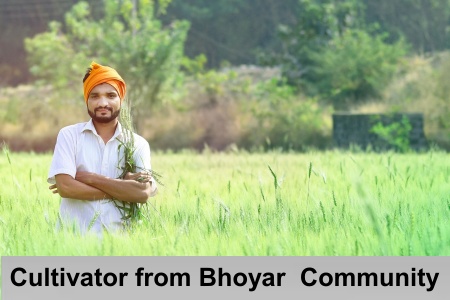
Bhoyar Caste
Bhoyar Caste is largely found in the Central Provinces of the country. Traditional occupation of Bhoyars is agriculture. They are good cultivators and...
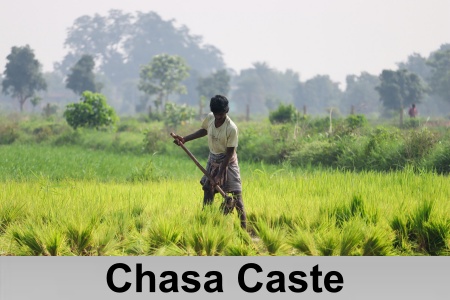
Chasa Caste
Chasa caste is a prominent agrarian community native to Odisha. Traditionally associated with cultivation and farming, Chasas have historically played...
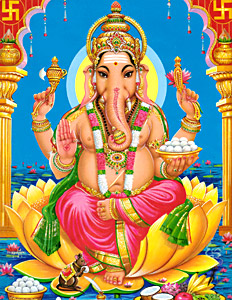
Vigneswara, A Form of Lord Ganesha
Lord Vigneswara is another form of Lord Ganesha or Vinayaka, prominently worshipped as the God of intelligence and good luck in the Indian subcontinen...
Maheswara
Maheswara, meaning “the Great Lord,” is a revered name of Lord Shiva in Hindu tradition. It represents Shiva’s supreme authority over creation, preser...
Related articles in Religion in India
Religion in Indus Valley Civilization
Religion in Indus Valley Civilisation included Hinduism, Buddhism and Jainism. Details about the religion in Indus Valley Civilization have been gathe...
Iyer Brahmin
Iyer Brahmins are originally from Tamil Nadu of South India. They are known for their adherence to Advaita philosophy and Smarta traditions. Tradition...
Kumbhakar / Kumhar Caste
Kumbhakar or Kumhar caste is a traditional artisan community in India known for pottery making. Derived from Sanskrit word Kumbhakar, meaning potter,...

Gujjars in Mughal Era
Gujjars in the Mughal era enjoyed great power. Further their power increased with the decline of Aurangzeb, Mughal emperor.
Gotra in Hinduism
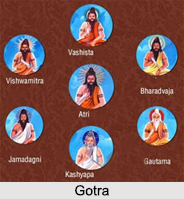
In Hinduism, gotra refers to a lineage system tracing descent from ancient sages, primarily through the paternal line. Originating from Vedic traditio...