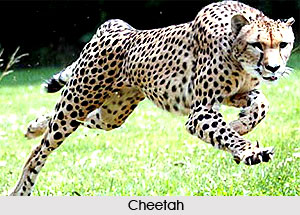
 Hunting in Mughal India was practiced keeping the older traditions as the basic rule thereby adding new important features. Hunting was forbidden on certain days. Though there were efforts against slaughter. Under Mughal rule, no killing was allowed at sacred sites of the Jains. Species like elephant and cheetah were being hunted on a large scale. The behaviour of the falcons, tribal`s hunting techniques and various methods to track down tigers were the striking features. The hunting grounds had few restrictions. Methods like the capture of cheetahs in pit-fall traps or the trapping of francolins were innovative techniques.
The second nature of the Mughals was the use of the musket. Hunting was more than a means of pleasure. Hunts were used to camouflage armed expeditions. The Mughals developed hunting into a ritualized activity. Animals are often hunted with huge attendants of soldiers, who drove the game animals into a central stage. The half-moon formation that was formed by the troops required a deep knowledge of the terrain and quarry movements. Despite all the arrangements, the hunters moved on foot and exposed themselves to personal danger when pursuing a lion or tiger. As the Mughals were keen meat-eaters they were particular about observing what they required.
Jahangir had killed over 17,000 animals in the first twelve years of his reign. The Mughal palate used thirty five to forty meat dishes at a proper meal. The hunt symbolized the of the ruler`s ability to overcome harmful animals. The tiger and the lion played a key role for the Mughals. The lion figured in the flag of the Mughal Empire and was common enough across the scrub forests and dry savannahs of Northern India.
This article is a stub. You can enrich by adding more information to it. Send your Write Up to content@indianetzone.com