
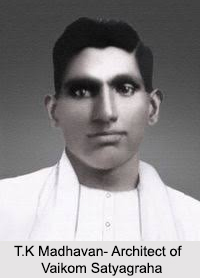
 The Vaikom Satyagraha is the first organised movement against untouchability in India which took place in the year 1924 in the small town of Vaikom located in the current Kottayam district in Kerala. Vaikom was at that time a part of the princely state of Travancore. The Satyagraha aimed at securing freedom to all sections of society through the public roads leading to the Sri Mahadeva Temple at Vaikom. The role of Vaikom Satyagraha had a profound impact on the concept of movement and protest in India.
Vaikom Satyagraha
The Vaikom Satyagraha was a protest against untouchability in the Hindu society in the erstwhile princely states of Kerala.
Introduction
The Vaikom Satyagraha is the first organised movement against untouchability in India which took place in the year 1924 in the small town of Vaikom located in the current Kottayam district in Kerala. Vaikom was at that time a part of the princely state of Travancore. The Satyagraha aimed at securing freedom to all sections of society through the public roads leading to the Sri Mahadeva Temple at Vaikom. The role of Vaikom Satyagraha had a profound impact on the concept of movement and protest in India.History of Vaikom Satyagraha
According to the prevalent caste system in Kerala and the rest of the country, low caste Hindus were not allowed to enter into the temples or even allowed to walk the same roads that led to the temples. In 1865, the Government of Travancore had published a notification that said all public roads in the state were open to all castes of people alike. This was re- modified in 1884 by a fresh notification which enjoined that any violation of these orders would be visited with the severest displeasure of the Government. A distinction was made between the Raja Veedhis or the King"s Highways and Grama Veedhis or the Village Roads. This eventually led to classism as the roads around Vaikom Temple were considered to be grama veedhis and consequently even after 65 years of Government proclamation, they were barred to the lower castes and a unit of police was stationed in the vicinity to enforce the custom.
Incidents Leading to Vaikom Satyagraha
Under the reign of Avittom Thirunal Balarama Varma, the king of Travancore, the first ever attempt to enter a temple was made by a group of 200 Ezhava or the Nadar community. The king single- handily along with a dozen of Nair warriors scared the Ezhavas away. Another incident which triggered the Vaikom agitation was the prohibition of T.K Madhavan, an advocate. He was to appear before the honourable judge in a case on behalf of his client. The court was inside the compound of the Maharaja"s palace and as the advocate belonged to the Nadar community he was denied entry.
This incident was made into an issue and thus sparked the movement of Vaikom Satyagraha. T.K Madhavan`s main objective was to achieve unconditional temple entry; he understood that the right to use the public roads around the temples was the first step. It was suggested in making the Vaikom Satyagraha a symbolic battle against atrocities in the name of caste, giving it a national and cosmopolitan look to gain the attention of the entire world. And to achieve that, the involvement of the Indian National Congress was necessary.
This incident was made into an issue and thus sparked the movement of Vaikom Satyagraha. T.K Madhavan`s main objective was to achieve unconditional temple entry; he understood that the right to use the public roads around the temples was the first step. It was suggested in making the Vaikom Satyagraha a symbolic battle against atrocities in the name of caste, giving it a national and cosmopolitan look to gain the attention of the entire world. And to achieve that, the involvement of the Indian National Congress was necessary.
Effects of Vaikom Satyagraha
The movement gained prominence in the entire India and support came from far and wide. The Akalis of Punjab supported by setting up kitchens to provide food to the Satyagrahis and even the Christian and Muslim leaders were in support of the movement. This was shunned by Gandhiji because he wanted the movement to be an intra-Hindu affair. On Gandhi"s advice, the movement was taken back temporarily in April 1924. After discussions with Hindu caste people failed, the leaders again started the movement. Leaders T K Madhavan and K P Kesava Menon were arrested and later Periyar E. V. Ramasamy came from Tamil Nadu to show his support but was arrested.
On 1st October 1924, a group of savarnas or upper castes, marched in a procession and submitted a petition to the Regent Maharani Sethulakshmi Bai of Travancore with approximately 25000 signatures for allowing entry to the temple for everyone. Gandhijii also met with the Regent Maharani. This procession of savarnas was led by Mannath Padmanabhan Nair, beginning with about 500 people at Vaikom. The number increased to approximately 5000 when the procession reached Thiruvananthapuram in the month of November 1924.
And finally on 23rd November, 1925, all the gates of the temple were opened to Hindus except the eastern gate. In 1928, the backward castes got the right to walk on public roads leading to all temples in Travancore. This was the first time that an organised movement was being conducted on such a massive scale for the basic rights of the untouchables and other backward castes in Kerala.
On 1st October 1924, a group of savarnas or upper castes, marched in a procession and submitted a petition to the Regent Maharani Sethulakshmi Bai of Travancore with approximately 25000 signatures for allowing entry to the temple for everyone. Gandhijii also met with the Regent Maharani. This procession of savarnas was led by Mannath Padmanabhan Nair, beginning with about 500 people at Vaikom. The number increased to approximately 5000 when the procession reached Thiruvananthapuram in the month of November 1924.
And finally on 23rd November, 1925, all the gates of the temple were opened to Hindus except the eastern gate. In 1928, the backward castes got the right to walk on public roads leading to all temples in Travancore. This was the first time that an organised movement was being conducted on such a massive scale for the basic rights of the untouchables and other backward castes in Kerala.
Role of Vaikom Satyagraha
Role of Vaikom Satyagraha had a profound impact on the concept of movement and protest in India. The place has rich history. About two hundred years age at Vaikom, there was an attempt at the temple entry and a horrific end of it. Balaram Varma was actually the King of Travancore and Kunchukutti Pillai was the Diwan (Dalawa).
There were about two hundred young men, in and around Vaikom decided to enter the temple premises and worship. A date was absolutely fixed. Those people who were in charge of the temple also carried the news to the Kings and authorities and the King promised to take crucial actions. On the very day of proposed temple entry one messenger from the king also came to Vaikom, and met the temple authorities. They also wondered how this single man would stop 200 well-built young men. The young men also organized themselves to a procession from Iruvelikkunnu on Kottayam Road.
The plan that they had was to enter the temple from eastern road, as they were nearing the temple the King`s messenger along with huge number of armed personnel begun attacking the unarmed civilians. The dead bodies were collected and also buries in the pond at the north-eastern side of temple. It seems Dalawa Kunchukutti Pillai had ordered the carnage; hence the pond came to be known as Dalawa Kulam. The pond is no longer there. It is filled in and the present private bus stand is constructed there.
There was one more vital incident that triggered the act. Sree Narayana Guru himself was prohibited from passing through the roads around the temple. Sri Bhargavan Vaidyar mentions this in the golden Jubilee Souvenir of Neyyattinkara S N D P Union.
There were about two hundred young men, in and around Vaikom decided to enter the temple premises and worship. A date was absolutely fixed. Those people who were in charge of the temple also carried the news to the Kings and authorities and the King promised to take crucial actions. On the very day of proposed temple entry one messenger from the king also came to Vaikom, and met the temple authorities. They also wondered how this single man would stop 200 well-built young men. The young men also organized themselves to a procession from Iruvelikkunnu on Kottayam Road.
The plan that they had was to enter the temple from eastern road, as they were nearing the temple the King`s messenger along with huge number of armed personnel begun attacking the unarmed civilians. The dead bodies were collected and also buries in the pond at the north-eastern side of temple. It seems Dalawa Kunchukutti Pillai had ordered the carnage; hence the pond came to be known as Dalawa Kulam. The pond is no longer there. It is filled in and the present private bus stand is constructed there.
There was one more vital incident that triggered the act. Sree Narayana Guru himself was prohibited from passing through the roads around the temple. Sri Bhargavan Vaidyar mentions this in the golden Jubilee Souvenir of Neyyattinkara S N D P Union.
Recently updated articles in History of India
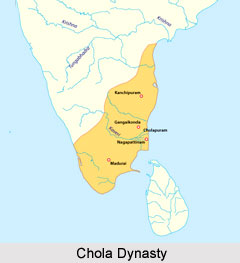
Chola Dynasty
Chola Dynasty is a Tamil dynasty and had longest duration of ruling in parts of South India. Chola dynasty had ruled South India successfully for a ex...
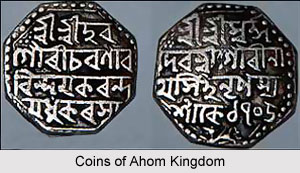
Suhungmung
Suhungmung was the fourteenth ruler of the Ahom dynasty who ruled from the period 1497 to 1539 AD. His reign was significant in terms of expansion of...
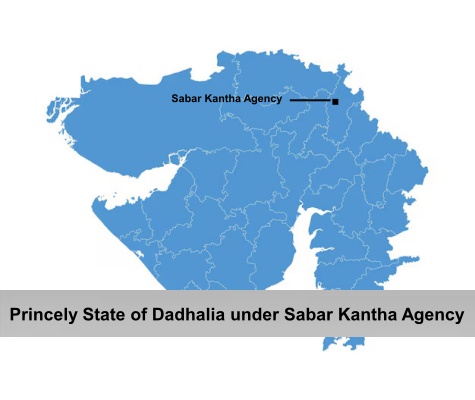
Princely State of Dadhalia
Princely State of Dadhalia was located in the present state of Gujarat. The state covered a total area of 28 sq miles and comprised of 15 villages. Th...
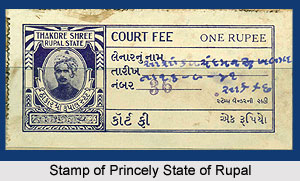
Princely State of Rupal
Princely State of Rupal was a part of the Baroda Agency, a sub division of Western India States Agency. It was under the administrative control of the...
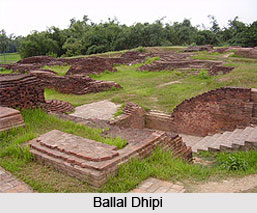
Archaeological Sites of West Bengal
Archaeological sites of West Bengal reveal several aspects of ancient India. Excavations by the Archaeological Survey of India have furnished artefact...
Related articles in History of India

Mughal Architecture during Babur
Mughal architecture during Babur marked the foundation of a new architectural era in India, blending Timurid, Persian, and local influences. His reign...

Architecture during Sayyid and Lodi Dynasty
Architectures during the Sayyid and Lodi dynasty were mainly the tombs and monuments for the dead rulers. It were carefully designed and meticulously...

Brahmanical Sources of Ancient History
Brahmanical Sources of ancient history are contained in the Vedas and they constitute one of the most important literary sources of information about...

Coins of Chola Empire
Coins of Chola Empire were issued in gold, silver and copper and carried the Chola emblem.

Coins of Khilji Dynasty
Coins of Khilji Dynasty had an influential feature that was followed by the other dynasties.