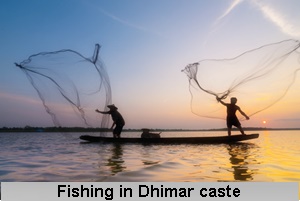
Fishing, the traditional occupation, remains the primary occupation
of the Dhimar caste even today. However, a few members may engage in
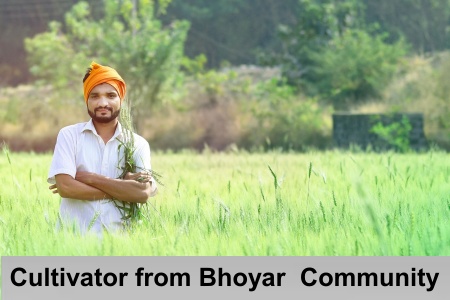
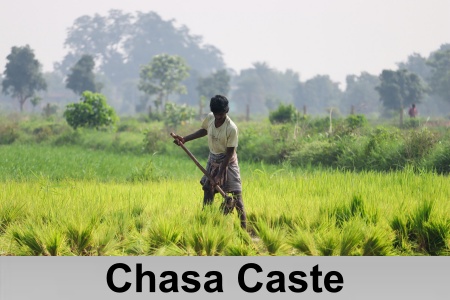
agricultural activities. On several occasions, Dhimars sustain their livelihood
by selling sweet potatoes, dry grains, and rice.
The caste has also set rituals concerning marriage,
prohibiting unions within the same clan or between first cousins. Notably,
widow remarriage is permitted within Dhimar society. Widow marriages typically takes
place during nighttime, except on Tuesdays, Saturdays, and Sundays. Divorce,
though rare, is also recognized within their social framework.
The Dhimar community follows a patrilineal system of
kinship, in which family lineage and inheritance are traced through the male
line. After marriage, the customary pattern of residence is patrilocal, with
the bride moving into the household of her husband and becoming part of his
family unit. This arrangement reflects long-standing social traditions that are
common among many rural Hindu occupational communities.
Family life within the community has traditionally been
centered around joint households, where several generations live together under
one roof. Such family structures foster close kinship ties, collective
responsibility, and the sharing of economic and domestic duties.
Many members of the Dhimar community identify themselves
with the Kashyap gotra, tracing their ancestral origins to the revered sage Kashyap of Hindu
tradition. The gotra serves as an important marker of lineage and identity,
guiding social and marital relationships. In accordance with customary Hindu
practices, marriages within the same gotra are generally prohibited, as such
unions are considered to involve close kinship ties. This rule helps prevent
consanguineous marriages and reinforces the community’s traditional system of
exogamy.
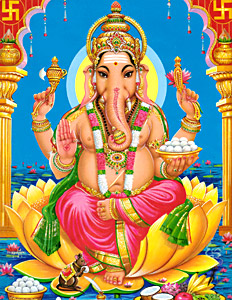
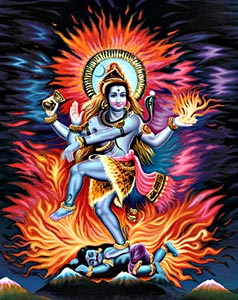
Burial is the customary method for the deceased among the Dhimars. When it comes to naming children, they are either named on the day of birth or on the twelfth day afterward. Dhimars are known for their religious disposition and deities they worship such as Dulha Deo, Lord Shiva, Lord Ganesha, Lord Hanuman, and Goddess Lakshmi.