
The 104th Regiment of Foot (Bengal Fusiliers) was an infantry regiment of the British Army. The army unit remained in existence from the year 1862 to 1881. The battalion was a part of the Bengal Army and was developed by the British East India Company. Later the regiment was merged with the 101st Regiment of Foot (Royal Bengal Fusiliers) unit in order to raise The Royal Munster Fusiliers regiment unit. The army of the province of Bengal was the armed forces of Bengal Presidency and was amongst the 3 main Presidency Armies in British India. The British Presidency Armies belonged to the British East India Company until the Sepoy Mutiny of 1857.
The Government of India Act 1858, which was authorized after the Sepoy Mutiny in the year 1857, transferred the authority of the 3 Presidency Armies to the British Empire in India. In the year 1903, the 3 separate presidency armies were united to form the combined British Indian Army.
History of 104th Regiment of Foot (Bengal Fusiliers)
The 104th Regiment of Foot (Bengal Fusiliers) was re-established as the 2nd Bengal (European) Light Infantry by the British East India Company in the year 1839. It was re-formed from a core group of 1st Bengal (European) Regiment. The 104th Regiment of Foot (Bengal Fusiliers) took part in the Second Sikh War in 1848 in British Punjab. The military regiment was re-designated as the 2nd Bengal (European) Fusiliers in 1850. The unit did not support the mutineers during the Great Revolt of 1857 and remained loyal to the Honourable East India Company.
After the Indian Rebellion, the 104th Regiment of Foot (Bengal Fusiliers) came under the authority of the British Empire in India in the year 1858. The unit was officially re-assigned to the British Indian Army in 1862 and was renamed as 104th Regiment of Foot (Bengal Fusiliers). Most the officers of the military regiment were recruited from several British Indian regiments. The army personnel in the ranks of majors and captains served with the 2nd Bengal (European) Fusiliers.
The 104th Regiment of Foot (Bengal Fusiliers) was unified with the military unit of 101st Regiment of Foot (Royal Bengal Fusiliers) to develop The Royal Munster Fusiliers in the year 1881, as part of the Childers Reforms.
104th Regiment of Foot (Bengal Fusiliers)
104th Regiment of Foot (Bengal Fusiliers) was a part of the Bengal Army and was developed by the British East India Company. It remained in existence from the year 1862 to 1881.
Recently updated articles in History of India
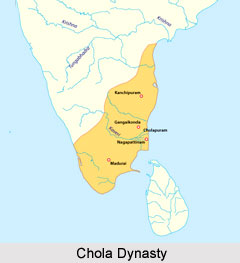
Chola Dynasty
Chola Dynasty is a Tamil dynasty and had longest duration of ruling in parts of South India. Chola dynasty had ruled South India successfully for a ex...
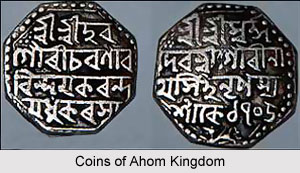
Suhungmung
Suhungmung was the fourteenth ruler of the Ahom dynasty who ruled from the period 1497 to 1539 AD. His reign was significant in terms of expansion of...
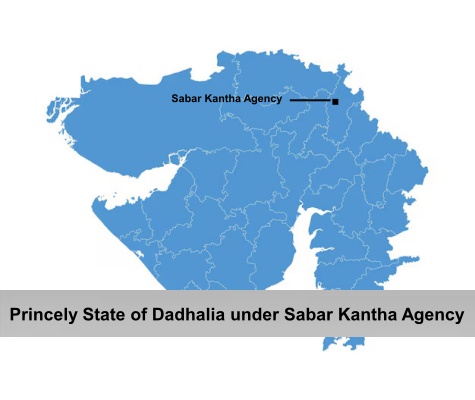
Princely State of Dadhalia
Princely State of Dadhalia was located in the present state of Gujarat. The state covered a total area of 28 sq miles and comprised of 15 villages. Th...
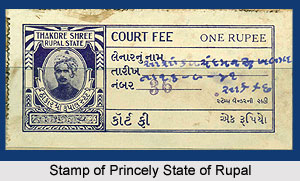
Princely State of Rupal
Princely State of Rupal was a part of the Baroda Agency, a sub division of Western India States Agency. It was under the administrative control of the...
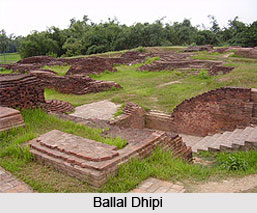
Archaeological Sites of West Bengal
Archaeological sites of West Bengal reveal several aspects of ancient India. Excavations by the Archaeological Survey of India have furnished artefact...
Related articles in History of India

Mughal Architecture during Babur
Mughal architecture during Babur marked the foundation of a new architectural era in India, blending Timurid, Persian, and local influences. His reign...

Architecture during Sayyid and Lodi Dynasty
Architectures during the Sayyid and Lodi dynasty were mainly the tombs and monuments for the dead rulers. It were carefully designed and meticulously...

Brahmanical Sources of Ancient History
Brahmanical Sources of ancient history are contained in the Vedas and they constitute one of the most important literary sources of information about...

Coins of Chola Empire
Coins of Chola Empire were issued in gold, silver and copper and carried the Chola emblem.

Coins of Khilji Dynasty
Coins of Khilji Dynasty had an influential feature that was followed by the other dynasties.