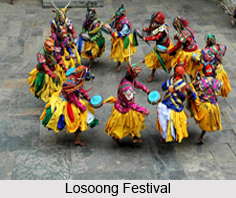
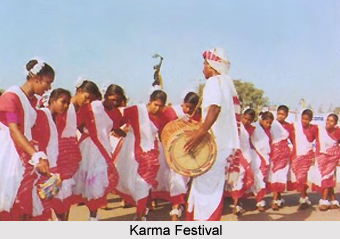
Indian National Festivals play a major role in spreading unity in diversity, with emphasis on communal harmony. Festivals in India are joyously celebrated all over the country. During any festive season, the whole of India brightens up and there is lot of excitement in the air. India is a land of multi-ethnicity where people of different languages and cultures live together with peace and harmony. India is worldwide known for its cultural diversity and colourful festivals. Apart from these festivals, the Indian national festivals such as Gandhi Jayanti, the Independence Day, Republic Day and many more are a part of the country"s culture.
Republic Day of India
Republic Day is amongst the three Indian national festivals and is one of the national holidays of India which is regarded as the most important day in the Indian history. This auspicious day is celebrated on January 26 to commemorate the adoption of constitution. As per the records, the constitution of India came into force on January 26, 1950 by replacing the Government of India Act (1935) as the governing document of India. Like the Independence Day, flag hoisting ceremony and cultural programmes are organized across the nation on the Republic Day.
Independence Day
Independence Day is celebrated to mark the Independence of India, is considered another Indian national festival and is currently a national holiday. India became independent on August 15, 1947, after the British left the country. Since then, August 15 is celebrated as the Independence Day. On this day, various formal events including flag-hoisting and march-past in all states, districts, panchayats, schools, colleges are organized to commemorate the day of freedom. The Prime Minister of the nation hoists the tri-colour national flag (Tiranga) at the Red Fort and addresses the nation from its rampart. Independence Day is one of the three Indian national festivals that bind the people of different cultures and religions into a bond of unity and brotherhood.
Gandhi Jayanti
One of the most celebrated Indian national festivals, Gandhi Jayanti is celebrated to commemorate the birth anniversary of the Father of the Nation, Mahatma Gandhi. Gandhi Ji was born on October 2, 1869, into a Hindu family, in Porbandar city of Gujarat. Every year, this auspicious occasion is celebrated on October 2 with great zeal and enthusiasm. People across the nation pay tributes to Gandhi Ji on this day. Various cultural programmes showcasing Gandhi Ji`s life and struggle for independence are organized at school, colleges, government and private organizations etc. Also, different types of competition, such as essay writing, painting, etc. are organized to remember the legacy of Mahatma Gandhi.
Milad-Un-Nabi/Id-E-Milad
Milad-Un-Nabi, also known as Eid-e-Milad an-Nabi, is an Islamic festival that commemorates the birth of the Prophet Muhammad. It is observed on the 12th day of Rabi` al-Awwal, the third month in the Islamic calendar. Devotees gather to offer prayers and celebrate the life and teachings of the Prophet.
Holi
Holi, known as the Festival of Colors, Love, and Spring, is a cherished Hindu festival celebrated with immense joy and enthusiasm. It signifies the eternal love of Lord Krishna and Radha and is observed with vibrant colors, sweets, and merriment across the country.
Ram Navami
Ram Navami marks the birth anniversary of Lord Rama, one of the most revered deities in Hinduism. Devotees celebrate this day with prayers, bhajans, and processions, often visiting temples dedicated to Lord Rama.
Mahavir Jayanti
Mahavir Jayanti is a significant festival in Jainism, celebrating the birth of Lord Mahavir, the 24th Tirthankara. Followers visit temples, engage in meditation, and take part in charitable activities to honor his teachings of non-violence and compassion.
Good Friday
Good Friday is a solemn Christian holiday that commemorates the crucifixion of Jesus Christ. It falls during Holy Week and is observed with religious services, prayers, and reflection on the suffering and sacrifice of Jesus.
Buddha Purnima
Buddha Purnima, also known as Buddha Jayanti, marks the birth of Siddhartha Gautama, who later became Gautama Buddha. Buddhists celebrate this day with meditation, prayer, and acts of kindness, reflecting on the Buddha`s teachings.
Eid al-Fitr
Eid al-Fitr, the "Festival of Breaking the Fast," is a significant Islamic holiday that marks the end of Ramadan, a month of fasting and prayer. Muslims come together for communal prayers and share festive meals with family and friends.
Janmashtami
Janmashtami celebrates the birth of Lord Krishna, the eighth avatar of Lord Vishnu. Devotees fast, sing devotional songs, and reenact scenes from Krishna`s life, including his playful antics as a child.
Dussehra/ Vijay Dashami
Dussehra, also known as Vijayadashami, signifies the triumph of good over evil. It culminates in the burning of effigies of the demon king Ravana, symbolizing the victory of Lord Rama over evil forces.
Idu"l Zuha
Id-ul-Zuha, also known as Eid al-Adha, is an important Islamic festival that commemorates the willingness of Prophet Ibrahim to sacrifice his son as an act of obedience to God. It involves communal prayers and the sharing of sacrificial meat among family and friends.
Diwali/ Deepawali
Diwali, the "Festival of Lights," symbolizes the victory of light over darkness and good over evil. People light lamps, exchange gifts, and participate in various cultural festivities during this joyous occasion.
Muharram
Muharram is the first month of the Islamic calendar, and Ashura, the tenth day of Muharram, holds special significance. It is a day of reflection and mourning, commemorating events in Islamic history.
Guru Nanak Jayanti
Guru Nanak Jayanti celebrates the birth of Guru Nanak Dev Ji, the founder of Sikhism. Sikhs visit gurdwaras, engage in prayer and community service, and partake in langar (community meals) to honor his teachings.
Christmas
Christmas is observed by Christians across India to commemorate the birth of Jesus Christ. It includes midnight Mass, carol singing, and the exchange of gifts.
Makar Sankranti
Makar Sankranti, a Hindu festival, marks the transition of the sun into the zodiac of Capricorn. It is celebrated with kite flying, special sweets, and prayers for a bountiful harvest.
Pongal
Pongal is a Tamil harvest festival where people express gratitude to the Sun God, nature, and farm animals. It involves cooking a special dish called "Pongal" and traditional festivities.
Raksha Bandhan
Raksha Bandhan, a Hindu festival celebrated in South Asia, symbolizes the bond between brothers and sisters. Sisters tie rakhi (a sacred thread) on their brothers` wrists, and brothers offer gifts in return.
Onam
Onam, a 10-day-long festival celebrated in Kerala, marks the return of King Mahabali from the netherworld. It involves cultural performances, traditional feasts, and vibrant flower decorations.
Other Festivals of India
Some religious festivals mark the advent of the seasons and some mark the celebration of cultural events. A large number of national festivals celebrated in India have a religious outlook. These festivals are being celebrated in commemoration of some saints, gurus and prophets, the Gods and Goddesses or events celebrating their victories. Religious ceremonies, enthusiasm paralleled with ample fun and celebration marks these Indian national festivals. Cities or states are famous for the celebration of particular festivals e.g. Kolkata (West Bengal) for Durga Puja, Maharashtra for Ganesh Chaturthi. Similarly, Parsi festival of Jamshed Nav Roz in Mumbai, Christian festivals in Goa and the Kaza festival in the Lamaistic strongholds of Ladakh, Lahaul and Spiti and Sikkim. In some tribal areas, the cult of Mother Goddess is more prevalent. However, the celebrations dissolve ethnic limitations and all religious groups merge into one, during such festivals.