
 Goddess Lakshmi is believed to bring good luck and cares for her devotees from different kinds of unhappiness and economical problems. According to the Hindu Mythology, Owl is her carrier. However, while travelling with Lord Vishnu she travels on an Eagle. An owl is blind during the day and a rich person who lacks the right intellect cannot see beyond his affluence. Eagle represents wisdom. Whenever she travels without Lord Vishnu the person whom she visits is made symbolically sightless. Hindus consider Goddess Lakshmi as good fortune. The word "Lakshmi" is originated from the Sanskrit word "Laksya", that means aim.
She is portrayed as restless, unusual yet motherly, with her arms raised to bless and to allowance.<
Goddess Lakshmi is believed to bring good luck and cares for her devotees from different kinds of unhappiness and economical problems. According to the Hindu Mythology, Owl is her carrier. However, while travelling with Lord Vishnu she travels on an Eagle. An owl is blind during the day and a rich person who lacks the right intellect cannot see beyond his affluence. Eagle represents wisdom. Whenever she travels without Lord Vishnu the person whom she visits is made symbolically sightless. Hindus consider Goddess Lakshmi as good fortune. The word "Lakshmi" is originated from the Sanskrit word "Laksya", that means aim.
She is portrayed as restless, unusual yet motherly, with her arms raised to bless and to allowance.<Goddess Lakshmi
Goddess Lakshmi is considered as the Goddess of wealth and prosperity in the religion of Hinduism. She is considered as the consort of Lord Vishnu.
About Goddess Lakshmi
Goddess Lakshmi is believed to bring good luck and cares for her devotees from different kinds of unhappiness and economical problems. According to the Hindu Mythology, Owl is her carrier. However, while travelling with Lord Vishnu she travels on an Eagle. An owl is blind during the day and a rich person who lacks the right intellect cannot see beyond his affluence. Eagle represents wisdom. Whenever she travels without Lord Vishnu the person whom she visits is made symbolically sightless. Hindus consider Goddess Lakshmi as good fortune. The word "Lakshmi" is originated from the Sanskrit word "Laksya", that means aim.
She is portrayed as restless, unusual yet motherly, with her arms raised to bless and to allowance.<Origin of Goddess Lakshmi
Goddess Lakshmi is the daughter of Sage Bhrigu. When Gods were banished due to the curse of the sage Durvasa that all Gods would lose their supremacy, she took shelter in ocean. For gaining immortality and defeating the asuras, the gods started whipping the ocean in search of a powerful elixir, Amrit which would present them immortality, splendour and massive power.
While churning the ocean, there were many treasures that shelled and goddess Lakshmi was one of them. She took the reincarnation from the process and came out with a wreath which she used to choose Lord Vishnu denoting him as the heavenly consort and helping him to keep up the universe"s wealth. Narration in Vishnu Purana explains that Goddess Lakshmi had to leave swarga due to the curse of Durvasa and live in Ksheersagara.
Early history of Goddess Lakshmi
 Early History of Goddess Lakshmi depicts Goddess Lakshmi as an embodiment of royal qualities. It is believed that she was born as an outcome of austerities of Prajapati. Her ten qualities are royal power, universal sovereignty, noble rank, power, holy lustre, kingdom, fortune, benevolence and beauty. Goddess Lakshmi has been described in sri sukta which is a hymn in praise of her. She is worshipped to bring fame and prosperity. She is considered to be bountiful and someone who gives in plenty. It is believed that she bestows gold, cattle and food on her worshipper.
According to the hymn she banishes her sister Alakshmi or misfortune who always appears in an inauspicious form. She is described as seated in a chariot that has the best horses and elephants. She is ornamented richly. She is radiant as gold and it is often said that she shines like a sun. In sri sukta she is described as very fertile. Here her son is Kardama that means mud. Her presence is confirmed to be apparent in the mysterious force of the earth. She is associated with growth and richness of moist.
Villages especially women worship her in the form of cow dung and this is enjoined in Nilamata Purana. This hymn also mentions two things that are associated with her consistently: elephant and lotus. She is seated on a lotus. In fact she has always been addressed as Padma. The lotus symbolizes vegetative growth. Lotus and Goddess Lakshmi represents fully developed blossoming of organic life. Lotus is suggestive of expanding and growing world imbued with vigorous fertile power. This is what has been revealed in Goddess Lakshmi. She is considered as the nectar of creation that lends its distinctive flavour to the creation.
Lotus also refers to the spiritual power and beauty. Lotus is a symbol of perfection spiritually and authority. Lotus seat is a common motif in Hindu iconography. She suggests a state of refinement that transforms the material world. She is a combination of royal and priestly powers. The most enduring expression has been that of her being flanked by two elephants in the images of Gaja Lakshmi. The flanking showering elephants suggest royal authority and fertility. It is also considered that the image portray royal consecration. The elephants are shown standing on lotuses.
Later history of Goddess Lakshmi
 Later history of Goddess Lakshmi shows her close association with Lord Vishnu. Some ancient texts link her with God Soma. She had attended the royal sacrifice of Soma. This demonstrates the fact that in her presence royal authority is guaranteed. Soma is the lord of plants and is identified with fertile sap that is the cause of vegetative growth. Both the deities complement as well as strengthen each other as symbols of sap of existence.
According to some other texts Lakshmi is considered as the wife of Dharma. She and some other Goddesses were given in to marriage by her father Daksha. Here the fact is emphasized that by performing dharma one can attain prosperity.
There are several myths that associate Lakshmi with Lord Indra. Lakshmi appear as the embodiment of royal authority, whose presence is essential for wielding of royal power and creating prosperity.
Again several myths say that she was persuaded to leave one ruler for another. For instance she was told to live with the demons Bali and Prahlada. Under her presence they rule the kingdoms effectively. The society operates smoothly, lands are fertile. When she leaves the demon loses his lustre. Along with the Goddess some other good qualities of Prahlada like good conduct; virtuous behaviour and strength are lost. He loses his royal might. Myths associated with demon Bali are also similar. Bali`s bravery attracts Lakshmi. Under her presence he rules the three worlds. Her presence ensures a king more than ruling power. Goddess Lakshmi and Lord Indra are an example of a divine pair: female earth Goddess and a male sky God. The combination generates the fertility that is required throughout the life.
Some traditions associate Goddess Lakshmi with Kubera who is the lord of Yakshas. He is the guardian of earth`s treasures in form of gems. Either of them is associated with wealth. Yaksha generally plays the role of fertility therefore Goddess Lakshmi is associated with Yaksha.
According to myths Goddess Lakshmi is associated with Vishnu in the context of churning of milk ocean by Gods and demons. At some point Lakshmi`s origin was related to this mythological event. When Lord Indra insults her she disappears from the three worlds. In her absence all generosity ceases, planets lose their brilliance, gods lose their strength and the fire loses its heat. The world becomes dull. On her return the vitality is also restored. It is believed that many Goddesses had come up and Lakshmi was one of them. This is considered as her main manifestation.
She was born to the great sage Bhrigu and Khyaati therefore also known as Bhargavi. She is the sister of the great guru Shukracharya as well as the planet Chandra. Each time when Lord Vishnu descends on earth as an incarnation he is accompanied by an avatar of Lakshmi. Lakshmi resided in Swarga, however due to Durvasa`s curse she left heaven and made Ksheersagara her home.
She is shown in a subdued manner in various images. She is shown having two arms instead of having four arms. Proper social relations and traditional social values attract her. She herself is a model of social decorum. While being associated with Vishnu she provides a picture of marital contentment, domestic order and beneficial interdependence between male and female.
While churning the ocean, there were many treasures that shelled and goddess Lakshmi was one of them. She took the reincarnation from the process and came out with a wreath which she used to choose Lord Vishnu denoting him as the heavenly consort and helping him to keep up the universe"s wealth. Narration in Vishnu Purana explains that Goddess Lakshmi had to leave swarga due to the curse of Durvasa and live in Ksheersagara.
Early history of Goddess Lakshmi
Early History of Goddess Lakshmi depicts Goddess Lakshmi as an embodiment of royal qualities. It is believed that she was born as an outcome of austerities of Prajapati. Her ten qualities are royal power, universal sovereignty, noble rank, power, holy lustre, kingdom, fortune, benevolence and beauty. Goddess Lakshmi has been described in sri sukta which is a hymn in praise of her. She is worshipped to bring fame and prosperity. She is considered to be bountiful and someone who gives in plenty. It is believed that she bestows gold, cattle and food on her worshipper.
According to the hymn she banishes her sister Alakshmi or misfortune who always appears in an inauspicious form. She is described as seated in a chariot that has the best horses and elephants. She is ornamented richly. She is radiant as gold and it is often said that she shines like a sun. In sri sukta she is described as very fertile. Here her son is Kardama that means mud. Her presence is confirmed to be apparent in the mysterious force of the earth. She is associated with growth and richness of moist.
Villages especially women worship her in the form of cow dung and this is enjoined in Nilamata Purana. This hymn also mentions two things that are associated with her consistently: elephant and lotus. She is seated on a lotus. In fact she has always been addressed as Padma. The lotus symbolizes vegetative growth. Lotus and Goddess Lakshmi represents fully developed blossoming of organic life. Lotus is suggestive of expanding and growing world imbued with vigorous fertile power. This is what has been revealed in Goddess Lakshmi. She is considered as the nectar of creation that lends its distinctive flavour to the creation.
Lotus also refers to the spiritual power and beauty. Lotus is a symbol of perfection spiritually and authority. Lotus seat is a common motif in Hindu iconography. She suggests a state of refinement that transforms the material world. She is a combination of royal and priestly powers. The most enduring expression has been that of her being flanked by two elephants in the images of Gaja Lakshmi. The flanking showering elephants suggest royal authority and fertility. It is also considered that the image portray royal consecration. The elephants are shown standing on lotuses.
Later history of Goddess Lakshmi
Later history of Goddess Lakshmi shows her close association with Lord Vishnu. Some ancient texts link her with God Soma. She had attended the royal sacrifice of Soma. This demonstrates the fact that in her presence royal authority is guaranteed. Soma is the lord of plants and is identified with fertile sap that is the cause of vegetative growth. Both the deities complement as well as strengthen each other as symbols of sap of existence.
According to some other texts Lakshmi is considered as the wife of Dharma. She and some other Goddesses were given in to marriage by her father Daksha. Here the fact is emphasized that by performing dharma one can attain prosperity.
There are several myths that associate Lakshmi with Lord Indra. Lakshmi appear as the embodiment of royal authority, whose presence is essential for wielding of royal power and creating prosperity.
Again several myths say that she was persuaded to leave one ruler for another. For instance she was told to live with the demons Bali and Prahlada. Under her presence they rule the kingdoms effectively. The society operates smoothly, lands are fertile. When she leaves the demon loses his lustre. Along with the Goddess some other good qualities of Prahlada like good conduct; virtuous behaviour and strength are lost. He loses his royal might. Myths associated with demon Bali are also similar. Bali`s bravery attracts Lakshmi. Under her presence he rules the three worlds. Her presence ensures a king more than ruling power. Goddess Lakshmi and Lord Indra are an example of a divine pair: female earth Goddess and a male sky God. The combination generates the fertility that is required throughout the life.
Some traditions associate Goddess Lakshmi with Kubera who is the lord of Yakshas. He is the guardian of earth`s treasures in form of gems. Either of them is associated with wealth. Yaksha generally plays the role of fertility therefore Goddess Lakshmi is associated with Yaksha.
According to myths Goddess Lakshmi is associated with Vishnu in the context of churning of milk ocean by Gods and demons. At some point Lakshmi`s origin was related to this mythological event. When Lord Indra insults her she disappears from the three worlds. In her absence all generosity ceases, planets lose their brilliance, gods lose their strength and the fire loses its heat. The world becomes dull. On her return the vitality is also restored. It is believed that many Goddesses had come up and Lakshmi was one of them. This is considered as her main manifestation.
She was born to the great sage Bhrigu and Khyaati therefore also known as Bhargavi. She is the sister of the great guru Shukracharya as well as the planet Chandra. Each time when Lord Vishnu descends on earth as an incarnation he is accompanied by an avatar of Lakshmi. Lakshmi resided in Swarga, however due to Durvasa`s curse she left heaven and made Ksheersagara her home.
She is shown in a subdued manner in various images. She is shown having two arms instead of having four arms. Proper social relations and traditional social values attract her. She herself is a model of social decorum. While being associated with Vishnu she provides a picture of marital contentment, domestic order and beneficial interdependence between male and female.
Iconography of Goddess Lakshmi
 Goddess Lakshmi is portrayed as a gorgeous woman of golden skin tone, with four hands, sitting or standing on a full-bloomed lotus and holding a lotus blossom, which stands for beauty, wholesomeness and fruitfulness. Her four hands symbolize the four ends of human life: dharma or virtue, "kama" or desires, "artha" or wealth and "moksha" or liberation from the cycle of birth and death. The cascades of gold coins are seen flowing from her hands, suggesting that those who worship her put on wealth. She always wears gold embroidered red clothes. Red symbolizes motion and the golden lining shows affluence.
Two elephants are often shown standing next to the goddess and drenching water. This represents the constant endeavour, in accordance with one`s dharma and directed by wisdom and cleanliness, leads to both material and spiritual wealth.
She is famous as to be very strongly associated with the lotus and her other names include: Manushri, Chakrika, Kamalika, Aishwarya, Lalima, Kalyani, Nandika, Rujula, Vaishnavi, Samruddhi, Narayani, Bhargavi, Sridevi, Chanchala, Jalaja, Madhavi, Sujata, Shreya. She is also referred as the Jaganmaatha in Shri Mahalakshmi Ashtakam. Lakshmi is called Sri or Thirumagal because she is capable with six favourable and heavenly qualities or Gunas and also because she is the source of strength even to Vishnu.
Forms of Goddess Lakshmi
Goddess Lakshmi has eight different forms. This concept of Goddess Lakshmi in her eight forms is referred to as the "Ashta-Lakshmi". The eight heavenly forms of Goddess Lakshmi or Ashta-Lakshmi contain:
•Aadi-Lakshmi (The Primeval Goddess) or Maha Lakshmi (The Great Goddess)
•Dhana-Lakshmi or Aishwarya Lakshmi (The Goddess of Prosperity and Wealth)
•Dhaanya-Lakshmi (Goddess of Food Grains)
•Gaja-Lakshmi (The Elephant Goddess)
•Santana-Lakshmi (The Goddess of Progeny)
•Veera-Lakshmi or Dhairya Lakshmi (The Goddess of Valor and Courage)
•Vidya-Lakshmi (The Goddess of Knowledge)
•Vijaya-Lakshmi or Jaya Lakshmi (The Goddess of Victory)
•Aadi-Lakshmi (The Primeval Goddess) or Maha Lakshmi (The Great Goddess)
•Dhana-Lakshmi or Aishwarya Lakshmi (The Goddess of Prosperity and Wealth)
•Dhaanya-Lakshmi (Goddess of Food Grains)
•Gaja-Lakshmi (The Elephant Goddess)
•Santana-Lakshmi (The Goddess of Progeny)
•Veera-Lakshmi or Dhairya Lakshmi (The Goddess of Valor and Courage)
•Vidya-Lakshmi (The Goddess of Knowledge)
•Vijaya-Lakshmi or Jaya Lakshmi (The Goddess of Victory)
Worshipping of Goddess Lakshmi
Most of the Hindus worship Goddess Lakshmi on Diwali. It is famous in autumn, characteristically in October or November annually. The festival religiously signifies the triumph of light over darkness, knowledge over unawareness, good over evil and hope over misery. Before Diwali night, people clean, repair and decorate their homes and offices. On Diwali night, Hindus dress up in new clothes or their best outfits, light up diyas within and outside their home and take part in family puja. After the puja, fireworks follow, then a family feast including sweets and an exchange of gifts between the family members and close friends. This festival is dedicated to Lakshmi which is considered by Hindus to be one of the most significant and cheerful festivals of the year.
Gaja Lakshmi Puja is another autumn festival celebrated on Sharad Purnima in several parts of India on the full-moon day in the month of Ashvin. Sharad Purnima is also called the Kojaagari Purnima or Kuanr Purnima which is a crop festival marking the end of monsoon season. There is a traditional celebration of the moon called the Kaumudi celebration, Kaumudi meaning moonlight. On Sharad Purnima night, goddess Lakshmi is thanked and worshipped for the harvests. Numerous mantras, prayers, shlokas, stotra, songs and legends devoted to Mahalakshmi and are performed during the ceremonial worship of Lakshmi. These include Sri Mahalakshmi Ashtakam, Sri Lakshmi Sahasaranama Stotra, Sri Stuti, Sri Lakshmi Stuti by Indra, Sri Kanakadhara Stota, Sri Chatussloki, Sri Lakshmi Sloka and Sri Sukta, which is contained in the Vedas. Sri Sukta contains Lakshmi Gayatri Mantra.
Gaja Lakshmi Puja is another autumn festival celebrated on Sharad Purnima in several parts of India on the full-moon day in the month of Ashvin. Sharad Purnima is also called the Kojaagari Purnima or Kuanr Purnima which is a crop festival marking the end of monsoon season. There is a traditional celebration of the moon called the Kaumudi celebration, Kaumudi meaning moonlight. On Sharad Purnima night, goddess Lakshmi is thanked and worshipped for the harvests. Numerous mantras, prayers, shlokas, stotra, songs and legends devoted to Mahalakshmi and are performed during the ceremonial worship of Lakshmi. These include Sri Mahalakshmi Ashtakam, Sri Lakshmi Sahasaranama Stotra, Sri Stuti, Sri Lakshmi Stuti by Indra, Sri Kanakadhara Stota, Sri Chatussloki, Sri Lakshmi Sloka and Sri Sukta, which is contained in the Vedas. Sri Sukta contains Lakshmi Gayatri Mantra.
Sri, Name of Goddess Lakshmi
Vishnu Purana narrates that Sri arose from the Ocean of milk on the occasion of the Samudra Manthan. Sri is mother of the Universe. She is Vishnu`s energy and is enduring and undeteriorating. Just as Vishnu is omnipresent, so is Sri. Vishnu is the sense and Sri is the word; she is morality, Vishnu is justice; Vishnu is perception, and she the power thereof; he is merit, and she the act of piety. Vishnu is the creator and she the creation; Sri is earth, and is also the supporter of Hari.
Sri or Goddess Lakshmi is permanent peace; Sri is desire, and the worshipful one is Kama; he is sacrifice, and she the dakshina; the goddess is the first libation, and Janarddana is Purodasa. It has been stated in the Purana that Lakshmi is the chitti and Hari -is the. yupa. Lakshmi is sacrificial fuel. Sri is the mistress of wealth. Sri or the lotus-seated one is the splendour. The Lotus-throwned one is Swadha, ever conferring gratification; Sri is the city of the celestials, that soul of all Vishnu. The support of Sri is the Moon, and Sri is the constant resplendence thereof; Lakshmi is Fortitude and Exertion.
Govinda is the Ocean and Shri is the shore. Lakshmi is like the spouse of Indra. Sri is the goddess of Prosperity and her supporter is the god of riches himself. Lakshmi is the highly exalted Gaud and Kesava is Varuna himself. Sri is the celestial host. Lakshmi is energy. Lakshmi is Kastha, and the lord is Nimesha. He is Muhurta and she is Kala; Lakshmi is the light, as Hari, or Sarva lord of all is the lamp. Sri is Night, and the holder of the discus and mace is Day.
Vishnu Purana narrates that Lord Vishnu is the bridegroom and she dwelling in the lotus-groove is the bride. The `Lotus-seated Sri is the Ensign. Lakshmi is Thirst. It has also been said that Lakshmi and Govinda are respectively Attachment and Love.
Finally it can be concluded saying that Vishnu encompasses all the gods, men, beasts and other creatures that are termed male while Goddess Lakshmi on the other hand comprises everything that are termed female.
Sri or Goddess Lakshmi is permanent peace; Sri is desire, and the worshipful one is Kama; he is sacrifice, and she the dakshina; the goddess is the first libation, and Janarddana is Purodasa. It has been stated in the Purana that Lakshmi is the chitti and Hari -is the. yupa. Lakshmi is sacrificial fuel. Sri is the mistress of wealth. Sri or the lotus-seated one is the splendour. The Lotus-throwned one is Swadha, ever conferring gratification; Sri is the city of the celestials, that soul of all Vishnu. The support of Sri is the Moon, and Sri is the constant resplendence thereof; Lakshmi is Fortitude and Exertion.
Govinda is the Ocean and Shri is the shore. Lakshmi is like the spouse of Indra. Sri is the goddess of Prosperity and her supporter is the god of riches himself. Lakshmi is the highly exalted Gaud and Kesava is Varuna himself. Sri is the celestial host. Lakshmi is energy. Lakshmi is Kastha, and the lord is Nimesha. He is Muhurta and she is Kala; Lakshmi is the light, as Hari, or Sarva lord of all is the lamp. Sri is Night, and the holder of the discus and mace is Day.
Vishnu Purana narrates that Lord Vishnu is the bridegroom and she dwelling in the lotus-groove is the bride. The `Lotus-seated Sri is the Ensign. Lakshmi is Thirst. It has also been said that Lakshmi and Govinda are respectively Attachment and Love.
Finally it can be concluded saying that Vishnu encompasses all the gods, men, beasts and other creatures that are termed male while Goddess Lakshmi on the other hand comprises everything that are termed female.
Recently updated articles in Religion in India
Bhoyar Caste
Bhoyar Caste is largely found in the Central Provinces of the country. Traditional occupation of Bhoyars is agriculture. They are good cultivators and...
Chasa Caste
Chasa caste is a prominent agrarian community native to Odisha. Traditionally associated with cultivation and farming, Chasas have historically played...
Vigneswara, A Form of Lord Ganesha
Lord Vigneswara is another form of Lord Ganesha or Vinayaka, prominently worshipped as the God of intelligence and good luck in the Indian subcontinen...
Maheswara
Maheswara, meaning “the Great Lord,” is a revered name of Lord Shiva in Hindu tradition. It represents Shiva’s supreme authority over creation, preser...
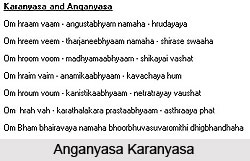
Anganyasa and Karanyasa
Anganyasa and Karanyasa are preparatory rituals in Hindu worship that sanctify the body and hands through the recitation of sacred mantras and symboli...
Related articles in Religion in India
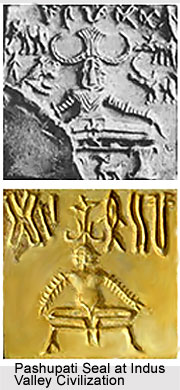
Religion in Indus Valley Civilization
Religion in Indus Valley Civilisation included Hinduism, Buddhism and Jainism. Details about the religion in Indus Valley Civilization have been gathe...
Iyer Brahmin
Iyer Brahmins are originally from Tamil Nadu of South India. They are known for their adherence to Advaita philosophy and Smarta traditions. Tradition...
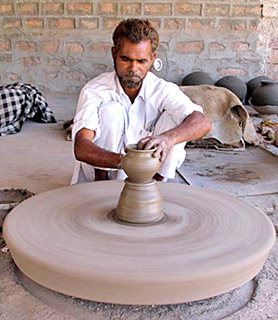
Kumbhakar / Kumhar Caste
Kumbhakar or Kumhar caste is a traditional artisan community in India known for pottery making. Derived from Sanskrit word Kumbhakar, meaning potter,...

Gujjars in Mughal Era
Gujjars in the Mughal era enjoyed great power. Further their power increased with the decline of Aurangzeb, Mughal emperor.
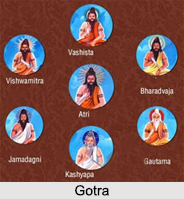
Gotra in Hinduism
In Hinduism, gotra refers to a lineage system tracing descent from ancient sages, primarily through the paternal line. Originating from Vedic traditio...