
About Ayurvedic Diet
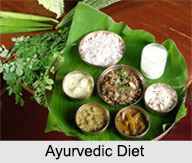 Ayurvedic diet is a holistic health treatment that includes herbs, meditation, massage and yoga. The science of Ayurveda teaches that right diet is the foundation of healing. The ancient Indian science of medicine "Ayurveda" emphasizes that every individual requires balance and considers diet as one of the essential tools for achieving balance. Ayurvedic diet suggests a personalised diet for people whilst considering factors like age and gender, the doshic tendencies that needs to be balanced at a given time, the potency of the body tissues and the digestive abilities.
Significance of Ayurvedic Diet
Ayurvedic diet is an essential form of Ayurvedic treatments as foods provides the nutrients, which are necessary to carry out the activities pertaining to digestion and metabolism. Ayurvedic food is not merely a mixture of proteins, vitamins, fats and carbohydrates but is a basis of energy for the mind and soul. It just not only nourishes the body but also supports in restoring the balance of Tridoshas which is again a must thing in maintaining health.
Ayurvedic Principle of Diet
An Ayurvedic diet is complete only when a wide variety of food is consumed which balances the nutritive content required by the body. Any diet, which solely concentrates on one type of food, is incomplete as it is unable to balance all aspects of the physiology.
Charaka opines that whilst considering ayurvedic diet it is also necessary to be equipped with certain utensils in the kitchen. Typically referred as the Ayurvedic kitchen, this further adds to the holistic development of the body. The selection of spices is also important for preparing a healthy Ayurvedic diet. In Ayurveda it is recommended to take the diet at the correct time.
Ayurvedic Diet for Doshas
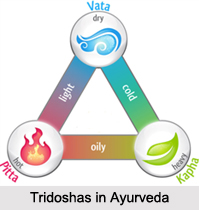
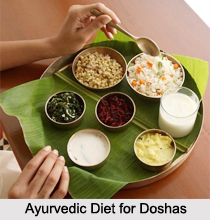 Ayurvedic diet for Doshas recommends certain forms of specific ayurvedic diets, meant for the various types of mind and body principles. The Ayurvedic diet is one that not only nourishes the body, but also restores balance of "Tridoshas" which is very much essential for maintaining health. According to the ancient science of Ayurveda, doshas are of three kinds: "Vata", "Pitta" and "Kapha". Ayurvedic diet for these doshas includes a series of several kinds of fruits, vegetables, spices and beverages which prevent the aggravation of the different kinds of doshas of a human body. Depending on our dosha, or constitutional type, some foods can be beneficial, and others should be avoided. A nutritious and healthy ayurvedic diet would ensure that all the doshas are in perfect balance for the overall nourishment of man.
Ayurvedic Diet for Vata Dosha
Milk products like ghee and food grains like rice, wheat, and oats must be consumed by people with Vata doshas. Bananas and vegetables like beans, cucumber, sweet potatoes, carrots, asparagus, ladies` finger, onions, beets and radish are known to pacify Vata doshas. Raw salads, raw vegetables, desserts and cold foods should be eliminated from the ayurvedic diet. Brown rice, alcohol, leafy green vegetables, cauliflower, cabbage and tea brewed from long leaves should be avoided at all costs, to keep Vata dosha under control. Spices like saffron, turmeric, fenugreek seeds and coriander leaves should not be consumed.
Ayurvedic Diet for Pitta Dosha
Ayurveda recommends that a person in whom the Pitta dosha is dominant should consume those foods, which aggravates Pitta. Such a person should take cool, dry, heavy, bitter or astringent food and also mildly natural sweet food is known to pacify pitta. Coriander, cumin, cardamom, coconut oil, ghee and boiled vegetables are quite beneficial for people with pitta dosha. Rice, oats, barley, garlic and ginger are some of the foodstuffs which should be avoided by people with this kind of dosha. Unripe and sour fruits should not be consumed by such person and mainly fruits like grapefruits, papayas, bananas, apricots and peaches. Junk food like pizza, burger, hot dog, roll, samosa, pastry and deep-fried snacks generally elevates Pitta dosha. Grains like brown rice, millets, rye and corn also increases Pitta dosha.
Ayurvedic Diet for Kapha Dosha
The basic qualities of the Kapha dosha are cold, heavy and somewhat sticky. Puffed rice, corns, chillies, ginger, turmeric, butter, ghee, oil and fruits like apricots, pomegranates and dried fruits like raisins, figs, pears and several other fruits are advantageous for kapha dosha. Milk products, avocados and garlic are a few of the ayurvedic foods which help this dosha. Vegetables having too much water within them and sweet juicy fruits also aggravate Kapha dosha. Excess salt also increases Kapha dosha.
Different foodstuffs may cause specific doshas to increase or decrease. Salty, sweet or sour foods are preferable for balancing the vata dosha. Similarly, milkproducts, rice, wheat and several kinds of food cooked with oils or ghee pacify pitta dosha effectively. Dry fruits and food-grains like barley, rye and buckwheat, sunflower seeds, pumpkins and all sorts of herbs and spices are essential ayurvedic diet for controlling kapha dosha. Fresh fruits and beverages like milk, lukewarm water, ghee and dry fruits are generally recommended as a suitable ayurvedic diet for all the doshas.
Ayurvedic Diet for Body Care
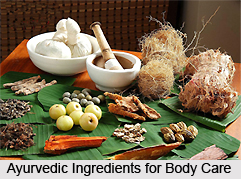 Ayurvedic Diet originated thousands of years ago but is still known to be effective in keeping human mind and body healthy. Some shloka from Charaka Samhita illustrates the concern of the masters with the preventive side of medicine. The ancient writings of Ayurveda contain detailed instructions about personal hygiene and food that promotes health and longevity as well.
Ayurvedic Ingredients for Body Care
Body care and personal hygiene are the prime content in Ayurvedic texts. Chewing of various spices and nuts is recommended for clarity of the voice, a pleasing taste, and also fresh smell in the mouth. Gargling with sesame oil is said to heighten the strength of the jaws. Sesame oil also gives depth to the voice and even results in becoming the face plump.
Regular oiling of the hair and the ears, and periodic oil massages are a part of the normal recommended body care. These are very useful to get a healthy body. Massage makes the physique smooth, strong, and charming, and prevents the attack of age. Scents and garlands of flowers are said to stimulate the libido. It often spread fragrance in the body, and enhances longevity and charm as well.
An Indian psychiatrist was surprised to find the following description of a tongue scraper, which he had not seen in use in any other country. The description is given in the Charaka Samhita. Tongue scrapers should be curved and not sharp-edged. These are to be made of metals like gold, silver, copper, tin, and brass. The dirt that deposited at the root of the tongue obstructs expiration and gives rise to a foul smell. Owning to these reasons the tongue should be scraped regularly.

Dietetics in Ayurveda
Dietetics, or Pathyapathya, forms an integral part of Ayurveda. Ayurveda gives a general description of foods that promote health and others which should be avoided or taken meagrely. The ancient texts also give instructions about foods that should be allowed to the patients according to the nature or severity of the malady. It also illustrates those foods that should be banned. Some medicines are to be taken with certain specific foods such as buttermilk or kanji i.e. fermented substances. Certain drugs and formulations are administered to the patient in conjunction with certain foods. If someone is not taking the food properly, the drugs do not have any curative effect.
In the ancient texts, no section on any disease is complete unless the pathyapatha is discussed. The acharyas or teachers knew the specific qualities of the foods and their curative value. When they were given in conjunction with the drugs, they helped to cure the patient quicker than it would have been possible if those foods had not been given.
In the collections of Charaka, Sushruta, Vagabhata and others, separate chapters are devoted to the various foods and their effect on the human body. Both vegetarian and non-vegetarian foods have been discussed and recommended for the various physical states. Non-vegetarian diets are particularly recommended in diseases like consumption where the wasting of the flesh is evident. In that case the body has to be repaired by strengthening the mamsa dhatu.
Ayurvedic Diet for Indian Seasons
 Ayurvedic diet for Indian seasons includes a healthy diet plan for all the Indian seasons, namely summers, monsoons, autumns, winters and springs. The science of Ayurveda teaches that right diet is the foundation of healing. This natural medicinal science emphasizes on the significance of a nutritious diet for maintaining the physical and mental stability of the human body, throughout the year. Seasonal ayurvedic diet is based on certain determinants like age, gender, immunity and various "doshas" which are associated with the potency of body tissues. With a tradition of more than 5000 years, Ayurvedic Diet is a holistic health treatment that includes; herbs, meditation, massage and yoga.
Ayurvedic Diet for Monsoon
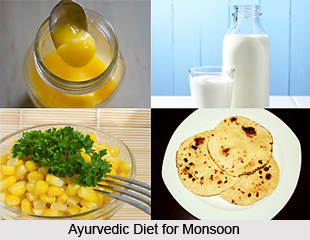 Ayurvedic diet for monsoon is very important to maintain as this is the time when vata is aggravated, pitta is accumulated, and kapha is pacified or controlled. Also, during monsoon, the weather is wet, soggy and humid. The humidity weakens the digestion in this season and exacerbates the vata and creates ama (food is not digested properly). Thus, Ayurveda advises to bring about a moderation in all aspects of life including diet.
Grains like barley and wheat and flesh of animals of janagal desha should be consumed in sufficient quantities. Lukewarm water should be consumed. milk, ghee and plain butter can also be taken. Fish from lakes, which are oily, can be consumed. An important constituent of the diet during the rainy season should be honey. More vata- pacifying foods should be a part of the diet. Hot baths and showers are advised and it should be taken after an oil massage.
Diet Chart for Monsoon Season
This is an average diet chart hence it is advisable to consult with an Ayurvedic doctor before following the chart.
Breakfast: During this season, one should opt for ingredients that are light and are easily digestible. The food should provide quick energy and not lead to lethargy. Barley and gram are such cereals.
Lunch: Lunch should be prepared in such a way that it contains all the six tastes which include sweet, sour, salty, bitter, pungent and astringent. It is good if one begins the lunch with something sweet, followed by the main course containing salty, sour, and pungent foods. End the meal with bitter and astringent items that are easy to digest.
Dinner: Unlike the lunch, the dinner should be very light. Rice and milk should be given prominence. Cereals like corn rotis should also be given importance as they are easy to digest. If one has consumed a heavy snack in the evening then it is advisable to go for one or two bananas and a big glass of milk for dinner.
Food to Avoid During Monsoon
During this season, dry, cold, heavy foods like cheese and curds should not be consumed. Bengal gram, field pea should not be eaten. Fermented and stale foods, and cold, ice beverages should also not be consumed. Afternoon naps should be avoided, as they tend to make the body heavier. Alcohol should be consumed in small quantities.
Ayurvedic Diet for Early Winter
 Ayurveda believes that if the diet is changed according to the season, it helps in maintaining a healthy body. The bodily humour increases or decreases according to the seasons. The frigid temperatures of early winter (November and December) cause tense muscles and runny noses. Vata types might become vulnerable to disease and flu. Kapha types might need to build protective layers of fat, creating ripe conditions for thick mucus. Therefore, a strong diet is required to be followed to maintain a healthy and sound body.
Foods to Include in Diet
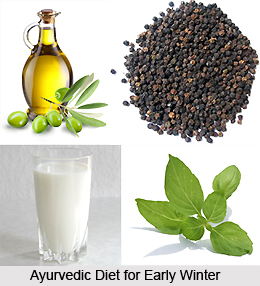
During the early winters, the diet should consist of foods that keep the body warm. At this time, oily, sour and salty foods can be of great help. The food has to be freshly cooked. Healthy oils such as ghee, olive oil, walnut oil, sesame or flax seed oil, raw butter, and coconut oil are also good to use in preparation at this time.
Spices like honey, cinnamon, cardamom, black pepper and ginger can be used for destroying mucus, sore throat, and runny nose. The spices that can be used to keep the body warm are cinnamon, turmeric, cloves and black pepper.
Various preparations of sugarcane, meat soup, milk products and new crops are also to be consumed. Animal flesh and fish found in wells is also ideal for consumption at this part of the year. Fresh herbs like basil, rosemary or sage ensure medicinal help to the body.
During this part of the year, the digestive capacity of a person is stable and therefore alcohol can be consumed in small quantity. Water should be consumed in and it is better to consume lukewarm water. Before one goes to bed, it`s a nice idea to have a cup of warm organic milk with a bit of ginger or nutmeg and a touch of honey.
Foods to Avoid
There are certain foods, which should not be consumed during the early winters like one should avoid dry, cold, light food in excess. Foodstuffs with pungent, bitter, and astringent tastes should be avoided in excess. One should not eat leftovers, raw foods, processed and canned foods. Daytime sleep is recommended in all season except during the summers especially after meals.
Ayurvedic Diet for Spring and Late Winter
 Ayurvedic diet for spring and late winter comprises of various food patterns that are essential for the proper well being of the health. During this season, the accumulated kapha is aggravated due to the heat of the sun. Therefore, Ayurveda recommends a kapha pacifying diet.
A kapha pacifying diet emphasises on warm foods and hot beverages and encourages eating of minimum oil and fat. Freshly prepared vegetables and legume dishes, with proportionately smaller amounts of grains and fruits are good for the spring and late winter diet. It also says that the food should be spiced according to taste.
Food of Ayurvedic Diet
Food, which contains grains like barley, rye, millet, quiona, buckwheat and wheat, should be consumed during spring and late winter. Consumption of sidhu that is wine prepared from sugarcane is also allowed for the season. Animals, which live in dry places, like fowl, rabbit, lamb or venison can be eaten but red meat is to be totally avoided.
The late winters are the coldest part of the winter. During this part of the year, the vata is most aggravated in the body. The body gets dry and there is a need to take a special care for the diet. It is during this part of the year sweet, sour and salty foods are to be eaten.
During the shishir ritu or the late winters, oily fresh and warm food should be eaten. Heavy foods such as flesh of lamb, pork is also to be eaten. Fish from the lakes being sweet, oily and nutritious can be consumed.
Food to Avoid during Spring and Late Winter
There are certain foods that should be avoided during this season like cold drinks, cold food, and frozen desserts, such as: ice cream, popsicles, frozen yogurt, etc. Dry, light, fermented and stale food should also not be eaten. Pungent, bitter and astringent food should not be consumed in excess. Flesh of animals like deer should also not be consumed. Heavy, oily and cold food is to be avoided. Also staying away from canned, bottled, or pack-aged foods, frozen foods, processed foods, rich, creamy foods is good for the body.
Ayurvedic Diet for Autumn
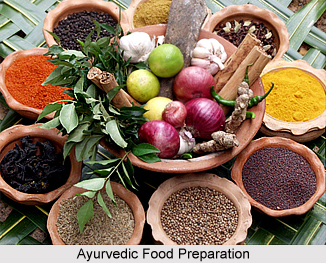 Ayurvedic diet for autumn or Sharad ritu should comprise of sweet, slight bitter and light foods. Sharad ritu is a period of transition from pitta dosha to vata dosha. Pitta dosha is the physiological functioning, which governs transformation and metabolism. Vata dosha has an aggravating influence on the mind and body. Therefore, it is the season to calm both pitta and vata.
Food of Ayurvedic Diet
During this season, one should take plenty of sunlight to avoid mood swings that come during the winter season. Also people should opt for nourishing foods as autumn is a season of deficiency and change. In Ayurveda, nourishing foods means ojas building foods. Ojas building foods include of root vegetables such as carrots and beets and hard winter squash like pumpkins and butternut squash that keep people healthy and fit. Some of the fruits and vegetables that can be consumed during autumn are as follows:
Carrot: Consumption of carrot during autumn ensures various benefits like it improves vision, prevents cancer and makes the skin glowing.
Apple: Apple is considered as the sweet gift of autumn. This nutrition enriched fruit fights colds, viruses and cancer. The nutrients in apples can also prevent spikes in blood sugar and reduce the risk of many diseases.
Winter squash: Including winter squash in the Ayurvedic diet is a good idea as it contains much more beta-carotene and more of several B vitamins than summer squash. It has rich flavour and is high in nutrients.
Cabbage: Cabbage is enriched with fibre, vitamin K and C and has cholesterol-lowering benefits.
Pomegranate: The health benefits of this fruit are extremely helpful during autumn and winter. It is a good source of Vitamin C and rich source of soluble and insoluble dietary fibres. Pomegranate is especially good for women as it can act as a natural hormonal regulator.
In terms of meat, the flesh of rabbit and fishes living in spring water can be consumed during autumn. These two food items are nutritious for the mind and body during this season. Grains like barley, ragi and wheat can be eaten. Oily food can also be consumed like animals with oily flesh. It is the time to reduce weight and tone the body because one can exercise during this season without getting worked up. Lukewarm beverages can be taken throughout the day. In the evening, one can consume tea made with cumin seeds. Before going to bed it is better to consume hot milk with few threads of saffron.
Food to Avoid During Autumn
In this season, curds and fermented foods should be avoided. Foods, which are alkaline in nature like radish, salts, drumsticks and ginger, are not to be consumed. Vegetables like tomato, brinjals, ladies finger, chillies should also be avoided. Beverages containing sour fruits should also not be taken.
Ayurvedic Diet for Summer
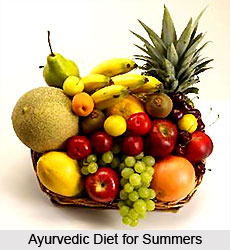
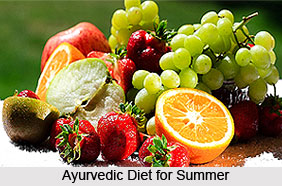 Ayurvedic diet for summer should include lots of cool beverages as it is extremely hot during this point of the year. The summer season or the "greeshma" ritu is the peak of the pitta aggravation therefore a shift from the regular diet is desirable.
Food of Ayurvedic Diet
Cold and oily food should be consumed like milk, ghee prepared from cow`s milk, as these food items are all good for the pitta. Cool beverage should be consumed in excess like buttermilk, which will help to keep the body cool. Mango rose, rose petal jams are also ideal drinks for the season. Black tulsi seeds, if added to any cool drink will be delicious as well as refreshing. Fruits like mangoes and pomegranates should also be consumed. Fish from ponds, which is oily and sweet, can be consumed. Flesh of animals from "jangal desh" like chicken can also be consumed. Sweet foodstuffs can also be taken during this season but it should be in accordance with the agni which is digestive fire according to Ayurveda. Some of the fruits and vegetables of summer Ayurvedic diet with their benefits are as follows:
Mango: Mango is the richest sources of vitamin A and vitamin C and minerals namely potassium, calcium and phosphorus. It prevents cancer, lowers cholesterol, clears the skin, and alkalizes the whole body.
Cherry: This nutritious fruit is enriched with good source of potassium which helps to lower blood pressure by getting rid of the excess sodium in the body. It also fights cancer and helps to get good sleep.
Lemon: The vitamin C enriched lemon also contains other vitamins in high amounts such as Riboflavin, Vitamin B, Calcium, Magnesium, Phosphorous and many proteins and carbohydrates. Lemon treats asthma, reduces pimples, clears dandruff and removes blackheads. Drinking lemon juice during summer can be of great relief.
Watermelon: Watermelon is a great source of water and electrolytes to beat the tropical summer temperatures.
Food to Avoid During Summer
Ayurveda recommends avoiding alcohol and flesh of lamb, beef and pork during the summer season. Spicy, dry, hot and fermented food should also not be taken. Spices like ginger, black pepper and foods, which are salty, sour and pungent, should also be kept off. These foods are mainly avoided to pacify the pitta. Exercising during the daytime is also perfect for the summers.