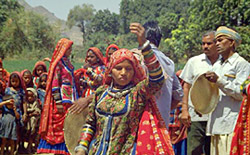
 Indian folk and tribal art have been thriving in the country since time immemorial and have been prominent in multiple vibrant forms which include paper-art, paintings, pottery crafts, metal crafts, toys, weaving and jewellery crafts. These varying art-forms are the rich reflections of the numerous customs, rituals and traditions which are followed by the inhabitants of the country - displaying unity in diversity. Folk and tribal arts of India have undergone transformation since a long time. They have evolved along with classical art. Tribal and folk art belong to the section of people who belong to different social groups and it has a native flavor. Tribal and folk art has the inclusion of fairs, festivals, local deities, fantasy in their representation. Indian art cannot do away with this section that has a regional and a mystic aura in it. Nomadic way of life is also an integral part of the folk arts, which was particularly practiced by nomads who were fond of traveling over the hills and valleys of India.
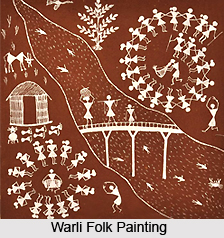
The different folk arts of India are immensely admired not only by the natives of India but also overseas due to their rare and aesthetic appeal. Bright, colourful motifs decorate the rural folk paintings, which also contain traces of religious designs. Pithora Paintings of the tribes of Rathwa, Bhilal and Nayaka of Gujarat and Madhya Pradesh, are another excellent instances of Indian tribal art. These paintings convey the joy and celebration of the community. Tribal paintings from Odisha, earlier practiced as house-hold decoration, but now a commercial art-form done on raw silk fabric display themes of everyday life. Madhubani paintings depict bright, lively deities, most popularly Krishna and his beloved Radha, and various stories associated with their legend. They are named after the village of their origin. Others like Phad, Warli, Pithora, Choittora also fall in this category of Indian art.
 Also popular as `
 Indian