 The Hindu religion is famous example of worshipping over 330 million deities. Each deity or god has his own identity and the names are associated with their power. Since ancient days, the sages and seers sensed god everywhere, he is considered to be omnipresent as well as omnipotent. Gods enjoy a chief position in the Hinduism. Indian Puranas describe the significance of Gods. Puranic Deities in India include both male and female goddess. In the Puranic texts, the immense supremacy of these gods and goddess are described profoundly.
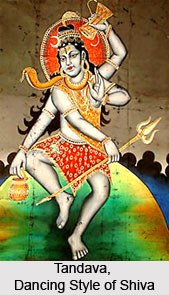
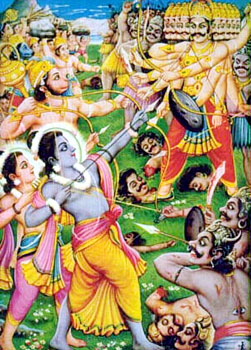
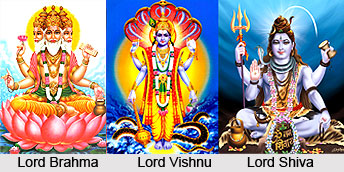
The Indian Puranas narrate the stories and myths of Vishnu and Siva who were visualized as forming a triad with Lord Brahma. These Puranic Deities in India evolved during the period of 4th or 5th century A.D. Various legends are associated with the deities of the Puranic Period. Lord Vishnu, the minor Vedic deity was identified with Vasudeva. He is believed to have ten incarnations (avataras) and Krishna emerged as an incarnation too. Lord Shiva, another Puranic deity is the ancient fertility god. He is worshipped in various forms.
The female ensemble of Siva, Shakti or Goddess Durga in association with her male deity is also regarded to be among the Puranic Deities in India. She is regarded as the source of power. In addition to that Shaktism and development of Tantrism stresses on the power of Goddess Durga. Other gods and goddess are also worshipped as the Puranic deities. There are gods for vegetation, gods for weather, gods for nature, gods for geographical areas, gods for villages as well as gods for the house. Furthermore, the Gods infuse art and creativity and provoke destruction too. Thus lots of deities found their place in the Puranas and in other Hindu mythologies.
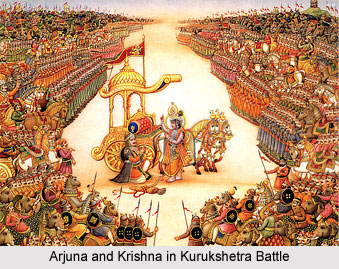
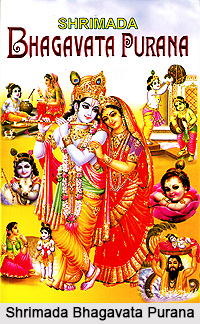
Puranic Deities in India embrace a widespread devotion for Lord Krishna. There is a cultural acceptance of an aspect that Krishna is the incarnation of Vishnu and came down to earth to liberate all sufferings from the human world. Vedanta also allows the perfect existence of Gods. Every religious text narrates certain glories of the gods and goddess. Lord Soma is one such God referred in the Veda. Soma is an intoxicating drink, which was used in sacrifices. Many hymns in the Rig Veda are dedicated to Soma. Lord Ganesha is another deity of importance found since the Puranic days.
Goddess Manasa, Goddess Gayatri , Goddess Ganga, Lord Hanuman , Lord Indra , Lord Yama, Lord Kamadeva, Lord Kubera , Lord Narada , Lord Varuna and Lord Viswakarma are among the Puranic Deities in India. All of them are the almighty and according to mythological beliefs the soul of a human being finally mingles with the absolute.