
In the post-Mauryan period trade with central Asia begun. Ancient India had two internal land routes. They are Uttarapatha and Dakshinapatha. Uttarapatha connects northern and eastern parts of India with the north western fringes. Dakshinapatha, connected the peninsular India with the western and northern parts of India. This route connected north and South India.
It was further connected with Pratishthana that was the capital of Satavahanas. The Dakshinapatha was further connected with Pratishthana, the capital of the Satavahanas.
More and more sea voyages were used for trading purposes. Important ports on the western coast were Bharukachchha Sopara, Kalyana, Muziris. From these ports ships sailed to the Roman Empire through the Red Sea.
Trade with Southeast Asia was through the sea. The well-known ports on the eastern
Coast of India was Tamralipti (West Bengal), Arikamedu (Tamil Nadu Coast). There was sea trade between Bharukachchha and the ports of Southeast Asia
Trade survived between India and the west where the Roman Empire was at its peak.
Initially it was carried out through land but later on the focus shifted to sea routes. Ships could move directly from Indian ports to the ports on Red Sea and Persian Gulf. Romans required Indian products such as spices, perfumes, jewels, ivory and fine textiles like muslin. Spice trade with the Roman Empire was based in south India. Several precious and semiprecious stones like diamond, carnelian, turquoise, agate, sapphire etc, besides pearls, indigo, sandalwood and steel were imported. Romans exported gold and silver to India. Other items of export from the Roman Empire included wine. Western traders also brought tin, lead, coral and slave girls.
There was an immense increase in production of crafts. There were separate artisans working in gold, silver and precious stones. Ujjain was a bead making centre.
Textile industry was also a major one. Mathura and Vanga were famous for variety textiles produced. There are numerous inscriptions which refer to the donations made by artisans to monasteries.
Merchant communities were organised that was known as Shreni or guilds that was headed by sreshthi. Another type of commercial group was known as sartha which signified caravan trading corporation that comprised of traders from different regions. This was headed by sarthavaha. All craft vocations were also organised into guilds each being headed by Jyestha. It included weavers, corn dealers, bamboo workers, oil manufacturers, potters and so on. These guilds were associations of merchants and craftsmen following the same profession. They also served as banks and received deposits from the public on a fixed interest rate.
Trade in Post Mauryan Period
Trade in post Mauryan period witnessed a considerable growth internally and externally.
Recently updated articles in History of India
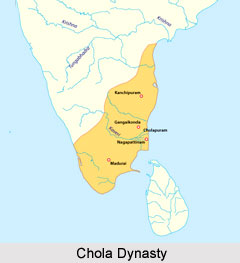
Chola Dynasty
Chola Dynasty is a Tamil dynasty and had longest duration of ruling in parts of South India. Chola dynasty had ruled South India successfully for a ex...
Suhungmung
Suhungmung was the fourteenth ruler of the Ahom dynasty who ruled from the period 1497 to 1539 AD. His reign was significant in terms of expansion of...
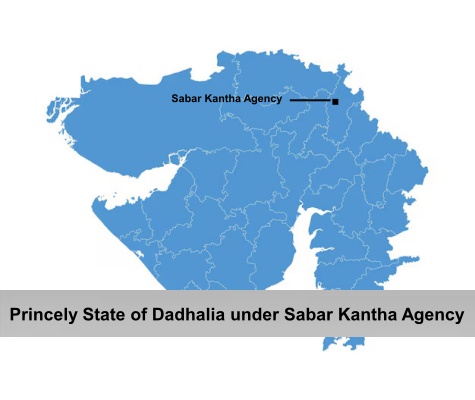
Princely State of Dadhalia
Princely State of Dadhalia was located in the present state of Gujarat. The state covered a total area of 28 sq miles and comprised of 15 villages. Th...
Princely State of Rupal
Princely State of Rupal was a part of the Baroda Agency, a sub division of Western India States Agency. It was under the administrative control of the...
Archaeological Sites of West Bengal
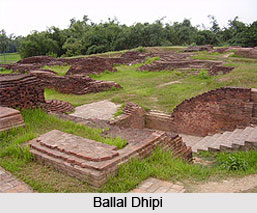
Archaeological sites of West Bengal reveal several aspects of ancient India. Excavations by the Archaeological Survey of India have furnished artefact...
Related articles in History of India

Mughal Architecture during Babur
Mughal architecture during Babur marked the foundation of a new architectural era in India, blending Timurid, Persian, and local influences. His reign...

Architecture during Sayyid and Lodi Dynasty
Architectures during the Sayyid and Lodi dynasty were mainly the tombs and monuments for the dead rulers. It were carefully designed and meticulously...

Brahmanical Sources of Ancient History
Brahmanical Sources of ancient history are contained in the Vedas and they constitute one of the most important literary sources of information about...

Coins of Chola Empire
Coins of Chola Empire were issued in gold, silver and copper and carried the Chola emblem.

Coins of Khilji Dynasty
Coins of Khilji Dynasty had an influential feature that was followed by the other dynasties.