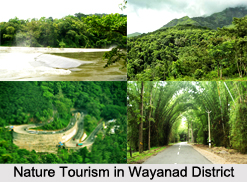
Tourism in Wayanad district offers a golden opportunity to the tourists who would love to be regaled by the hilly and misty beauty of this place in Kerala. The tribal arts of Adiyar and Paniyar tribes nestled in the hills of this region are the hallmarked tourist attractions of Wayanad district. A tour to this district would showcase the enigmatic panorama to a tourist.
The hills, rocks and valleys contribute to the very unique character of Wayanad district, thus providing the opportunity for the exploration of tourism. The name of the district `Waynad` is derived from the term `Wayanadu` which means land of paddy fields and the name is justified with the lush, green scenic fields. The climate of this district is alike the hill stations in south India. It offers a panorama of undulating hills and dales. The hills, which might have been thick forest once, are now plantations of coffee, tea and cardamom. Tourism in Wayanad district virtually depicts the luxuriant greenery that is predominant in this district.
Pilgrimage Tourism in Wayanad District
Other than the natural sites in Wayanad district, there are also many prominent pilgrimage places in the region. Thirunelli Temple is fine specimen of classical Kerala Temple Architecture, which is placed among the mountains and forest. This ancient temple is situated at the side of a river, which is dedicated by Brahma to Vishnu in the form of Chaturbhuja. The temple is often referred to as Dakshina Kasi or the Kasi of South, this temple draws pilgrims from all over India. A clear mountain spring known as Papanasini lies close to the Thirunelli temple. A ritual dip here in this water is believed to wash away all the sins. The two main festivals celebrated here at the time of April and August-September.
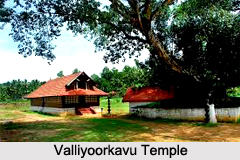
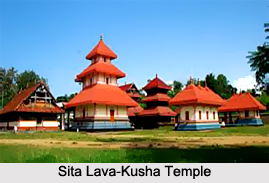
Valliyoorkavu Temple is an important place of worship for the tribal communities in Wayanad. This is dedicated to Mother Goddess in her three principal forms of Vana Durga, Bhadrakali and Jala Durga. The annual festival is celebrated till long fifteen days during March-April. Sita Lava-Kusha Temple is the only temple dedicated to Lava and Kusha, the sons of Lord Rama. Local legends connect this region with many important episodes from the Ramayana. The Pazhassi Raja used to worship Lord Rama and from that time this temple has traditionally permitted entry to devotees from all faiths.
The architecture of Thrissilery Shiva Temple is related with the Vishnu temple of Thirunelli. It is believed that the performance of ancestral rites at Thirunelli remains unfinished unless followed by offerings at this temple. Within the premises there is also a shrine devoted to Jala Durga. It is believed that legendary persona Parashurama installed holy place. There are many myths connected with the temple tank here, which never dries up. Pallikkunnu Church was established in 1905 at the initiative of a French Missionary Fr. Jeffrine. This was dedicated to the Lourdes Matha. An interesting aspect of this church is that it has several rituals and practices similar to those prevalent in Hindu temples. The annual two-week `Perunnal` festival in early February draws large number of devotees from other parts of Kerala, as well as outside.
Sulthan Bathery Jain Temple is one of the most important religious sites amongst a series of ruins spread across the state of Kerala. It gives evidence to a period of a strong Jain presence in this region. The temple was built in the 13th century, which served as a Hindu temple. It also acted as an important center for commercial activity and in due course as a battery or ammunition store for Tipu Sultan`s marching armies. Apart from this temple, there are other significant Jain remnants in Wayanad.
 Nature Tourism in Wayanad District
The Kabbani river of Wayanad is a perennial source of water to the Kaveri River. The other characteristic features are the presence of large numbers of tribals or Adivasis. The district also has small Jain community consisting of Gounders who came from Karnataka. The Jains have built beautiful temples in the district that has an awesome view.
Trekking to the Chembra peak is a risky attempt for mountaineering and also a lovable activity for the tourists. Chembra peak is the highest hill in Wayanad and is near to Meppady town. Trekking to the top of this peak takes almost one entire day. The facilities of temporary camps are there in which tourists can stay one or two days at the top of the peak. District Tourism Promotion Council provides guides, sleeping bags, canvases, huts and trekking implements on hire. The scenic beauty of Wayanad, visible from the top of Chembra, is very exhilarating and thrilling.
Edakkal Caves are another tourist attraction in Wayanad district. However, the Edakkal cave in the Ambukuthy Mountain is not a cave in the real sense. It is only a crevice about 96ft. long and 22ft wide in the rock. It is only a fissure made by an area of rock splitting off from the main body that happened due to some natural causes. The rock wall contains some interesting carvings, which represent human and animal figures and objects of human use and symbols. These carvings speak of a highly civilized people of pre-historic age and inspire the archaeologists and historians to rewrite the history of Wayanad and Kerala as a whole.
Muthanga Wild Life Sanctuary is located at 16 km East of Sulthan Bathery, which is very near to the Karnataka border. Wild forests covering an area of 345 sq. km form the Muthanga Wild Life Sanctuary here. This sanctuary is the biggest habitat of wild animals in Malabar. Elephant, spotted deer, bison, tiger, cheetah, wild bear, etc. are found in this sanctuary. The forest Department has arranged the facilities of elephant rides for tourists to promote tourism. Pakshipathalam in the Brahmagiri hills at Thirunelli is a challenging tourist spot for any adventure-seeking tourist. Seventeen kilometers of wild forest have to be covered to reach this spot. The deep rock caves, formed among the thick blocks of rocks at the northern top end of the Brahmagiri, are the abode of various birds and wild beasts. Special permission has to be obtained from Forest Department to go to Pakshipathalam. District Tourism Promotion Council arranges for vehicle, guides, and camping equipments for the tourists on hire.
Sentinel Rock Waterfalls is at Vellarimala village near Chooralmala in Meppadi Panchayat. It is a picnic spot, but trekking can also be done here. There is one rock named as the sentinel rock, which is more than 200 m in height. This rock is ideal for rock climbing. Kanthanpara Waterfalls is relatively smaller than Sentinel Rock Waterfall and also less explored. Kanthanpara and its surroundings are very pleasant. This place is perfect for picnic as it is situated far away from town. The waterfall at Soochippara near Meppadi is really a treasure of nature. The stretch of waterfalls ranges at places from 100 to 300 feet height. The pool below can be used for water rafting, swimming, bathing and other water sports. The tree top huts at Soochippara give a unique view of the valleys of the Western Ghats and the glimmering shallow waters of the surrounding springs. Banasura sagar Dam is the largest earth dam in India. The topography of this place is such that many islands will be formed in the upstream of the dam when the dam is full. These islands with the background of the Banasura hill will provide a mesmerizing sight to tourists.
Leisure Tourism in Wayanad District
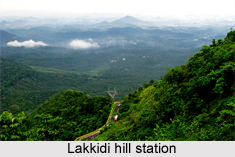
Kuruva Island is 950 acres of evergreen forest situated on the tributaries of east flowing river Kabani. Far away from the disturbances of city life it is an ideal picnic spot for the tourists. The island is isolated and also scarcely populated. Rare species of birds, orchids and herbs are the sovereigns of this supernal kingdom. It is placed at 17 Km east of Mananthavady and 40 km Northwest of Sulthan Bathery. Lakkidi has very pleasing scenery. It is about 58 km northeast of Kozhikode and five km south of Vythiri. Lakkidi, which is called as the gateway of Wayanad, lies atop Thamarassery, a ghat pass at an elevation of 700 m. above mean sea level. The high mountain peaks, the lovely stream, luxuriant vegetation and the bird`s eye view of the deep valley on the south, with its winding roads, are real wonders for the tourists. The 12 km long journey starting from Adivaram to Lakkidi through Ghat road with nine hairpin bends amidst thick forests is a fascinating experience.
Pazhassi Raja Tomb at Mananthavady is a good picnic destination. This is situated in north Wayanad. There is a good aquarium, which attracts the children very easily. Coin-operated toys for children and boating facilities for tourists are also available. Pazhassi Raja, the Lion of Kerala, who organized guerilla type warfare against British East India Company, was cremated here in 1805. Pookot Lake It is a natural fresh water lake, filled with ever green mountains. Here the weather is sensational, the scenic beauty is hypnotizing and the nature is still unspoiled. Pookot lake tourist resort in Vythiri is the most desired tourist spot of Wayanad. There is an aquarium and a green house where boating facilities are also available. Spices and handicraft items are also arranged for sale at Pookot.
 Visiting Information on Wayanad District
How to Reach
Visiting Information on Wayanad District
How to Reach
Reaching Wayanad district is possible from anywhere in India.
Air: The nearest airport is at Kozhikode, Calicut and is at a distance of around 100 kilometers from Wayanad.
Rail: The nearest railway station is also at Calicut. Wayanad district is well connected by extending railway network.
Road: Many roads connect this district to various parts of the state. This district is well connected from places like Kozhikode, Ooty, Mysore and Bangalore. National highway, like, NH 212 connects this district to several other cities and states.
As far as accommodation is concerned there are resorts, cottages and various hotels to suit every pocket. Glenora Homestay, Stream Valley Cottages, Jungle Park Resort and Tree Houses, Hotel Green Gates, Vythiri Resort, Issacs RegencyWayanad and several others are located in Wayanad. It is also a great place for shoppers. The handicraft and handloom products of this district are highly esteemed ones in south India. The crafts here are mainly made of coconut shells, ivory, canes, wood and metals. Other items like garments, textiles and furniture are also found here in excellent quality and at affordable costs. While Wayanad district can be perfectly explored all through the year it is best to avoid it during monsoons.
Tourism in Wayanad district offers something of interest for all age groups and all kinds of tourists. The nature is found at its best, with provisions for various adventurous and thrilling activities. The heritage and pilgrimage domain is also affluent with marvelous temples that are hubs of celebrations during its respective occasions.

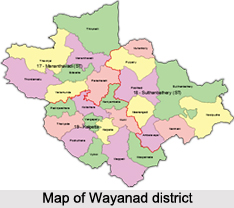 Wayanad District is situated in the northeast of Kerala in south India. This district stands on the southern top of the Deccan plateau and its chief glory is the majestic Western Ghats with superior ridges placed with dense forest, tangled jungles and deep valleys, the landscape is uneven and often rough.
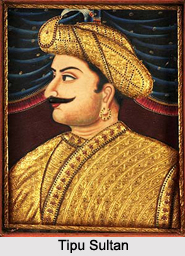 In ancient times the Vedar Rajas ruled the land. Later Wayanad came under the rule of Pazhassi Raja of Kottayam Royal Dynasty. The modern history of the Wayanad district is associated with the events that took place during the Mysorean invasion and the long spell of the British rule stretching over a period of about two centuries. There was stern encounter between the British and Pazhassi Rajah. When the state of
  Wayanad district is situated on the southern top of the Deccan plateau. Its prime feature is the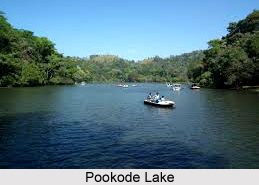
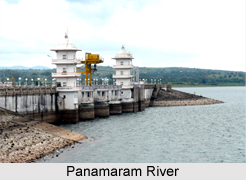 The vegetation of the district of Wayanad is typical of the Western Ghats and the plantation crops grown in the cool climate. A major portion of the district is covered by coffee. Among the trees found here are rosewood, anjili (Artocarpus), mullumurikku (Erthrina), several species of Cassia and many other non-descript varieties which have been preserved to give shade to the
 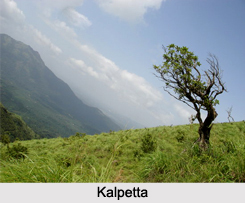 Kalpetta is the headquarters of the Wayanad District Administration with Civil Station and other main offices. The district is divided in to three taluks, names, Sulthan Bathery, Vythiri and Mananthavady with an order to smooth running of the revenue administration. There are six firkas and 49 villages under these taluks. There is only one Revenue Divisional Office in this district that functioning at Mananthavady. The Wayanad District Panchayat office functions at Kalpetta near Civil Station. There are three Block Panchayats and 25 Grama Panchayats in this district. The block panchayats includes Sulthan Bathery, Kalpetta and Mananthavady while Kalpetta is the only Municipality in the district.
Agriculture in Wayanad district .
Kalpetta is the headquarters of the Wayanad District Administration with Civil Station and other main offices. The district is divided in to three taluks, names, Sulthan Bathery, Vythiri and Mananthavady with an order to smooth running of the revenue administration. There are six firkas and 49 villages under these taluks. There is only one Revenue Divisional Office in this district that functioning at Mananthavady. The Wayanad District Panchayat office functions at Kalpetta near Civil Station. There are three Block Panchayats and 25 Grama Panchayats in this district. The block panchayats includes Sulthan Bathery, Kalpetta and Mananthavady while Kalpetta is the only Municipality in the district.
Agriculture in Wayanad district .
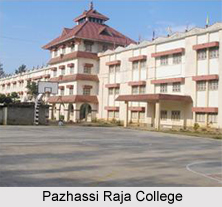 Education in Wayanad district is quite well organised. Wayanad district is a Single Education District. This means that there is one Deputy Director, one District Education Officer and three Assisstant Educational Officers looking to the educational structure and requirements of the entire district. There are a total of 301 Schools in this district, consisting of 149 Lower Primary Schools, 79 Upper Primary Schools, 29 High Schools, 32 Higher Secondary Schools, 6 Vocational Higher Secondary Schools and 6 Special Schools. It has also a District Institute of Education and Training, located at Sulthan Bathery. Besides, a Kendriya Vidyalaya, a Jawahar Navodaya Vidyalaya and 8 CBSE Schools and 1 ICSE School are functioning in this District.
 The flora of Wayanad is distinctive because of
 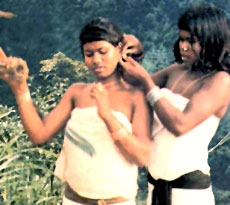 The Adiya tribe is also like the Paniyas. This is also one of the slave tribal wings in Kerala. In the nuclear Adiya family the husband is the head of the family. Bride price is given to the parents of the bride from the groom. Polygamy is practiced as well as Divorce, widow marriage, etc., are also permitted. Even if their women commit such offences they are allowed to undergo "purificatory" ceremony known as `Kalachu Veypu` to join their community back. The Adiyas call such women as `Chullachi`. The Adiya tribal community is divided into 20 classes called `Mandu` whereas the head of the Mandu is called `Chommikkaran` or `Peruman`.