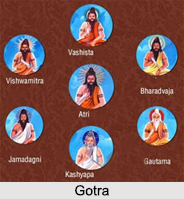
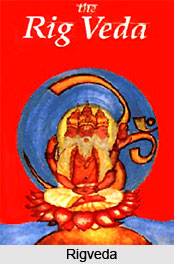
 Teachings of Hinduism are visible in the religious texts like the Vedas and the Upanishads. The hymns of Rig Veda are beautiful songs of praise to natural forces emphasizing their character and beauty. The cardinal rule of Pantheism is one of the major contributions of these texts. The Upanishads provide a mass knowledge regarding cosmogonies and theories concerning man`s origin. The main object of the Upanishads is considered as the discovery of a method of escaping from the transmigration and resting in the arms of unconsciousness.
Man has been taught that he should neither love or hate, hope nor fear, as the utmost freedom from all emotion, is the nearest approach to eternal unconsciousness. It has been claimed that one who would be able to attain this state must go through six successive courses of penance spanning duration for twelve years. He should meditate upon Brahma only. He may perform the necessary penance in future provoked by transmigration.
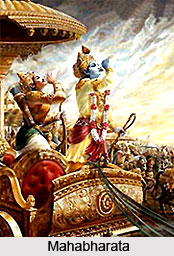 The great epics of India - the Ramayana and the Mahabharata teach the philosophy of self-discipline and humiliation which should be followed until a condition of complete indifference is attained. It is ascertained that if the gods in the Hindu pantheon is propitiated by oblations, the Supreme Lord is gratified. The early Vedic worshiper paid his homage to the sun and moon or other forces of nature. However later it changed to idol worship which created confusion and squabbles and birth of new faiths.
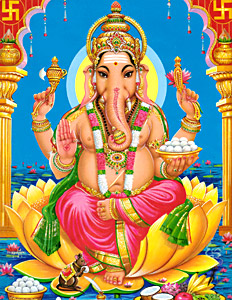
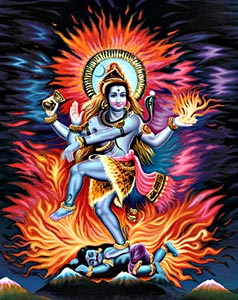
Yoga is one of the mediums to reach the goal of life which have been mentioned in the Vedas, Bhagavad Gita and Yoga Sutras. A devotee learns through yoga and meditation to be at peace with himself and with his Creator. Hinduism developed system of symbolism and iconography to represent the holiness in art, architecture, literature and worship which gained their meaning from the scriptures, mythology and cultural traditions. The rituals practiced by most Hindus today can be attributed to the religious texts.
Karma and Reincarnation are one of the major teachings of Hinduism. According to Karma- `Every action and reaction are opposite and equal`. This is applicable throughout creation and for every thought and action there is an effect. This is intertwined with the concept of reincarnation in which individuals are re-born after `death` in order to continue their spiritual journey to God. Hindus are taught how to be tolerant of other beliefs and ideologies. Realization of God Realization is one of the main aims of existence. One learns that the real values in life that endorses greater wisdom, love, harmony, peace and joy.