Steps in performing a Puja are mentioned in various Hindu religious texts. Any Puja performed for a deity is conducted in the following manner. First comes the `Avahana` where the deity to be worshipped is invoked and a seat is offered called `asana`. Next the deity is welcomed where the devotees honor the deity and anoint or smear with sandalwood paste or vermillion called `svagata`. `Padya` is the next step where the feet of the deity are washed with water.
The next ritual is the offering of water to the god and the water is mixed with sandalwood paste, vermilion and rice, which are called `arghya`. `Achamania`is the washing of the face and mouth of the deity. `Madhu-parka` is the next step where a beverage made of honey `sugar and milk is offered to the deity.
`Snanajala`is the next step of offering water to the deity. `Abharanasya` is the stage where clothes jewels and ornaments are offered. Gandha is where sandalwood paste or any other fragrant object is offered. Akshata again where grains of rice mixed with vermilion are offered. After `abharanasya`is the stage where flowers are offered called `Pushpanjali` , `dhupa` where incense are lit , `dipa` where the lamp is lit ,`Naivedya` where rice, fruit ,butter and sugar are offered .

Visarjana (arati) - After all pujas the last and the final stage where the deity is given a farewell `Visarjana`. All pujas end with arati.
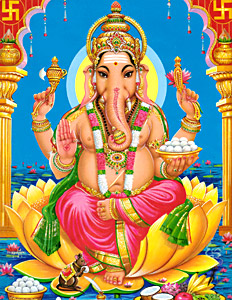
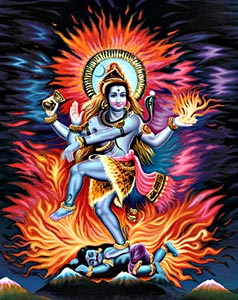
An intermediate Puja includes the steps from Madhu-parka to Naivedya and is performed during fasts .A small Puja involves the steps from Gandha to Naivedya and is performed everyday where the gods and goddesses are honored and respected as guests. In temples, the deities are treated as kings. Though the method of worship is same for all deities, the Puja of each has some differences, for instance, the kind of flowers offered varies from deity to deity.
The distribution of Prasad to devotees and applying of Tilak is the most important part of any Puja. Puja also involves japa or meditation. The most important aspect of Puja is that a devotee should have a pure body and mind. The Puranas lay more stress on the quality of devotion and good behavior than on rigid Puja procedures.