
Shri Atishaya Kshetra Simhanagadde is a Jain pilgrimage centre located in Narasimharajapura in Karnataka. It is an Atishaya Kshetra i.e. Place of Miracles. The presiding deity of the temple is Jwalamalini Devi, the Yakshini of Lord Chandraprabha.
History of Shri Simhanagadde Jwalamalini
According to the history of Shri Kshetra Simhanagadde about 600 years ago in Uttar Kannada District the capital of `Ger-soppa Soduv Empire` was present at distance of 27 km from `Honnavar.` The wife of a Jain king, Queen Channa Vera Devi had constructed 700 temples. However, the Queen was defeated after the attack of Portuguese. They also destroyed the temples. The ruins of these temples can still be seen here. It is said that Muni Chikk Samantbhadra had seen the Jawalamalini in his dreams. In the dreams the deity gave the information that her temple will be soon destroyed. Hence her idol must be installed in a place where cow and lion play together. As instructed Chikk Samantbhadra took the idol from the temple and began searching for the said place. Finally at a distance of 2 km from Narasimharajapura, he found the place where both cow and lion were playing together without enmity. He investigated the place and found the place to bear resemblance to what he saw in his dreams. He therefore got a temple constructed there and installed the idol of Jwalamalini Devi there with much reverence. After the establishment of temple the place was named as Simhanagadde.
Temple of Shri Simhanagadde Jwalamalini
The Jwalamalini Atishaya Kshetra has six temples. These temples are of both ancient and new types. The first temple is dedicated to Lord Chandraprabha. The idol is 4 feet in height and is made of marble. It is seated in a padmasana posture. The temple has been constructed in square area. The main gate of the temple has been designed in a modern style and looks very attractive. The temple is also adorned with sky-high spire and has been constructed by squared stones.
The second temple of this Kshetra is known as Parshvanatha Swami Jain Temple. The principal deity of the temple is Lord Parshvanatha. According to the inscriptions that have been discovered from here, the temple was built during the reign of King Krishnadeo Rai of Vijay Nagar. The inscription can still be seen in this temple. The idol of the temple is 5 feet in height and is in a standing posture. The idol of Parshvanatha was surmounted by 9 serpent hoods. The idols of Goddess Saraswati and Padmavati are also installed here.
The third temple of this Kshetra is the Jwalamalini Temple. The idol is made of bronze and has been beautifully carved. The temple has a huge open space and is also adorned with a pond. Lot of lotus flowers bloom in this pond.
The Bhagwan Shantinath Temple is the fourth temple here. The main deity of the temple is Lord Shantinath. The idol is 4 feet height and is made of marble. The wooden gate of this temple has been magnificently made.
The fifth temple located here is the Muth-Mandir. The ancient idols of Lord Bahubali, Lord Parshvanatha, Lord Chandraprabha, Jwalamalini are installed here.
The sixth temple here is Kshetrapal Temple. It has been built within the premises of Muth-Mandir.
The Shri Simhanagadde Jwalamalini has provisions for dharamshalas or rest houses. These rest houses are equipped with all the modern facilities.
Shri Simhanagadde Jwalamalini temple is well connected to road, rail and air. Buses are available from Shimoga and Birur. Narasimharajapura Bus-Stand is 1 km away from Muth. Auto-Rickshaws are also available from the bus-stand. The nearest railway station is located in Birur that is present on Puna-Bengaluru Line. Buses are available from Birur. The nearest airport is in Bengaluru.
Shri Simhanagadde Jwalamalini
Atishaya Kshetra Simhanagadde located in Karnataka is dedicated to Jwalamalini Devi, the Yakshini of Lord Chandraprabha. Jwalamalini Atishaya Kshetra has six temples.
Recently updated articles in Religion in India
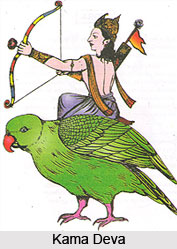
Kusumayudha
Kusumayudha is a name of Kamadeva, the Hindu God of Love. Depicted with a sugarcane bow and flower-tipped arrows, he represents attraction and longing...

Bhoyar Caste
Bhoyar Caste is largely found in the Central Provinces of the country. Traditional occupation of Bhoyars is agriculture. They are good cultivators and...
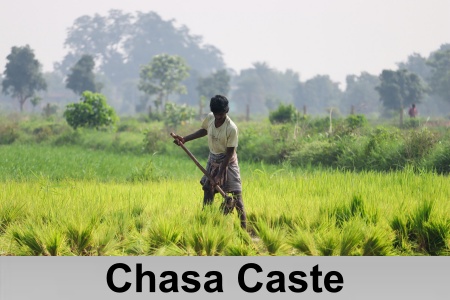
Chasa Caste
Chasa caste is a prominent agrarian community native to Odisha. Traditionally associated with cultivation and farming, Chasas have historically played...
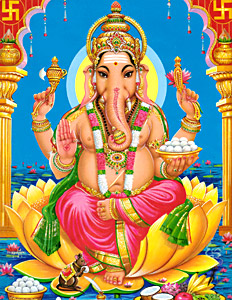
Vigneswara, A Form of Lord Ganesha
Lord Vigneswara is another form of Lord Ganesha or Vinayaka, prominently worshipped as the God of intelligence and good luck in the Indian subcontinen...
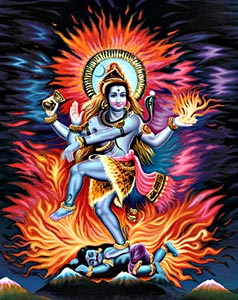
Maheswara
Maheswara, meaning “the Great Lord,” is a revered name of Lord Shiva in Hindu tradition. It represents Shiva’s supreme authority over creation, preser...
Related articles in Religion in India
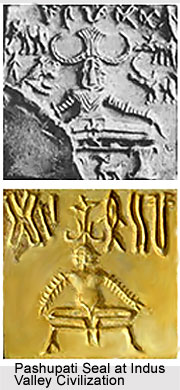
Religion in Indus Valley Civilization
Religion in Indus Valley Civilisation included Hinduism, Buddhism and Jainism. Details about the religion in Indus Valley Civilization have been gathe...
Iyer Brahmin
Iyer Brahmins are originally from Tamil Nadu of South India. They are known for their adherence to Advaita philosophy and Smarta traditions. Tradition...
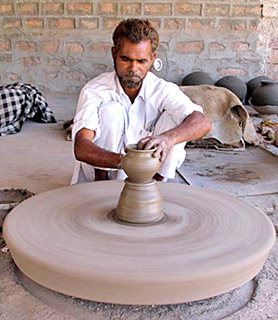
Kumbhakar / Kumhar Caste
Kumbhakar or Kumhar caste is a traditional artisan community in India known for pottery making. Derived from Sanskrit word Kumbhakar, meaning potter,...

Gujjars in Mughal Era
Gujjars in the Mughal era enjoyed great power. Further their power increased with the decline of Aurangzeb, Mughal emperor.
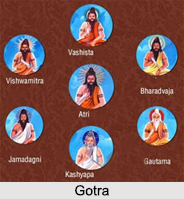
Gotra in Hinduism
In Hinduism, gotra refers to a lineage system tracing descent from ancient sages, primarily through the paternal line. Originating from Vedic traditio...