
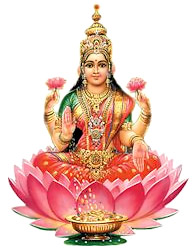
 Padmavati is a titular name, which may be understood of Devi Lakshmi, as seated on a lotus-flower or the padma. It is commonly used to designate a goddess of the Jainas especially at some shrines of the eastern and western Chalukyas. Chalukyas was corresponding with the northern part of Telingana and the southern Mahratta provinces.
Padmavati
Padmavati is a titular name of Devi Lakshmi as she sits on a lotus-flower.
Padmavati is a titular name, which may be understood of Devi Lakshmi, as seated on a lotus-flower or the padma. It is commonly used to designate a goddess of the Jainas especially at some shrines of the eastern and western Chalukyas. Chalukyas was corresponding with the northern part of Telingana and the southern Mahratta provinces.Iconography of Padmavati
Padmavati is a Jain Yakshi and is associated as a subordinate deity with the twenty-third Tirthankara Lord Parshvanatha. She enjoyed an important position in both literature as well as art through the ages. On the merit of the frequency of depiction, Padmavati, at Deogarh, comes next to Ambika and Chakreswari. Padmavati appears to have some affinity with the Hindu goddess Manasa associated with the Naga cult.
The iconographic features of Padmavati have been described well in the Digambara texts. The Pratisthnsnrasamgraha conceives Padmavati in three varieties of form, i.e. the four armed, the six armed, and the twenty-four armed. She is seen sitting on a lotus. The four armed Yakshi is seen bearing a goad, a rosary and a lotus in her three hands. The six-armed Yakshi holds a noose, a sword, a spear, a crescent, a mace and a pestle in her hands. The twenty-four-armed Yakshi is seen carrying a conch shell, a sword, a disc, crescent, a lotus, a blue lotus, a bow, a sakti, a noose, a goad, a ghanta, an arrow, a musala, a shield, a trisula, a parasu, a kunta, a thunderbolt, a rosary, a mace, the paira, the pallava and the varada mudra. In Aparajitaprccha Padmavati is mentioned in a four arm form sitting on a lotus with kukkuta mount. She is seen holding a noose, a goad, a lotus and the varada mudra.
Forms of Padmavati
At Deogarh the figures of Padmavati are of varied form. The images are represented in three varieties of form, namely, the two armed, the four armed and the twelve armed. The two arm form of Padmavati was depicted at the end of the 11th century A.D. the yakshi is seen either riding over a kukkuta sarpa or resting upon a lotus seat. In most of the sculptures she carries a lotus, a mace, a bow, a goad, a noose. These are her distinct symbols. The Yakshi is always adorned with necklaces, stanahara, bodice, armlets, bracelets girdles, anklets, dhoti, and has three or five hooded cobra overhead. However, when she is represented with the images of Lord Parshvanatha all these symbols remain absent. Of the seven Parshvanatha images, six depict the Yakshi with two hands while in one she has four hands.
In two figures Padmavati is seen possessing two arms. These figures are carved on the pillars respectively of the Temple No. 12 and 16. Here she has three headed snake canopy. In the first figure she is seen standing carrying the varada mudra and a long stalked lotus. In the other figure she is seated in lalitasana and is endowed with a diminutive Jina figure at its top. The Yakshi holds a flower and a fruit. The Temple No. 12 depicts the earliest manifestation of Padmavati. Here she is four armed and is in a standing posture. The image is labelled as Parmavati. She holds the varada mudra, a spiral lotus, a shield and a water-vessel. Over her head there is a tiny mage of Lord Parshvanatha.
The other three figures of Padmavati belong to the 11th and 12th century A.D. these have been magnificently carved on the pillars nearby to the Temple No. 1. Here she is seated in lalitasana and is endowed with five-headed snake canopy. She holds a bow, a mace and a noose in her three surviving hands. The mount kukkuta-sarpa is carved underneath the lotus seat. There are images of worshippers standing close to her feet with their hands folded. The remaining two figures portray the Yakshi as sitting on a lotus seat and carrying the varadra-mudra, a padma, and a water vessel. In one of these images a tiny figure of Parshvanatha can be seen endowed with five hooded cobra.
There is only instance of the twelve armed Padmavati. It is carved on the pillar and can be seen near the Temple No 11. The pillar bears an inscription of Vikram Samvat Era 1116. The image is in a rathika with two worshippers in folded hands standing by her sides. She is seated on a lotus in lalittisana and her vuhana, kukkula-sarpa is shown nearby. She carries the oarada-mudru, an arrow, a goad, a long-stalked lotus, a chain, a staff, a chatra, a thunderbolt, a snake, a noose, a bow and a fruit.
The iconographic features of Padmavati have been described well in the Digambara texts. The Pratisthnsnrasamgraha conceives Padmavati in three varieties of form, i.e. the four armed, the six armed, and the twenty-four armed. She is seen sitting on a lotus. The four armed Yakshi is seen bearing a goad, a rosary and a lotus in her three hands. The six-armed Yakshi holds a noose, a sword, a spear, a crescent, a mace and a pestle in her hands. The twenty-four-armed Yakshi is seen carrying a conch shell, a sword, a disc, crescent, a lotus, a blue lotus, a bow, a sakti, a noose, a goad, a ghanta, an arrow, a musala, a shield, a trisula, a parasu, a kunta, a thunderbolt, a rosary, a mace, the paira, the pallava and the varada mudra. In Aparajitaprccha Padmavati is mentioned in a four arm form sitting on a lotus with kukkuta mount. She is seen holding a noose, a goad, a lotus and the varada mudra.
Forms of Padmavati
At Deogarh the figures of Padmavati are of varied form. The images are represented in three varieties of form, namely, the two armed, the four armed and the twelve armed. The two arm form of Padmavati was depicted at the end of the 11th century A.D. the yakshi is seen either riding over a kukkuta sarpa or resting upon a lotus seat. In most of the sculptures she carries a lotus, a mace, a bow, a goad, a noose. These are her distinct symbols. The Yakshi is always adorned with necklaces, stanahara, bodice, armlets, bracelets girdles, anklets, dhoti, and has three or five hooded cobra overhead. However, when she is represented with the images of Lord Parshvanatha all these symbols remain absent. Of the seven Parshvanatha images, six depict the Yakshi with two hands while in one she has four hands.
In two figures Padmavati is seen possessing two arms. These figures are carved on the pillars respectively of the Temple No. 12 and 16. Here she has three headed snake canopy. In the first figure she is seen standing carrying the varada mudra and a long stalked lotus. In the other figure she is seated in lalitasana and is endowed with a diminutive Jina figure at its top. The Yakshi holds a flower and a fruit. The Temple No. 12 depicts the earliest manifestation of Padmavati. Here she is four armed and is in a standing posture. The image is labelled as Parmavati. She holds the varada mudra, a spiral lotus, a shield and a water-vessel. Over her head there is a tiny mage of Lord Parshvanatha.
The other three figures of Padmavati belong to the 11th and 12th century A.D. these have been magnificently carved on the pillars nearby to the Temple No. 1. Here she is seated in lalitasana and is endowed with five-headed snake canopy. She holds a bow, a mace and a noose in her three surviving hands. The mount kukkuta-sarpa is carved underneath the lotus seat. There are images of worshippers standing close to her feet with their hands folded. The remaining two figures portray the Yakshi as sitting on a lotus seat and carrying the varadra-mudra, a padma, and a water vessel. In one of these images a tiny figure of Parshvanatha can be seen endowed with five hooded cobra.
There is only instance of the twelve armed Padmavati. It is carved on the pillar and can be seen near the Temple No 11. The pillar bears an inscription of Vikram Samvat Era 1116. The image is in a rathika with two worshippers in folded hands standing by her sides. She is seated on a lotus in lalittisana and her vuhana, kukkula-sarpa is shown nearby. She carries the oarada-mudru, an arrow, a goad, a long-stalked lotus, a chain, a staff, a chatra, a thunderbolt, a snake, a noose, a bow and a fruit.
Recently updated articles in Religion in India
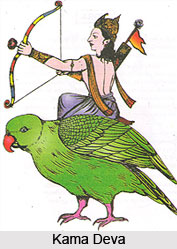
Kusumayudha
Kusumayudha is a name of Kamadeva, the Hindu God of Love. Depicted with a sugarcane bow and flower-tipped arrows, he represents attraction and longing...

Bhoyar Caste
Bhoyar Caste is largely found in the Central Provinces of the country. Traditional occupation of Bhoyars is agriculture. They are good cultivators and...
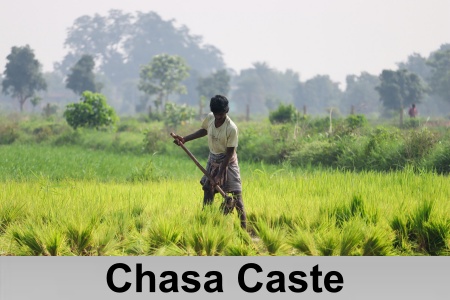
Chasa Caste
Chasa caste is a prominent agrarian community native to Odisha. Traditionally associated with cultivation and farming, Chasas have historically played...
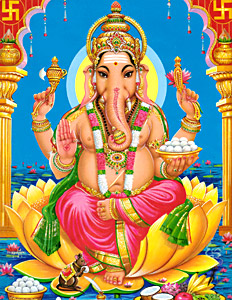
Vigneswara, A Form of Lord Ganesha
Lord Vigneswara is another form of Lord Ganesha or Vinayaka, prominently worshipped as the God of intelligence and good luck in the Indian subcontinen...
Maheswara
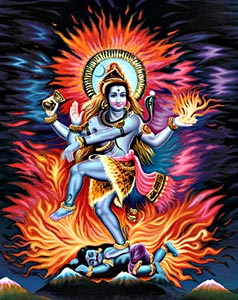
Maheswara, meaning “the Great Lord,” is a revered name of Lord Shiva in Hindu tradition. It represents Shiva’s supreme authority over creation, preser...
Related articles in Religion in India
Religion in Indus Valley Civilization
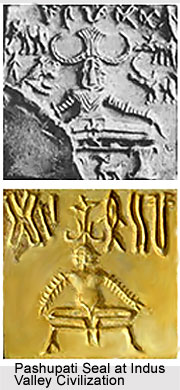
Religion in Indus Valley Civilisation included Hinduism, Buddhism and Jainism. Details about the religion in Indus Valley Civilization have been gathe...
Iyer Brahmin
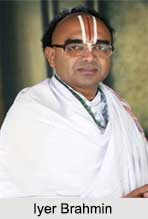
Iyer Brahmins are originally from Tamil Nadu of South India. They are known for their adherence to Advaita philosophy and Smarta traditions. Tradition...
Kumbhakar / Kumhar Caste
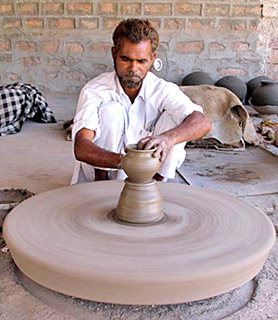
Kumbhakar or Kumhar caste is a traditional artisan community in India known for pottery making. Derived from Sanskrit word Kumbhakar, meaning potter,...

Gujjars in Mughal Era
Gujjars in the Mughal era enjoyed great power. Further their power increased with the decline of Aurangzeb, Mughal emperor.
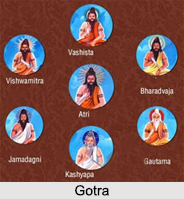
Gotra in Hinduism
In Hinduism, gotra refers to a lineage system tracing descent from ancient sages, primarily through the paternal line. Originating from Vedic traditio...