
Sadhana of Goddess Chinnamasta is primarily based on the texts and manuals compiled by different people. They are designed to assist the devotees to pay their worship to the goddess. In tantrism goddess Chinnamasta is regarded one of the prime deities of worship. Chhinnamasta is related to the concept of self-sacrifice as well as the awakening of the kundalini i.e. spiritual energy. She is considered both as a symbol of self-control on sexual desire as well as an embodiment of sexual energy, depending upon interpretation. She symbolizes both aspects of Devi: a life-giver and a life-taker.
Tantra in Hinduism and Buddhism is primarily a method or practise rather than a specific philosophy. It is actually concerned with the development and implementation of effective methods which would help the practitioner to accomplish liberation from cyclic of birth and rebirth. Tantra incorporates theological and philosophical beliefs from non tantric Hinduism and Buddhism but its emphasis is actual practise. Tantric practitioners perform one or more practises, utilising Tantric methods to attain siddhis, as well as ultimate goal, liberation. Although the texts and methods are both varied and vast, Tantric practitioners follow particular texts or methods dedicated by their spiritual teacher.
Spiritual Practise of Goddess Chinnamasta
Spiritual practises also known as Sadhanas comprises of two broad groups, Yoga and ritual worship or puja. Ritual worship can be divided into three kinds: those performed daily known as nitya puja, those performed on particular dates known as naimittika puja and those performed for the fulfilment of a special desire or for averting misfortune known as kamya puja. In the Chinnamasta Sadhanas the chief focus remains on the daily ritual worship i.e. nitya puja but some naimittika and kamya pujas are also performed.
There are different manuals and texts for worshipping Goddess Chinnamastika. The Sakta Pramoda is one such manual that was compiled by king Devanandanasimha of Muzaffarpur during the nineteenth century. This is considered as one of the well known manuals that is used by the practitioners. The manual relates various tantric rituals for the performance of each of the Ten Mahavidyas along with the five main deities also known as pancha devata. The five deities are Kumari, Lord Shiva, Lord Ganesha, Lord Surya and Lord Vishnu. Apart from the Sakta Pramoda another text prescribed for tantric rituals is the Pracandacandika section of the tantrasara. This was written in the sixteenth century by Krsnanabda Agamavagiasa. The Pracandacandika bears resemblance to the Sakta Pramoda that relates about the pujavidhih. Sri Chinnamasta Nityarcana written by Sri Swamiji Maharaj is yet another text composed for assisting practitioners in their regular worship of Goddess Chinnamasta.
Sadhana of Goddess Chinnamasta
Sadhana of Goddess Chinnamasta is related to the development of useful methods which enables the one to accomplish liberation from cyclic of birth and rebirth.
Recently updated articles in Religion in India
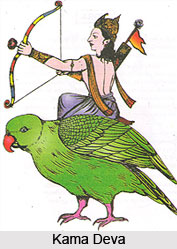
Kusumayudha
Kusumayudha is a name of Kamadeva, the Hindu God of Love. Depicted with a sugarcane bow and flower-tipped arrows, he represents attraction and longing...
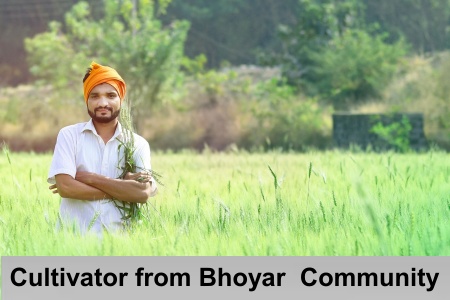
Bhoyar Caste
Bhoyar Caste is largely found in the Central Provinces of the country. Traditional occupation of Bhoyars is agriculture. They are good cultivators and...
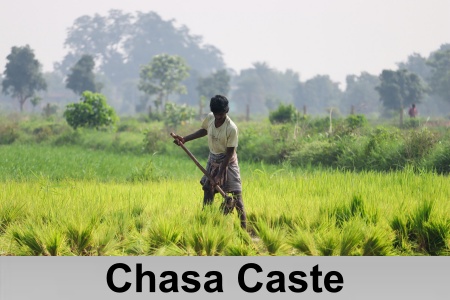
Chasa Caste
Chasa caste is a prominent agrarian community native to Odisha. Traditionally associated with cultivation and farming, Chasas have historically played...
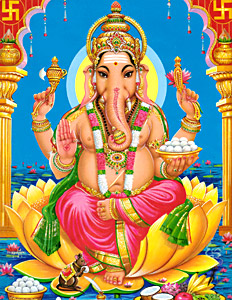
Vigneswara, A Form of Lord Ganesha
Lord Vigneswara is another form of Lord Ganesha or Vinayaka, prominently worshipped as the God of intelligence and good luck in the Indian subcontinen...
Maheswara
Maheswara, meaning “the Great Lord,” is a revered name of Lord Shiva in Hindu tradition. It represents Shiva’s supreme authority over creation, preser...
Related articles in Religion in India
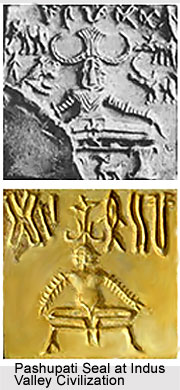
Religion in Indus Valley Civilization
Religion in Indus Valley Civilisation included Hinduism, Buddhism and Jainism. Details about the religion in Indus Valley Civilization have been gathe...
Iyer Brahmin
Iyer Brahmins are originally from Tamil Nadu of South India. They are known for their adherence to Advaita philosophy and Smarta traditions. Tradition...
Kumbhakar / Kumhar Caste
Kumbhakar or Kumhar caste is a traditional artisan community in India known for pottery making. Derived from Sanskrit word Kumbhakar, meaning potter,...

Gujjars in Mughal Era
Gujjars in the Mughal era enjoyed great power. Further their power increased with the decline of Aurangzeb, Mughal emperor.
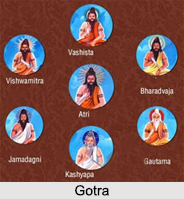
Gotra in Hinduism
In Hinduism, gotra refers to a lineage system tracing descent from ancient sages, primarily through the paternal line. Originating from Vedic traditio...