
The revolts against the Mughal Empire took place in different regions especially in northern part of the country. Various explanations have been put forward for the revolts that brought the collapse of Mughal Dynasty. Mughal Dynasty witnessed revolts against the Jats, Marathas, Satnamis, and the Sikhs. In the province of Agra, owing to the peculiarity of its climate the peasant masses of that territory were considered notorious throughout the vast country for rebelliousness, bravery and courage. Further, according to the historical records, the tract across the Yamuna River from Agra, the zamindars did not pay the revenue without a fight, and the peasants always carried firearms. The area on both sides of the Yamuna appeared constantly as the scene of military operations against rebellious peasantry.
The province of Agra also witnessed a Jat revolt during the rule of Aurangzeb. However, historians also claimed that in the earlier revolts, the revolting peasants were not identified as Jats rather they were identified as ganwar, or villager. The Jats were considered as a peasant caste; they inhabited villages between Delhi and Agra. Thus, it becomes quite clear that they had already participated in many of the previous conflicts with the authorities. The Jat rebellion dates from the time when Gokula Jat, the zamindar of Talpat near Mathura assembled a large army of Jats and other villagers and raised a rebellion against the Mughal Emperors. Over wide areas the peasants refused to pay revenue and took to arms. The leadership of the Jat rebellion were in the hands of the zamindars has been established not only from the known antecedents of its chief men, but also from their conduct. One of the results of the Jat rebellion was a great extension of Jat zamindari in the Braj-speaking area. The Jat revolt against the Mughal Empire grew in time into a large plundering movement. This was, perhaps, inevitable under the narrow caste horizons of the peasants and the plundering instincts of their zamindar leaders.
Interestingly, the Jat rebels had no connection with any special religious movement. On the other hand, in the Satnami and Sikh rebellions against the Mughal rulers, religion almost completely replaced caste as the surfacing bond among rebel ranks. The Satnamis were a group of Hindu mendicants. These rebellions did not exhaust the list of peasant revolts in northern India. Mughal rulers also faced rebels from Wattus, Dogars and Gujjars. Further, the Marathas undoubtedly constituted the biggest single force responsible for the downfall of the Mughal Empire.
Revolts against Mughal Empire
Revolts against Mughal Empire eventually led to the collapse of this dynasty. Peasant distress was one of the root causes of the rebellions that shook the Mughal Empire.
Recently updated articles in History of India
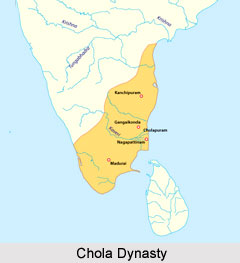
Chola Dynasty
Chola Dynasty is a Tamil dynasty and had longest duration of ruling in parts of South India. Chola dynasty had ruled South India successfully for a ex...
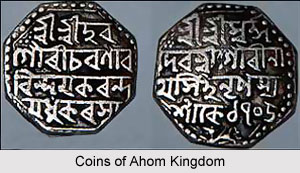
Suhungmung
Suhungmung was the fourteenth ruler of the Ahom dynasty who ruled from the period 1497 to 1539 AD. His reign was significant in terms of expansion of...
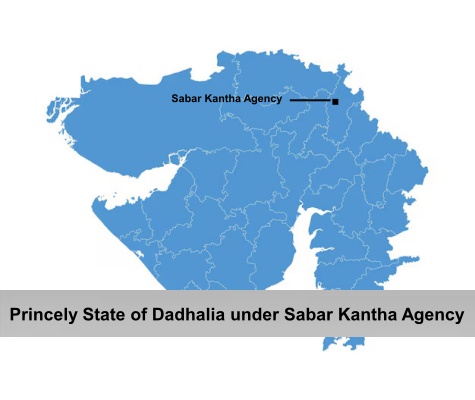
Princely State of Dadhalia
Princely State of Dadhalia was located in the present state of Gujarat. The state covered a total area of 28 sq miles and comprised of 15 villages. Th...
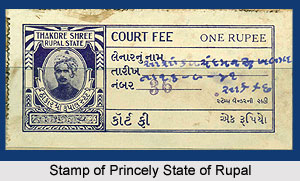
Princely State of Rupal
Princely State of Rupal was a part of the Baroda Agency, a sub division of Western India States Agency. It was under the administrative control of the...
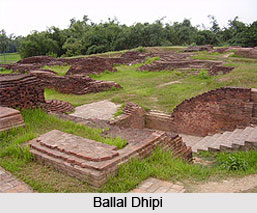
Archaeological Sites of West Bengal
Archaeological sites of West Bengal reveal several aspects of ancient India. Excavations by the Archaeological Survey of India have furnished artefact...
Related articles in History of India
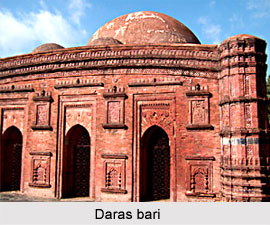
Mughal Architecture during Babur
Mughal architecture during Babur marked the foundation of a new architectural era in India, blending Timurid, Persian, and local influences. His reign...
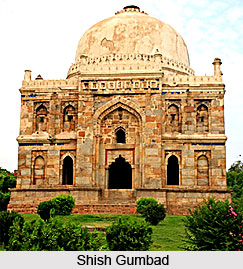
Architecture during Sayyid and Lodi Dynasty
Architectures during the Sayyid and Lodi dynasty were mainly the tombs and monuments for the dead rulers. It were carefully designed and meticulously...
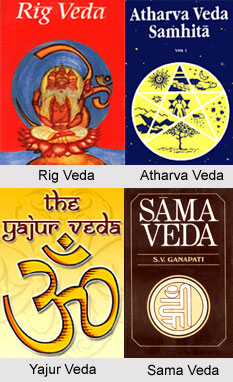
Brahmanical Sources of Ancient History
Brahmanical Sources of ancient history are contained in the Vedas and they constitute one of the most important literary sources of information about...
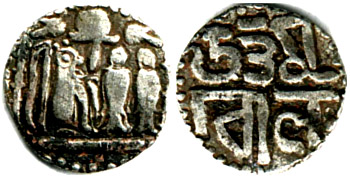
Coins of Chola Empire
Coins of Chola Empire were issued in gold, silver and copper and carried the Chola emblem.
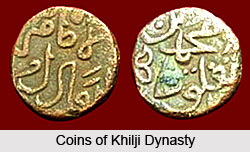
Coins of Khilji Dynasty
Coins of Khilji Dynasty had an influential feature that was followed by the other dynasties.