
The Princely State of Wadi, also known as Wadi Jagir, was amongst the major native states during the rule of the British Empire in India. During the early 19th century, the region was appointed as one of the princely states of India under the indirect rule of the British administration. The territory covered a total area of 12 sq miles and comprised of a total population of 2,022 in the year 1941. The estate or jagir of Wadi was located in the Southern Maratha region. The territory corresponded closely with the Maratha geographical division of the region, located between the rivers Tongbuddra (Tunghabhadra) and Kristna (Krishna), known as the Carnatic country. The Princely State of Wadi included part of the British collectorates of Kulladghee, Dharwar and Belgaum; as well as the princely states of Ramdurg, Jamkhandi, Kurunwad, Miraj, Sangli, Mudhol and Savanur. It also comprised the extinguished states Nargund, Kegwar (Shedbal), Tasgaon, Nipani, Chinchni, Kitur and 2 shares in the state of Miraj.
The Princely State of Wadi comprised 2 distinctive blocks of territory which incorporated the villages of Bavchi and Khatav, located between Jamkhandi and Kolhapur. The Princely State of Wadi Jagir was under the administrative control of the Kolhapur Agency, which was a sub division of Deccan States Agency.
History of Princely State of Wadi
The Patwardhan Chitpavan Brahmins of the Kurunwad branch was the ruling family of the princely state of Wadi Jagir. In the year 1792, a conflict between the then chief of Kurunwad, Ragunathrao I, and his younger brother Shivrao was settled by Parsheramrao of Tasgaon, who was the apparent leader of the Patwardhan family. Shivrao was expelled from saranjam, which was granted by the Peshwa; but was granted some villages from the saranjam conferred by the raja of Akalkot. The lines of the 2 eldest sons of Shivrao have since become extinct. However one third of the villages were initially set aside for Shivrao, which were held by the last jagirdar, a descendant of his third son.
The native ruler of the princely state of Wadi, who held the title of Jagirdar exercised restricted civil, revenue and criminal jurisdiction. Residuary jurisdiction lied with the resident of British India, also known as the British political agent, in Kolhapur.
After the political withdrawal of the British Supremacy and the partition of India on 15th August 1947, the erstwhile princely state of Wadi Jagir was acceded to the independent formed Dominion of India, which was also known as Union of India.
Princely State of Wadi
Princely State of Wadi covered a total area of 12 sq miles and comprised of a total population of 2,022 in the year 1941.
Recently updated articles in History of India
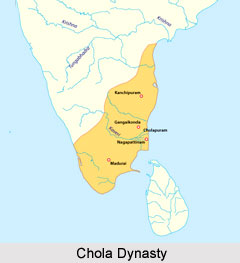
Chola Dynasty
Chola Dynasty is a Tamil dynasty and had longest duration of ruling in parts of South India. Chola dynasty had ruled South India successfully for a ex...
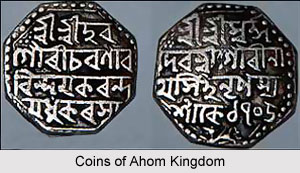
Suhungmung
Suhungmung was the fourteenth ruler of the Ahom dynasty who ruled from the period 1497 to 1539 AD. His reign was significant in terms of expansion of...
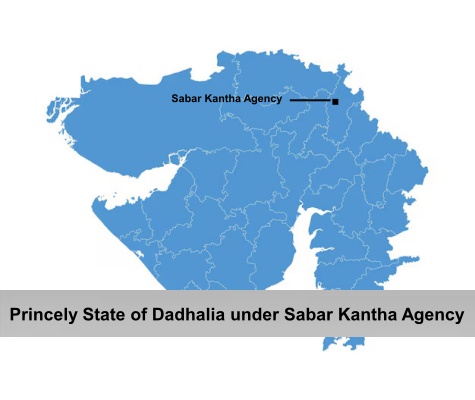
Princely State of Dadhalia
Princely State of Dadhalia was located in the present state of Gujarat. The state covered a total area of 28 sq miles and comprised of 15 villages. Th...
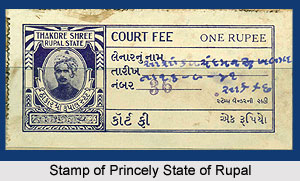
Princely State of Rupal
Princely State of Rupal was a part of the Baroda Agency, a sub division of Western India States Agency. It was under the administrative control of the...
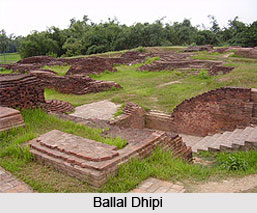
Archaeological Sites of West Bengal
Archaeological sites of West Bengal reveal several aspects of ancient India. Excavations by the Archaeological Survey of India have furnished artefact...
Related articles in History of India
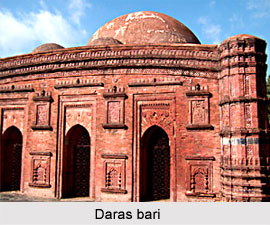
Mughal Architecture during Babur
Mughal architecture during Babur marked the foundation of a new architectural era in India, blending Timurid, Persian, and local influences. His reign...
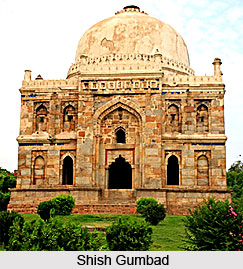
Architecture during Sayyid and Lodi Dynasty
Architectures during the Sayyid and Lodi dynasty were mainly the tombs and monuments for the dead rulers. It were carefully designed and meticulously...
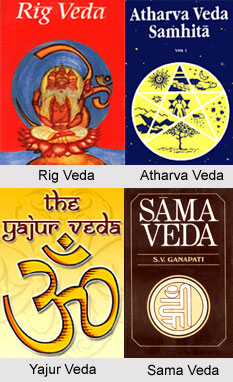
Brahmanical Sources of Ancient History
Brahmanical Sources of ancient history are contained in the Vedas and they constitute one of the most important literary sources of information about...
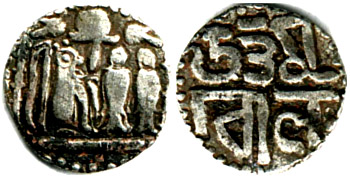
Coins of Chola Empire
Coins of Chola Empire were issued in gold, silver and copper and carried the Chola emblem.
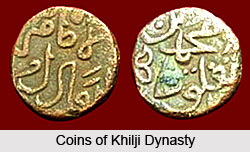
Coins of Khilji Dynasty
Coins of Khilji Dynasty had an influential feature that was followed by the other dynasties.