
The Princely State of Uparwara, also known as Uparwada, was one of the renowned native states of India that was managed and supervised by a native prince under the rule of the British authorities. The princely state was under the indirect control of the British Empire in India. The state was scattered over a total area of 7.10 sq miles and comprised of a total population of 1,083 in the year 1931. The princely state of Uparwara was located in the district of Jaora, which lied in the princely state of Jaora. Uparwara state was under the administrative control of the Central India Agency. The territory was also included as a part of the former Malwa Agency.
History of Princely State of Uparwara
The Solanki Rajputs were the ruling family of the princely state of Uparwara. The native rulers of the territory held the title of Thakor. The ruling family claimed to have settled in the state since the 11th century. After the demise of the then Thakor of Uparwara state in the year 1751, the assets and properties of the ruling family was divided between the 3 sons of the monarch. As a result of this, the territories of Khojan Khera, Uparwara and Shujoata were formed. The Princely State of Uparwara was a guaranteed feudatory of the princely state of Jaora. In the year 1823, the initial grant was guaranteed with the villages of Uparwara, Chandankheri and Palakheri which formed up the territory. During the year 1835, the region of Arniagujar and almost half of the territory of Bahadurpura were resumed by the princely state of Jaora.
The Thakor of the princely state of Uparwara held many villages on istimrar, which was a hereditary tenure at a fixed quit rent, from the local government of Jaora state under guarantee of British Government of India. The Thakor of Uparwara state in charge of supervision of the administration of the state; where as the Resident of British India, also known as the Political Agent, managed the associations of the state with the British Government and other Indian princely states.
The last native ruler of the state of Uparwara, who was the fourth of his line after the division of the original territory, acceded the princely state to the Dominion of India, also known as Union of India, after the country gained independence from the British rule in on 15th August 1947.
Princely State of Uparwara
Princely State of Uparwara was an Indian native state which was managed and supervised by a native prince under the guidance of the British authorities.
Recently updated articles in History of India
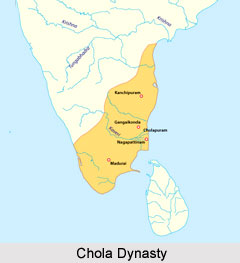
Chola Dynasty
Chola Dynasty is a Tamil dynasty and had longest duration of ruling in parts of South India. Chola dynasty had ruled South India successfully for a ex...
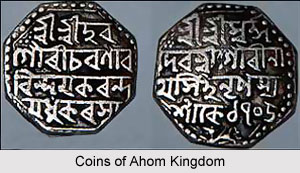
Suhungmung
Suhungmung was the fourteenth ruler of the Ahom dynasty who ruled from the period 1497 to 1539 AD. His reign was significant in terms of expansion of...
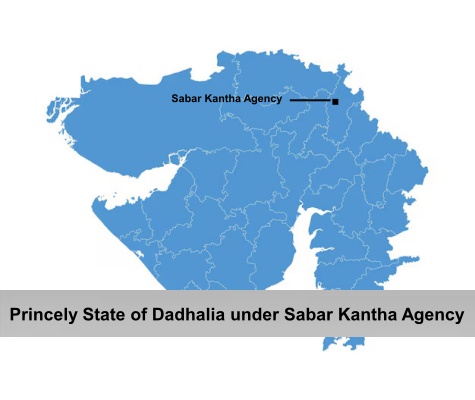
Princely State of Dadhalia
Princely State of Dadhalia was located in the present state of Gujarat. The state covered a total area of 28 sq miles and comprised of 15 villages. Th...
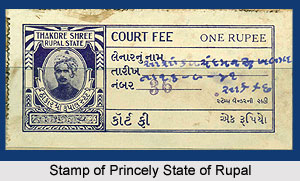
Princely State of Rupal
Princely State of Rupal was a part of the Baroda Agency, a sub division of Western India States Agency. It was under the administrative control of the...
Archaeological Sites of West Bengal
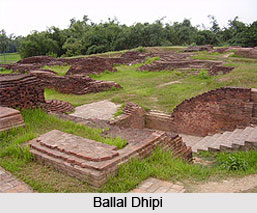
Archaeological sites of West Bengal reveal several aspects of ancient India. Excavations by the Archaeological Survey of India have furnished artefact...
Related articles in History of India

Mughal Architecture during Babur
Mughal architecture during Babur marked the foundation of a new architectural era in India, blending Timurid, Persian, and local influences. His reign...

Architecture during Sayyid and Lodi Dynasty
Architectures during the Sayyid and Lodi dynasty were mainly the tombs and monuments for the dead rulers. It were carefully designed and meticulously...

Brahmanical Sources of Ancient History
Brahmanical Sources of ancient history are contained in the Vedas and they constitute one of the most important literary sources of information about...

Coins of Chola Empire
Coins of Chola Empire were issued in gold, silver and copper and carried the Chola emblem.

Coins of Khilji Dynasty
Coins of Khilji Dynasty had an influential feature that was followed by the other dynasties.