
The Princely State of Myriaw was an erstwhile non-salute native state of India which was under the indirect rule of the British Government of India. The state was one of the leading polities in the Khasi Kingdom. The region was managed by native rulers under the supervision of the British authorities. The state covered a total area of 283 sq miles and comprised of a total population of 3,799 in the year 1941. The princely state of Myriaw was incorporated as a part of the states of Khasi kingdom in Meghalaya, located in northeastern India, south of Bhutan, which was under the rule of the British Province of Assam. It included around 23 villages and 7 villages out them were in dispute with the state of Rembrai.
Location of Princely State of Myriaw
The territory of Myriaw lied towards the central region of the Western Khasi States. The native state was bounded by the princely state of Rembrai in the north; by the taluka of Nongkhlaw in the east; by the princely state of Mawrang in the south; and by the terriotyr of Nongstoin in the west. The state of Myriaw was under the administrative control of the States of Assam Agency.
History of Princely State of Myriaw
The princely state of Myriaw did not possess any traditional history until the signing of an agreement with the British East India Company in the year 1829. The native ruler of the princely state held the title of Syiem. There were 2 major branches of the ruling family of the Syiem, namely the Black Syiems and the White Syiems. During the 19th century, members of both the families were elected rulers and asserted the right to alternate in the rulership among the 2 branches.
The native ruler or Syiem of Myriaw was succeeded by his eldest brother, failing which, by the ruler`s eldest nephews, grand nephews, or first cousins, in that particular order, but at all times in the female line. As a result of the failing male heirs, the native ruler was succeeded by the eldest of the previous ruler`s sisters, nieces, female first cousins, grand nieces and distant female cousins, in that order and always in the female line. A female syiem was succeeded by her eldest son, nephew and so on, in the stated order. In case a female Syiem does not rule the princely state, her husband and the husbands of other females in the ruling family were permitted to administer the state with the support of the State Darbar. The husbands held the style of Kongors. However this system did not provide total claim to succession, as the heirs might have been disqualified from the succession by the electoral college due to several reasons under Khasi custom and religion. Around 27 noted individuals, including the sirdars of the 23 villages and 4 Lyngdohs, who represented several clans elected the Syiem of the princely state of Mylliem.
Accession of Princely State of Myriaw
After the departure of the British Government of India and the Partition of India in the year 1947, the erstwhile princely state of Myriaw was acceded to the newly independent Union of India, which also known as the Dominion of India, by the Syiem of Myriaw state. At present the territory is located in Meghalaya.
Princely State of Myriaw
Princely State of Myriaw was an erstwhile non-salute native state of India which was under the indirect rule of the British Government of India.
Recently updated articles in History of India
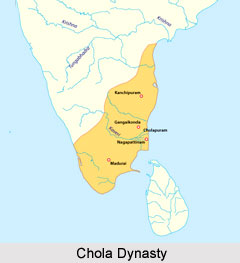
Chola Dynasty
Chola Dynasty is a Tamil dynasty and had longest duration of ruling in parts of South India. Chola dynasty had ruled South India successfully for a ex...
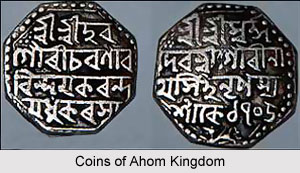
Suhungmung
Suhungmung was the fourteenth ruler of the Ahom dynasty who ruled from the period 1497 to 1539 AD. His reign was significant in terms of expansion of...
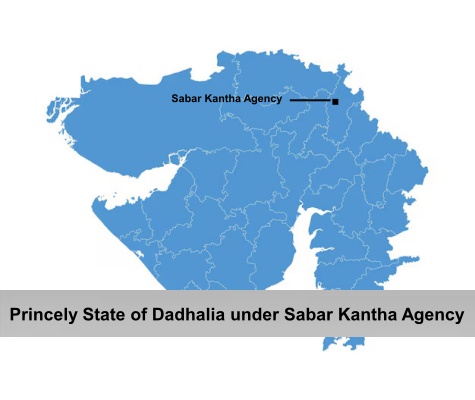
Princely State of Dadhalia
Princely State of Dadhalia was located in the present state of Gujarat. The state covered a total area of 28 sq miles and comprised of 15 villages. Th...
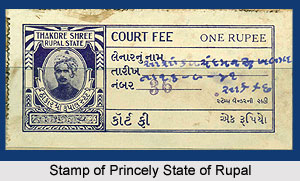
Princely State of Rupal
Princely State of Rupal was a part of the Baroda Agency, a sub division of Western India States Agency. It was under the administrative control of the...
Archaeological Sites of West Bengal
Archaeological sites of West Bengal reveal several aspects of ancient India. Excavations by the Archaeological Survey of India have furnished artefact...
Related articles in History of India

Mughal Architecture during Babur
Mughal architecture during Babur marked the foundation of a new architectural era in India, blending Timurid, Persian, and local influences. His reign...

Architecture during Sayyid and Lodi Dynasty
Architectures during the Sayyid and Lodi dynasty were mainly the tombs and monuments for the dead rulers. It were carefully designed and meticulously...

Brahmanical Sources of Ancient History
Brahmanical Sources of ancient history are contained in the Vedas and they constitute one of the most important literary sources of information about...

Coins of Chola Empire
Coins of Chola Empire were issued in gold, silver and copper and carried the Chola emblem.

Coins of Khilji Dynasty
Coins of Khilji Dynasty had an influential feature that was followed by the other dynasties.