
Nandyal also known as Nandyala is a town located in the in Kurnool District in the Indian state of Andhra Pradesh. The town serves as an important tourist place with religious importance. It is also a major centre for trade, commerce, education and industries.
History of Nandyal
The town of Nandyal derived its name from Nandi who is the vahan or vehical of Lord Shiva. The town attracts many devotees from different places since the days of the Vijayanagar Kingdom. It houses nine Nandi temples here. In the year 1980 railways were introduced in yjis town that led to the rapid development of the place. Nandyal has been visited by eminent leaders like Mahatma Gandhi and Jawaharlal Nehru.
Geography of Nandyal
Nandyal looks picturesque due to the beautiful hills that border the town on all sides. The Kundu River flowing past the town to the west adds to the beauty of the place. The town of Nandyal is rich in vegetation and is extensively forested.
Many tanks and reservoirs have been built in the town. Thus it can be said that then town is rich in water resources. The town has soothing weather conditions. Summers are hot. The average temperature is around 28 C.
Economy in Nandyal
The town of Nandyal serves as a major hub of industry and agriculture. For the past 30 years the seed industry has also been flourishing here. It is rich in natural resources like granite and marble. Many items are also exported from here like cement, sugar, PVC pipes, ethanol, oil, cotton, mangoes and rice. The town also engages in the production of agricultural products like Cotton, Jowar, Rice are main along with the other crops.
The town has also set up many colleges to foster the growth of education. Educational institutions like KesavaReddy Group of Institutions, RGM Engineering College, Dental and Medical colleges have been set up here.
Tourism in Nandyal
The town of Nandyal serves as an important tourist spot. The town has nine temples dedicated to of Lord Shiva. These are known as Nava Nandi. These nine temples are Mahanandi, Shivanandi, Vinayakanandi, Somanandi, Prathamanandi, Garudanandi, Suryanandi, Krishnanandi and Naganandi. Another popular temple of Lord Shiva is Omkaram that is located close to Nandyal. The Belum Caves and Srisailam and located close to Nandyal.
Transportation in Nandyal
Nandyal is well connected both by roads and railways. There are plenty of buses service from Nandyal to Tirumala - Tirupati, Hyderabad, Kurnool, Vijayawada, Chittor, and Kadapa. Buses are also available to parts of Karnataka and Tamil Nadu such as Benguluru, and Chennai.It is a major station on the Guntur division of South Central Railway. It also has direct trains to Bengaluru and Secunderabad. The nearest airport is the Rajiv Gandhi International Airport in Hyderabad.
Nandyal
Nandyal is a town located in Andhra Pradesh. The town is a major industrial hub and has many tourist places that are visited by many visitors.
Recently updated articles in States of India
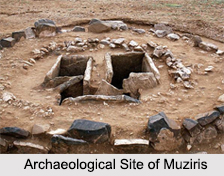
History of Thissur District
Early History of Thissur District explains flourishing of the port cities. Now these port cities are transformed into archaeological sites.
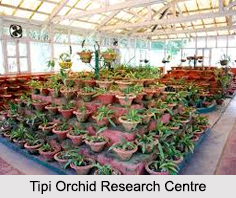
Tippi Orchid Research Centre, Arunachal Pradesh
Tippi Orchid Research Centre in Arunachal Pradesh is renowned for its rich collection of exotic and endangered orchids. Surrounded by lush rainforest...
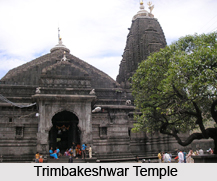
Tourism in Nashik District
Pilgrimage tourism in Nashik district involves visiting the various places of Hindu and Jain worship located here. Some of the holiest sites for Hind...
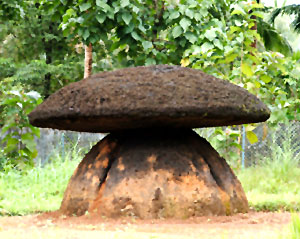
Mangadu, Kerala
Mangadu in Kerala’s Kollam district is a significant megalithic site known for its urn burials, cist burials, menhirs, and stone circles. Excavations...
Devaswom
History of Devaswom is not very ancient and can be dated back to late seventeenth century.
Related articles in States of India
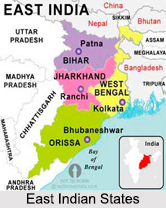
East Indian States
East Indian States comprises of Bihar, Jharkhand, West Bengal, Odisha and also the Union Territory of Andaman and Nicobar Islands. It defines the cult...
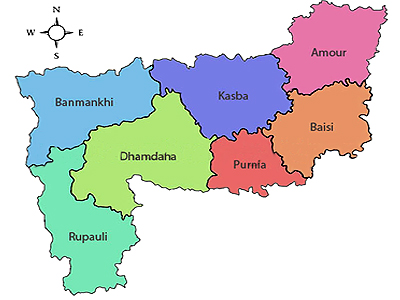
Purnia District in Bihar
Purnia District is located in Bihar and extends from River Ganga to Nepal. The district has a rich Hindu history and glorious past.
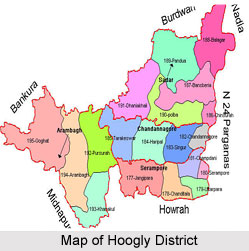
Hooghly district
Hooghly District along the bank of the river Hooghly is one of the principal trading ports of West Bengal.
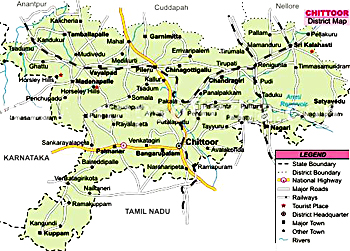
Geography Of Chittoor District
Geography of Chittoor district is spread along the topography of the land which is divided into two natural divisions; Chittoor has a dry and healthy...
Districts of West Bihar
Districts of West Bihar is comprised of medieval monuments that were built by the different governors of Mughal era.