
 Kurnool District of Andhra Pradesh is located towards the west-central part of the state. The district is located in the southern banks of Tungabhadra and Handri Rivers. Kurnool Town is presently the district headquarter.
Kurnool District
Kurnool District is a simple region in western Andhra Pradesh and is famous for the Nawab dynasty.
Introduction
Kurnool District of Andhra Pradesh is located towards the west-central part of the state. The district is located in the southern banks of Tungabhadra and Handri Rivers. Kurnool Town is presently the district headquarter.History of Kurnool District
Kurnool District has derived its name from Kurnool town which was the capital of the Nawabs of Andhra Pradesh. The word Kurnool on the other hand is derived from the word, `Kandanvolu.`
Nawab Alaf Khan Bahadur was the first ruler of Kurnool and after him the region has been ruled over by his descendants for 200 long years. The Nawab dynasty of Kurnool was among the few dynasties who had not surrendered to the British rule. Combining with the sultan of Mysore, the Nawabs of Kurnool had bravely resisted the British domination. Even today the Nawab bungalow stands by Tungabhadra River in its pristine glory.
Nawab Alaf Khan Bahadur was the first ruler of Kurnool and after him the region has been ruled over by his descendants for 200 long years. The Nawab dynasty of Kurnool was among the few dynasties who had not surrendered to the British rule. Combining with the sultan of Mysore, the Nawabs of Kurnool had bravely resisted the British domination. Even today the Nawab bungalow stands by Tungabhadra River in its pristine glory.
Geography of Kurnool District
The Kurnool district being located to the west of Andhra Pradesh is bounded by Guntur and Nellore districts in the East, Cuddapah and Anantapur lies towards the south, Ballary is in the West and Mahaboobnagar district is towards the north of Kurnool. Kurnool district occupies an area of 17,658 square kilometers. The major rivers of the region are Krishna and Pennar and the important mountain ranges which cut the district from north to south are Nallamalas and Erramalas. Kurnool District has 54 mandals under 3 revenue divisions.
Demography of Kurnool District
When last measured in the year 2001, the population of Kurnool was recorded at 3529494. The density of population in the district of Kurnool was 199 persons per square kilometer. The literacy rate in the district is around 54.43 percent.
Religion in Kurnool District
 The majority population in the district follows Hinduism and only a few of them comprise the Muslim and the Christian population. The main festivals which are celebrated in the region are Dusshera, Diwali, Ugadi, Holi, Ramzan and Christmas. Hence it can be said that although the district has a predominance of the Hindu community yet the people in Kurnool from various religious faiths co-exist in absolute harmony and happiness.
Education in Kurnool District
Kurnool district was never known as a seat of education in the state of Andhra Pradesh. But in the recent years the situation is improving and the district is striving hard to enhance infrastructural facilities which would guarantee higher quality of education.
Kurnool Medical College : Established in 1956, the Kurnool Medical College (KMC) is a medical school located in Kurnool, Andhra Pradesh, India. The college is an old medical institution and is also the second biggest medical college after Osmania Medical College, in Andhra Pradesh. After the foundation of the State of Andhra Pradesh in October, 1953, the newly formed Andhra Pradesh state government decided to establish a medical college in the state. The decision led to the formation of the KMC, Kurnool in July 1956. The then Finance Minister of India, Sri T. T. Krishnamachari inaugurated the KMC, Kurnool on 21st July 1956 and the college started its journey with 50 students in the MBBS course. The Andhra Pradesh government appointed Dr. C. Venkata Ramaiah, as the First Principal and Special Officer of the Kurnool Medical College (KMC).
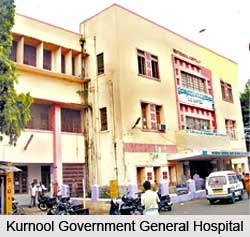
The Government General Hospital, Kurnool is closely associated with the Kurnool Medical College (KMC), Kurnool and the hospital has been working as the teaching hospital for the students of KMC. The inauguration of the hospital and the clinical courses in KMC, Kurnool was performed on 28th January 1958 the then Health Minister of India, Sri. D. K. Karmankar. The first units in the major subjects of Medicine, Surgery and Midwifery in KMC, Kurnool were created in July 1957. In its initial period, the Kurnool Medical College was affiliated to the Sri Venkateswara University, from January 1957 and then got permanently affiliated from January 1959.
 There is a NCC unit attached to the Kurnool Medical College (KMC), Kurnool and the unit started its operations in January, 1958. The college started offering Laboratory technician`s courses and laboratory attender`s courses from October 1959 and the Government also established a Regional Laboratory at this college, in the same year. The Regional Laboratory was established for serving the needs of Raayalaseema districts. There is also a well-planned Animal House with separate units for different laboratory animals in the KMC, Kurnool and it started its operations in 1961. Apart from that, there is a Central Work Shop in KMC, which started functioning from 1964, as well. The KMC, Kurnool houses two separate hostels for providing accommodation to the male and female students of the college. Apart from that, the college also houses an Assembly-cum-library hall, a clinical research block and a rural health center for the teaching of social and preventive medicine.
The Kurnool Medical College (KMC), Kurnool offers a large number of courses at the undergraduate and postgraduate levels. The postgraduate degree and diploma courses include MD in Physiology, Biochemistry, Pharmacology, Microbiology, Pathology, Forensic Medicine, SPM/Community Medicine, General Medicine, Gynecology, TBCD, STD, Pedlatrics, Anesthesia, Radiology, DCH, DCP, DMRD, and DPH. Apart from that, the college also offers MS in ENT, DLO, Ophthalmology, Anatomy, General Surgery, Orthopedics and DO. In the recent past, the Medical Council of India (MCI), New Delhi has inspected this college for recognition and starting of some super speciality course. The super speciality courses include DM in Neurology, Gastroenterology, Nephrology, Cardiology and M.Ch in Pediatrics Surgery, Neuro surgery, Plastic surgery, Cardio thoracic surgery and Urology etc. The KMC, Kurnool also started the units like Acute Medical Care (AMC) and ICCU during the year 2003, in the Government General Hospital, Kurnool.
Kurnool Medical College : Established in 1956, the Kurnool Medical College (KMC) is a medical school located in Kurnool, Andhra Pradesh, India. The college is an old medical institution and is also the second biggest medical college after Osmania Medical College, in Andhra Pradesh. After the foundation of the State of Andhra Pradesh in October, 1953, the newly formed Andhra Pradesh state government decided to establish a medical college in the state. The decision led to the formation of the KMC, Kurnool in July 1956. The then Finance Minister of India, Sri T. T. Krishnamachari inaugurated the KMC, Kurnool on 21st July 1956 and the college started its journey with 50 students in the MBBS course. The Andhra Pradesh government appointed Dr. C. Venkata Ramaiah, as the First Principal and Special Officer of the Kurnool Medical College (KMC).
The Government General Hospital, Kurnool is closely associated with the Kurnool Medical College (KMC), Kurnool and the hospital has been working as the teaching hospital for the students of KMC. The inauguration of the hospital and the clinical courses in KMC, Kurnool was performed on 28th January 1958 the then Health Minister of India, Sri. D. K. Karmankar. The first units in the major subjects of Medicine, Surgery and Midwifery in KMC, Kurnool were created in July 1957. In its initial period, the Kurnool Medical College was affiliated to the Sri Venkateswara University, from January 1957 and then got permanently affiliated from January 1959.
There is a NCC unit attached to the Kurnool Medical College (KMC), Kurnool and the unit started its operations in January, 1958. The college started offering Laboratory technician`s courses and laboratory attender`s courses from October 1959 and the Government also established a Regional Laboratory at this college, in the same year. The Regional Laboratory was established for serving the needs of Raayalaseema districts. There is also a well-planned Animal House with separate units for different laboratory animals in the KMC, Kurnool and it started its operations in 1961. Apart from that, there is a Central Work Shop in KMC, which started functioning from 1964, as well. The KMC, Kurnool houses two separate hostels for providing accommodation to the male and female students of the college. Apart from that, the college also houses an Assembly-cum-library hall, a clinical research block and a rural health center for the teaching of social and preventive medicine.
The Kurnool Medical College (KMC), Kurnool offers a large number of courses at the undergraduate and postgraduate levels. The postgraduate degree and diploma courses include MD in Physiology, Biochemistry, Pharmacology, Microbiology, Pathology, Forensic Medicine, SPM/Community Medicine, General Medicine, Gynecology, TBCD, STD, Pedlatrics, Anesthesia, Radiology, DCH, DCP, DMRD, and DPH. Apart from that, the college also offers MS in ENT, DLO, Ophthalmology, Anatomy, General Surgery, Orthopedics and DO. In the recent past, the Medical Council of India (MCI), New Delhi has inspected this college for recognition and starting of some super speciality course. The super speciality courses include DM in Neurology, Gastroenterology, Nephrology, Cardiology and M.Ch in Pediatrics Surgery, Neuro surgery, Plastic surgery, Cardio thoracic surgery and Urology etc. The KMC, Kurnool also started the units like Acute Medical Care (AMC) and ICCU during the year 2003, in the Government General Hospital, Kurnool.
Temples of Kurnool District
 Temples of Kurnool District are many. Most of the temples are dedicated to Lord Shiva. The remaining one temple is dedicated to Lord Vishnu. There are some notable temples.
Papanaseswara Aalayam Temple : This temple is located in Alampur. The deity of this temple is Lord Shiva. It enshrines the Navabrahmas in the nine Aalayas built in the North Indian style, like curvilinear towers. It also houses one of the Sakthipithas, and boasts of Sivaalayas and Vaishnavate temples built on the banks of Vedavathi River and Nadavathi, the tributaries of Tungabhadra River. Among the temples the Papanaseswara Swamy Aalayam lies in the middle. Its architectural grandeur is less impressive, but it still has multi-pillared halls and huge mandapams that enshrine many deities.
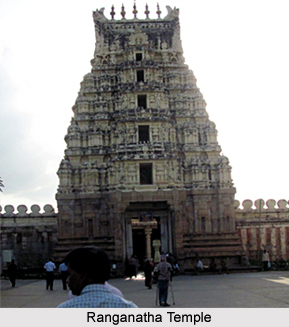
Ranganatha Temple : Another temple of Kulnoor is Ranganatha Temple in Peravali. The Deity worshipped in the temple is Ranganatha or Lord Vishnu. This temple dates back to ancient times. The emperors of Vijayanagara made many endowments to this historic temple.
Tripurantakeswara Temple : This is another notable temple of Kurnool situated in Tripurantantakam. This temple is dedicated to Tripurantaka or Lord Shiva. The temple is built on a hillock. This shrine is dedicated to Shiva and is regarded as the Eastern gate to Sreesailam and is a very ancient temple.
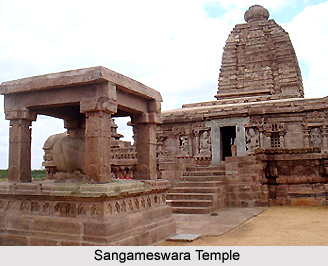 Sangameswara Temple : The centuries-old Sangameswara temple is situated at the confluence of the Krishna River and the Bhavanasi near Muchumarri in Kurnool district. Nivruthi Sangameswaram has great spiritual significance because of its antiquity and the fact that the temple stands at the confluence. The shrine finds a prominent place in Skanda Purana. The temple deity is Lord Shiva.
Alampur Navbrahma Temples : The main temple is a cluster of shrines dedicated to the Nava Brahmas. It is situated inside a fortress and resembles the Papanatha temple at Pattadakal. The sikharas are curvilinear and decorated with amalakas - decoration at angles that creates a beautiful effect, blending naturally with masonry for the tower.
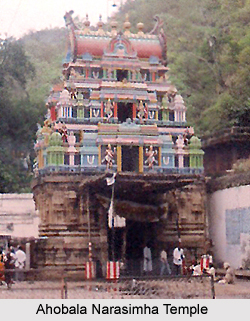 Ahobala Narasimha Temple : It is a place of great antiquity. As the nine shrines are situated within a radius of five kosa or 10 miles, this Tirtham is also known as Panchakosa Tirtham. This temple lies in the centre of three prakarams, and is built in the Vijayanagara style.
Mahanandi Temple : The temple is at the foothill where a mineral spring flows into the fields from underneath the linga, into the tank in front of the temple. This temple is famous for its curative powers found in the warm tepid mineral water found in the tank in front of the temple.
Srisailam Mallikarjuna Temple : The temple here is known as Mallikarjuna, which is one of the twelve Jyotirlingas. It is located in the forests of the Nallamalai hills, on the Rishabhagiri hill of Kurnool district.
Nava Bhramma Temples : These temples are all enclosed in a courtyard on the left bank of the river Tungabhadra. These are Taraka Bhramma, Swarga Bhramma, Padma Bhramma, Bala Bhramma, Garuda Bhramma, Kumara Bhramma, Arka Bhramma, Vira Bhramma and the Vishwa Bhramma.
Monuments of Kurnool
 The monuments in Kurnool include the ruins of the ancient fort, Kondareddy Buruju, the Mausoleum of Abdul Wahab and a couple of temples and mosques.
The chief highlight of the city is the remains of a royal fort. It belonged to the medieval kingdom of the Vijayanagar Empire from the 14th to ten 16th century. A number for Persian and Arabic inscriptions are contained herein which through light on various aspects of historical interest. The fort was dismantled in 1862, but four bastions and three gates survive.
Within the old fort area are the ruins of the Palace of the Nawabs. Found here is the palace of Gopal Raju, the last Hindu rulers of Kurnool.
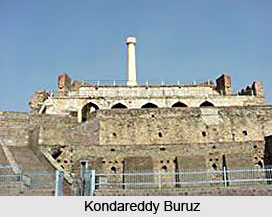
 The Kondareddy Buruju is a prominent landmark in Kurnool.It was originally a part of the Kurnool fort.Buruju means a turret. Story goes that Konda Reddy, a revolutionary who had opposed the Nawab of Kurnool had been imprisoned here. He died in imprisonment and the fort was named after him. The monument is built in the shape of a massive pillar with arches. Two flights of steps are found here. One leads to the first storey and the other leads to the second one. There is an underground passage here which is said to lead to Alampur.A beautiful view of the city can be obtained from the summit. The fort is protected under the ancient monuments protection act.
The most interesting building is the dome-shaped Mausoleum of Abdul Wahab. It was built in 1570 and is an imitation of one at Bijapur which commemorates the first Nawab, who converted many former temples into mosques.
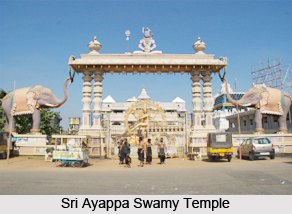
There are numerous mosques and a fine ornamental fountain presented by the Maharaja of the Maharaja of Vizianagram, who was renowned for his interest in providing free fresh drinking-water for the needy. Major places of historical interest include- the Sai Baba Temple on the banks of the river Tungabhadra near the District Court is famous as Dakshina Shirdi, Sri Nagareswara Temple for Nagara and Eswara, the main god of Kurnool. Sri Venkateswara Temple, Sri Lakshmi Venkateswara Temple is a Venkata Ramana colony, Sri Nimishambha Temple, Sri Ayappa Swamy Temple, Sri Ganapathi Temple among the Hindu places of worship.
Amongst the Muslim holy sites are Roja Dargah, Lal Masjid, Jumma Masjid which is one of the oldest Masjid of Kurnool, Masjid-e-Gounda, Gadda, Masjid-e-Quba, Gadda, Gopal Diddi Dargah, Dargah Ameen Baba. A Church can also be seen here, known as the Coles Centennial Baptist Church.
In 1750 the town was destroyed by de Bussy. Though the town of Kurnool does not have too many monuments, the few that it does harbour are well worth a visit.
Tourism in Kurnool District
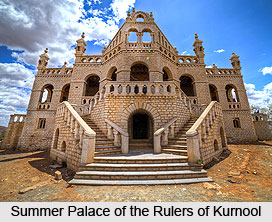
As far as tourism in Kurnool is concerned it is a simple place with a few interesting places which attracts tourists to the district. Some of the important temples of the district are Raghavendra Swamy Temple, Mallikarjuna Swamy Temple, Lord Siva Temple, Narasimhaswamy Temple, Lord Mahanandeeswara and Mahayogi Lakshmamma Avva Temple. Some of the other attractions in the district of Kurnool are the ruins of the royal fort belonging to the kings of Vijaynagar, the Kondareddy Buruz and the Summer Palace of the Rulers of Kurnool.
Recently updated articles in States of India
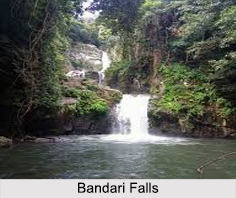
Bandare Waterfalls, Meghalaya
Bandare Waterfalls in South Garo Hills, Meghalaya, is a secluded natural attraction surrounded by dense subtropical forests and rugged mountain terrai...
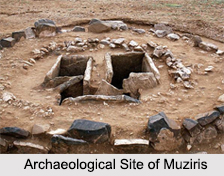
History of Thissur District
Early History of Thissur District explains flourishing of the port cities. Now these port cities are transformed into archaeological sites.
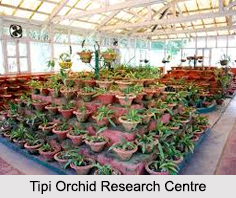
Tippi Orchid Research Centre, Arunachal Pradesh
Tippi Orchid Research Centre in Arunachal Pradesh is renowned for its rich collection of exotic and endangered orchids. Surrounded by lush rainforest...
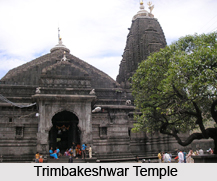
Tourism in Nashik District
Pilgrimage tourism in Nashik district involves visiting the various places of Hindu and Jain worship located here. Some of the holiest sites for Hind...
Mangadu, Kerala
Mangadu in Kerala’s Kollam district is a significant megalithic site known for its urn burials, cist burials, menhirs, and stone circles. Excavations...
Related articles in States of India
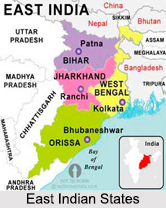
East Indian States
East Indian States comprises of Bihar, Jharkhand, West Bengal, Odisha and also the Union Territory of Andaman and Nicobar Islands. It defines the cult...
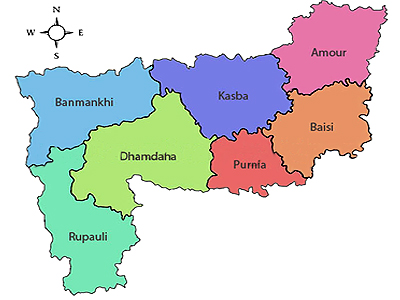
Purnia District in Bihar
Purnia District is located in Bihar and extends from River Ganga to Nepal. The district has a rich Hindu history and glorious past.
Hooghly district
Hooghly District along the bank of the river Hooghly is one of the principal trading ports of West Bengal.
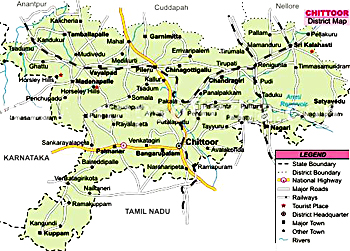
Geography Of Chittoor District
Geography of Chittoor district is spread along the topography of the land which is divided into two natural divisions; Chittoor has a dry and healthy...
Districts of West Bihar
Districts of West Bihar is comprised of medieval monuments that were built by the different governors of Mughal era.