
Mirasi Rights were one of the most important components of the revenue system in South India. The term Mirasi originally means the hereditary rights connected with the possession or usufruct of land, its produce or some office such as accountantship, etc. If the usage of the term Miras is restricted to the right to the possession or usufruct of land and its produce referred to frequently in British administration records, it was always a right which was transferable to others by sale, mortgage, gift, etc. The Mirasi right to land was not a uniform one and it varied from locality to locality.
Meaning of Mirasi Right
The substance of the right transferred in these transactions was certainly not the right to a plot of land alone, but a complex of the right to lands, houses, water, etc., and enjoyment of taxes, privileges, etc. In other words, it is a complex of rights which enables its possessor to lead a privileged life as a landlord in a village. In this relation it is also noticeable that in documents recording the alienation of particular plots of land for specific purposes, the lands included or the taxes enjoyable are not mentioned, though there are cases in which the common phrases for the eight enjoyments of land and the profits from the trees and animals appear. This also indicates that the holding of many different categories of land and the enjoyment of certain taxes and privileges are the substance of the Mirasi right.
Origin of Mirasi Right
The origin of the Mirasi right can be traced to the migration and settlement of the Vellalas in the Chola period in the case of Tondaimandalarn and to the land or village grant to Brahmins and officials by the Chola and Pandyan kings in the case of Thanjavur district, Tiruchirapalli district and Madurai district. The Mirasidars were not to be found everywhere in South India.
Practice of Mirasi Rights
Under the right of possession of land claimed by Mirasidars, there existed the right to cultivation often claimed by people called Payakari. Among the Payakaris, two groups, Ulkudis and Parakudis, were distinguishable. The Ulkudis lived in the village where they cultivated the land, and though their right could not be transferred to others, it was well protected and could not be denied even by Mirasidars. On the other hand, Parakudis were tenants at will, whose contract of cultivation with Mirasidars was usually for one year, and had no hereditary right to land.
If some village land was held by several Mirasidars, their way of holding was either in Pasunkarai or in Arudikarai. In the former way, Mirasidars held all the village land jointly without dividing it among them and cultivated their land either in common without distributing it, or in severally distributing it yearly or for some other fixed period. According to the Arudikarai system, the village land was divided into individual holdings and the cultivation was also done severally, the land not being periodically re-distributed.
It has been seen from historical records that many transfers of the Mirasi right to land occurred in the Chingleput area during the seventeenth and eighteenth centuries. The transferee of the Mirasi right was not restricted to the people of the same village, and many transfers took place between the people of different villages. There were also many transactions between people of different castes, such as Mudalis and Brahmins, or Mudalis and Gramanis. Therefore, it seems to have been common for people of a different village to come into another village as its Mirasidars; or for a family or a caste to lose its monopoly over the Mirasi right in a village or some area larger than a village.
Another finding is that to be a Mirasidar did not merely mean to possess a tract of land in a village, but to have an influential position in village life with many privileges. In other words, Mirasidars formed the core and leaders of the village communities. Thus in cases where there was an influx of other caste members or merchants into a village dominated by a certain caste, it must have been a threat to the solidarity of the village communities of the day. In a way this might even have accelerated their disintegration thereby bringing about a crucial change in agrarian society.
Mirasi Rights
Mirasi Rights were one of the most important aspects of the revenue system of South India. It was originally a hereditary right to land and its produce which gradually became transferable to others by sale, mortgage or gift.
Recently updated articles in History of India
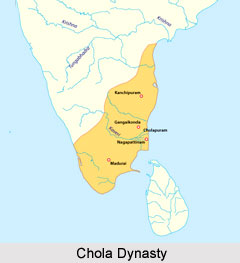
Chola Dynasty
Chola Dynasty is a Tamil dynasty and had longest duration of ruling in parts of South India. Chola dynasty had ruled South India successfully for a ex...
Suhungmung
Suhungmung was the fourteenth ruler of the Ahom dynasty who ruled from the period 1497 to 1539 AD. His reign was significant in terms of expansion of...
Princely State of Dadhalia
Princely State of Dadhalia was located in the present state of Gujarat. The state covered a total area of 28 sq miles and comprised of 15 villages. Th...
Princely State of Rupal
Princely State of Rupal was a part of the Baroda Agency, a sub division of Western India States Agency. It was under the administrative control of the...
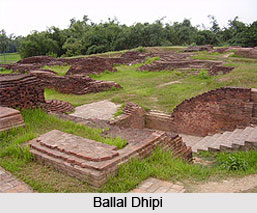
Archaeological Sites of West Bengal
Archaeological sites of West Bengal reveal several aspects of ancient India. Excavations by the Archaeological Survey of India have furnished artefact...
Related articles in History of India
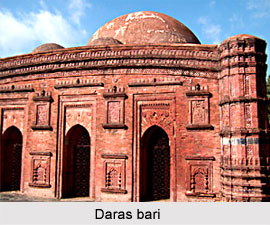
Mughal Architecture during Babur
Mughal architecture during Babur marked the foundation of a new architectural era in India, blending Timurid, Persian, and local influences. His reign...
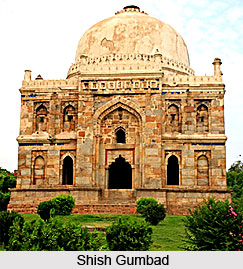
Architecture during Sayyid and Lodi Dynasty
Architectures during the Sayyid and Lodi dynasty were mainly the tombs and monuments for the dead rulers. It were carefully designed and meticulously...
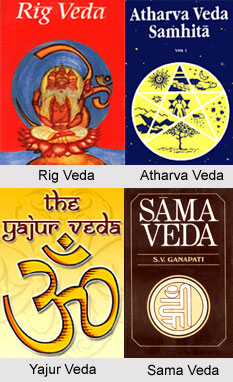
Brahmanical Sources of Ancient History
Brahmanical Sources of ancient history are contained in the Vedas and they constitute one of the most important literary sources of information about...
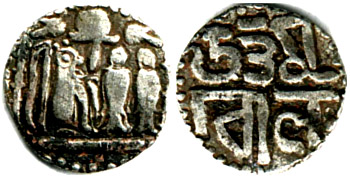
Coins of Chola Empire
Coins of Chola Empire were issued in gold, silver and copper and carried the Chola emblem.
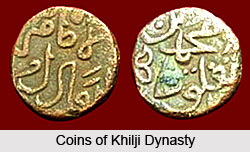
Coins of Khilji Dynasty
Coins of Khilji Dynasty had an influential feature that was followed by the other dynasties.