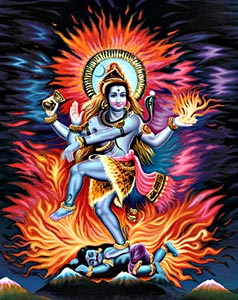
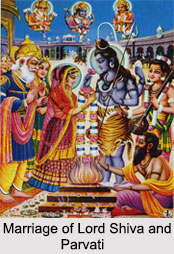
 Kalyana Vrata is one of the eight auspicious Vratas referred in the Skanda Purana. The Vrata is observed when the Sun shines on the Pisces sign (Mina Rashi) in the month of Phalguna (mid March to mid April) on the Uttara Nakshatra in Shukla Paksha. This day is believed to be the auspicious moments as Parvati, the daughter of Himavaan married Lord Shiva after a great austerity. The day is also observed for the marriage of Lord Murugan and Devaseenaa.
Rituals of Kalyana Vrata
In the morning of Kalyana Vrata, the devotee gets up and meditates on Lord Shiva in the wedding posture with Parvati. After taking the bath the devotee worships Lord Shiva. Those who can afford, massage the golden idol of God and Goddess devotionally with holy substances. One should worship the divine God and Goddess with sweet offerings. The spiritual people who learnt the Vedas and are followers of Lord Shiva are invited along with their wives and are offered a feast. The devotees later go to the Shiva Temple, worship three times and prostrate in front of the lord. At night all the devotees of Lord Shiva feast together and eat sweet dishes like fruits and Kheer (sweet dish made of milk). They should sleep on Dharbari grass. The next morning after regular deeds the devotees donate the golden idol of God and Goddess to the pious people who are also the followers of Lord Shiva. The devotees should eat once that day also.
The festivities can also be witnessed in the southern Indian states of Kerala, Karnataka and Andhra Pradesh. During the festival of "Panguni Uttiram", the devotees assemble at Lord Murugan temples in large numbers. The temple wherein this festival is celebrated with great austerity is in Madurai, Vedaranyam, Tiruvarur, Tinnevelly, Perur and Kanjeevaram. In most of these temples, the rituals of the heavenly marriage of the Gods and Goddesses are conducted with full enthusiasm. Kalyana Vrata is celebrated as Holi in the northern parts of India, especially in Vrindavan and Mathura.
Significance of Kalyana Vrata
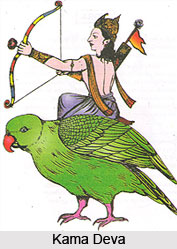
One can get the boon of Lord Shiva by observing this Kalyana Vrata regularly. It would bring much joy and wealth in their territorial life as well as give them liberation after death and lead their soul to the abode of Lord Shiva. Lord Vishnu could marry Goddess Lakshmi by observing this Vrata, Lord Brahma wedded Goddess Saraswati, Lord Indra wedded Indrani, Moon wedded the twenty-seven stars and sage Agastya wedded Lopamudra. The two daughters of Lord Vishnu namely Amritavalli and Saundaravalli were married to six faced lord as Devasena and Valli. The two daughters of sage Satyapurana were wedded to Mahasashtha, Kama married to Rathi, Sita got Rama, Jamavati got Lord Krishna and sage Saupari got many princesses to marry. There are so many other examples, which increase the glory of this Vrata. The man who observes this Vrata would get a beautiful girl to marry and women would be married to the men they like. The couple that observes this Vrata will get good offspring and anybody who observes this Vrata will get the lord`s grace.
The auspicious Kalyana Vrata of wedding of Parvati and Lord Shiva is celebrated as the festival of colours or Holi, which is preceded by the festival "Kamadahanam" on which day Kama was burnt by the fire of rage of supreme Lord Shiva as he tried wrongly to induce the lust of God itself.