 Islam during Shah Jahan`s reign was a much revered religion, and he did much for the promotion of the faith. The majority of the Muslims of India during this time were Sunnis, the sect that follows the Islamic school of jurisprudence of Abu Hanifa (767 AD). Shah Jahan being a staunch Muslim, insisted that the teachings of this school be included in the education programme for his children. The other major sect was the Shia Sect, which followed the Jafferiya School of jurisprudence. Since the days of Nur Jahan there had been increasing numbers of Persian Shias at court, and the Jafferiya was a powerful lobby. The followers of this sect formed a large community in India, concentrated mainly in The Deccan.
Being a devout follower of Islam, Shah Jahan openly favoured the religion. He himself was a Sunni Muslim who dressed in the Muslim fashion, sported a beard, used alcohol in a restrained manner, prayed regularly and kept fasts during Ramzaan. The policy of toleration that was followed by Akbar was gradually abandoned during his reign and there was now seen a return to the stricter interpretation of Islam. He ordered that all recently built Hindu temples were to be destroyed. This was in keeping with a Muslim tradition that states that all unbelievers may keep their already-existing shrines but not build new ones.
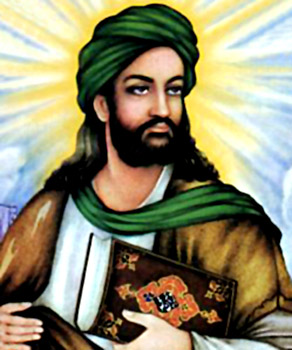
Shah Jahan encouraged conversion Islam throughout his reign. During his reign the war-captives were converted to Islam and culprits who accepted Islam were set free. Hindus were forced to accept Islam before their marriage to Muslims and those who disrespected either the holy Quran or Prophet Muhammad were punished to death. He created a separate department for conversion of people of other faith to Islam. He sent presents to Mecca regularly. Thus, it is clear that he set aside the policy religious toleration of Akbar and believed in the supremacy of Islam.
However though he exhibited almost fanatical tendencies during the early years of his reign, he abandoned this extreme stand during the later years and adopted a more tolerant attitude. This might have been due to the influence of his liberal - minded son Dara Shikoh. The ardour with which he was promoting Islam was now abated and he showed a friendlier disposition towards the followers of other religions, even according them high places in his court.