
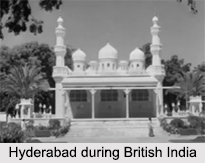
 The Nizam`s Contingent or Nizam`s Army became the Hyderabad Contingent following the treaty of 1853. This contingent was divided into regiments or military units. One such unit was cavalry. Given below are the cavalries of the Hyderabad Contingent.
Hyderabad Contingent Cavalries
The cavalries of the Hyderabad Contingent were the 1st Cavalry, 2nd Cavalry, 3rd Cavalry and 4th Cavalry.
Introduction
1st Cavalry of Hyderabad Contingent
The 1st Cavalry of Hyderabad Contingent was an army cavalry unit of the British East India Company. The Hyderabad Contingent was the armed force of the Nizam of Hyderabad. After the 1801 treaty, the Nizam of Hyderabad was duty-bound to maintain a military force at Hyderabad. The regiment was also designated as the Nizam`s Army and the Nizam`s Contingent. Afterwards the regiment became a part of the Kumaon Regiment of the British Indian Army. The unit was one of the Presidency Armies in British India. Although the Presidency Armies operated under the British East India Company until the Indian Rebellion, also known as the Sepoy Mutiny of 1857; later the several presidency armies were amalgamated together to form the British Indian Army in the year 1903. The 1st Cavalry of Hyderabad Contingent was also known as the 20th Deccan Horse.
History of 1st Cavalry of Hyderabad Contingent : The 1st Cavalry of Hyderabad Contingent was raised as the Irregular Cavalry of Asif Shah under the Colours of the Nizam of Hyderabad in the year 1790 in Berar. Later the battalion came under the control of the British East India Company and in 1826 the unit became the 1st Regiment of Nizam`s Cavalry. In the year 1854, the military unit was titled as the 1st Cavalry of Hyderabad Contingent. The British Indian army regiment was united with the 29th Lancers (Deccan Horse) to form the Royal Deccan Horse (9th Horse) in 1922. The unit was awarded battle honours for Punjab Frontier and Central India.
After the political withdrawal of the British Empire in India on 15th August 1947, the nation was divided into India and Pakistan by the Partition of India. As an outcome, the British Indian Army was divided accordingly amongst the newly formed countries of the Union of India and the Dominion of Pakistan. The 1st Madras Native Cavalry was allocated to the modern Indian Army.
Designations of 1st Cavalry of Hyderabad Contingent : The 1st Cavalry of Hyderabad Contingent comprised of various designations through out its service in the British Indian Army. These are mentioned as follows -
* Asif Shah`s Irregular Cavalry (under the Colours of the Nizam of Hyderabad) in 1790
* Nizam`s Contingent in 1801
* 1st Reformed Horse (Nawab Jalal-ul-Daula`s) in 1816
* 1st Regiment of Nizam`s Cavalry in 1826
* 1st Cavalry of Hyderabad Contingent in 1854
* 1st Lancers of Hyderabad Contingent in 1890
* 20th Deccan Horse in 1903
* Royal Deccan Horse (9th Horse) (merged with 29th Lancers Deccan Horse) in 1922
* Assigned to Indian Army in 1947
* The Deccan Horse (9 Horse) in 1950
History of 1st Cavalry of Hyderabad Contingent : The 1st Cavalry of Hyderabad Contingent was raised as the Irregular Cavalry of Asif Shah under the Colours of the Nizam of Hyderabad in the year 1790 in Berar. Later the battalion came under the control of the British East India Company and in 1826 the unit became the 1st Regiment of Nizam`s Cavalry. In the year 1854, the military unit was titled as the 1st Cavalry of Hyderabad Contingent. The British Indian army regiment was united with the 29th Lancers (Deccan Horse) to form the Royal Deccan Horse (9th Horse) in 1922. The unit was awarded battle honours for Punjab Frontier and Central India.
After the political withdrawal of the British Empire in India on 15th August 1947, the nation was divided into India and Pakistan by the Partition of India. As an outcome, the British Indian Army was divided accordingly amongst the newly formed countries of the Union of India and the Dominion of Pakistan. The 1st Madras Native Cavalry was allocated to the modern Indian Army.
Designations of 1st Cavalry of Hyderabad Contingent : The 1st Cavalry of Hyderabad Contingent comprised of various designations through out its service in the British Indian Army. These are mentioned as follows -
* Asif Shah`s Irregular Cavalry (under the Colours of the Nizam of Hyderabad) in 1790
* Nizam`s Contingent in 1801
* 1st Reformed Horse (Nawab Jalal-ul-Daula`s) in 1816
* 1st Regiment of Nizam`s Cavalry in 1826
* 1st Cavalry of Hyderabad Contingent in 1854
* 1st Lancers of Hyderabad Contingent in 1890
* 20th Deccan Horse in 1903
* Royal Deccan Horse (9th Horse) (merged with 29th Lancers Deccan Horse) in 1922
* Assigned to Indian Army in 1947
* The Deccan Horse (9 Horse) in 1950
2nd Cavalry of Hyderabad Contingent
The 2nd Cavalry of Hyderabad Contingent was a military cavalry regiment of the British East India Company. The Hyderabad Contingent was the army of the Nizam of Hyderabad. After the treaty of 1801, the Nizam of Hyderabad was obliged to preserve a military unit at Hyderabad. The regiment was also known as the Nizam`s Contingent and Nizam`s Army. Later the regiment became a part of the Kumaon Regiment of the British Indian Army. It was one of the Presidency Armies in British India. Although the Presidency Armies functioned under the British East India Company until the Sepoy Mutiny of 1857; later the various presidency armies were joined together to raise the British Indian Army in the year 1903. The 2nd Cavalry of Hyderabad Contingent was also known as the 29th Lancers (Deccan Horse).
History of 2nd Cavalry of Hyderabad Contingent : The 2nd Cavalry of Hyderabad Contingent was formed in the year 1790 as the Irregular Cavalry of Asif Shah under the Colours of the Nizam of Hyderabad in Berar. Later the unit came under the control of the British East India Company and in the year 1854, the military unit was renamed as the 2nd Cavalry of Hyderabad Contingent. The British Indian regiment was eventually merged with the 20th Deccan Horse to form the Royal Deccan Horse (9th Horse) in the year 1922.
After the nation gained freedom from the supremacy of the British Empire in India on 15th August 1947, the country was separated with the Partition of India. As a result, 2 new independent nations were formed and the several regiments of the former British Indian Army were shared among the Union of India and the Dominion of Pakistan. The 2nd Cavalry of Hyderabad Contingent was assigned to the modern Indian Army.
Designations of 2nd Cavalry of Hyderabad Contingent : The 2nd Cavalry of Hyderabad Contingent held a many titles through out its existence during the restructuring of the British Indian Army, like the other regiments. These are listed below -
* Asif Shah`s Irregular Cavalry (under the Colours of the Nizam of Hyderabad) in 1790
* Nizam`s Contingent in 1801
* 2nd Reformed Horse in 1816
* 2nd Regiment, Nizam`s Cavalry in 1826
* 2nd Cavalry of Hyderabad Contingent in 1854
* 2nd Lancers of Hyderabad Contingent in 1890
* 29th Lancers (Deccan Horse) in 1903
* Royal Deccan Horse (9th Horse) (merged with 20th Deccan Horse) in 1922
* Assigned to Indian Army in 1947
* The Deccan Horse (9 Horse) in 1950
History of 2nd Cavalry of Hyderabad Contingent : The 2nd Cavalry of Hyderabad Contingent was formed in the year 1790 as the Irregular Cavalry of Asif Shah under the Colours of the Nizam of Hyderabad in Berar. Later the unit came under the control of the British East India Company and in the year 1854, the military unit was renamed as the 2nd Cavalry of Hyderabad Contingent. The British Indian regiment was eventually merged with the 20th Deccan Horse to form the Royal Deccan Horse (9th Horse) in the year 1922.
After the nation gained freedom from the supremacy of the British Empire in India on 15th August 1947, the country was separated with the Partition of India. As a result, 2 new independent nations were formed and the several regiments of the former British Indian Army were shared among the Union of India and the Dominion of Pakistan. The 2nd Cavalry of Hyderabad Contingent was assigned to the modern Indian Army.
Designations of 2nd Cavalry of Hyderabad Contingent : The 2nd Cavalry of Hyderabad Contingent held a many titles through out its existence during the restructuring of the British Indian Army, like the other regiments. These are listed below -
* Asif Shah`s Irregular Cavalry (under the Colours of the Nizam of Hyderabad) in 1790
* Nizam`s Contingent in 1801
* 2nd Reformed Horse in 1816
* 2nd Regiment, Nizam`s Cavalry in 1826
* 2nd Cavalry of Hyderabad Contingent in 1854
* 2nd Lancers of Hyderabad Contingent in 1890
* 29th Lancers (Deccan Horse) in 1903
* Royal Deccan Horse (9th Horse) (merged with 20th Deccan Horse) in 1922
* Assigned to Indian Army in 1947
* The Deccan Horse (9 Horse) in 1950
3rd Cavalry of the Hyderabad Contingent
3rd Cavalry, Hyderabad Contingent was earlier Asif Sah`s Irregular Cavalry under the Colours of the Nizam of Hyderabad in Berar in 1790. It became the Nizam`s Contingent in 1801. In 1816, it became the 3rd Reformed Horse and then it got converted into the 3rd Regiment, Nizam`s Cavalry in 1826. It was in 1854 that it became 3rd Cavalry, Hyderabad Contingent. It became the 3rd Lancers, Hyderabad Contingent in 1890. In 1903, the unit got disbanded.
4th Cavalry of the Hyderabad Contingent
4th Cavalry, Hyderabad Contingent came up in 1854. It was earlier 4th Regiment, Nizam`s Cavalry, which was raised by Captain Sir John Gordon in 1826. In 1890, the cavalry became the 4th Lancers, Hyderabad Contingent. In 1903, it became the 30th Lancers (Gordon`s Horse). In 1921, the unit merged with the 26th King George`s Own Light Cavalry to form 8th King George`s Own Light Cavalry.
Recently updated articles in History of India
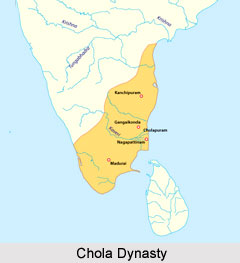
Chola Dynasty
Chola Dynasty is a Tamil dynasty and had longest duration of ruling in parts of South India. Chola dynasty had ruled South India successfully for a ex...
Suhungmung
Suhungmung was the fourteenth ruler of the Ahom dynasty who ruled from the period 1497 to 1539 AD. His reign was significant in terms of expansion of...
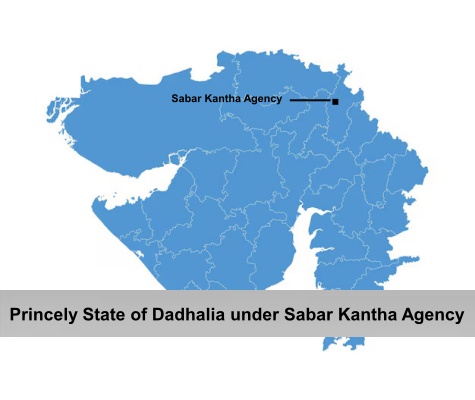
Princely State of Dadhalia
Princely State of Dadhalia was located in the present state of Gujarat. The state covered a total area of 28 sq miles and comprised of 15 villages. Th...
Princely State of Rupal
Princely State of Rupal was a part of the Baroda Agency, a sub division of Western India States Agency. It was under the administrative control of the...
Archaeological Sites of West Bengal
Archaeological sites of West Bengal reveal several aspects of ancient India. Excavations by the Archaeological Survey of India have furnished artefact...
Related articles in History of India

Mughal Architecture during Babur
Mughal architecture during Babur marked the foundation of a new architectural era in India, blending Timurid, Persian, and local influences. His reign...

Architecture during Sayyid and Lodi Dynasty
Architectures during the Sayyid and Lodi dynasty were mainly the tombs and monuments for the dead rulers. It were carefully designed and meticulously...

Brahmanical Sources of Ancient History
Brahmanical Sources of ancient history are contained in the Vedas and they constitute one of the most important literary sources of information about...

Coins of Chola Empire
Coins of Chola Empire were issued in gold, silver and copper and carried the Chola emblem.

Coins of Khilji Dynasty
Coins of Khilji Dynasty had an influential feature that was followed by the other dynasties.