 History of Haveri district is a rich legacy of culture and tradition. The district is located exactly in the centre of Karnataka, equidistant from Bidar in the far North and Kollegal in the far South. Also known as the gateway district to the Northern districts of Karnataka, Haveri district along with Gadag district was earlier part of undivided Dharwad district. Owing to the demands of the people, Haveri district was carved out of old Dharwad district and was formed on 24.08.1997.
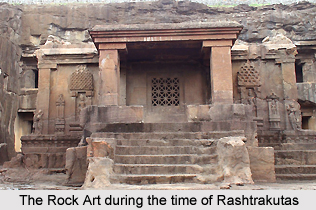
The history of Haveri district can be traced back to the pre-historic period. Evidences are available on existence of pre-historic civilizations on the Tungabhadra River and Varada River basins. Stone carvings depicting Stone Age civilizations are found in many parts of the district. About 1300 stone writings of different rulers like the Chalukya dynasty and the Rashtrakutas dynasty are found in the district. However, none of the major kingdoms of Karnataka had their headquarters in Haveri, many Mandaliks ruled in this district.
Bankapura Challaketaru, Guttavula Guttaru, Kadamba of Hanagal and Nurumbad are some of the well-known Samanta Rulers. Devendramunigalu the teacher of Kannada Adikavi Pampa and Ajitasenacharya the teacher of Ranna Chavundaray lived in Bankapura. This was also the second capital of Hoysala Vishnuvardhana. Guttaru ruled during latter part of 12th century and up to end of 13th century from Guttavol (Guttal) village as Mandaliks of Chalukya, independently for some time and as Mandaliks of Sevuns of Devagiri. Shasanas found in Choudapur, a village near Guttal, reveal that Mallideva was Mandalika of sixth Vikramaditya of Chalukyas. Jatacholina, under the leadership of Mallideva built the Mukteshwara temple at Choudapur. Kadambas of Nurumbad during the period of Kalyana Chalukyas ruled about 100 villages with Rattihalli as their capital. Kadambeshwar temple at Rattihalli is a beautiful Chalukya style temple.
All Samantas who ruled from different parts of the district have left their permanent evidences in the history of the district. Many beautiful temples like Tarakeshwar Temple, at Hanagal, Kadambeshwar at Rattihalli, Someshwar at Haralahalli, Nagareshwar at Bankapur, Mukteshwar at Choudapur, Siddheshwar at Haveri, Eeshwar at Galaganath and Jain Basadi at Yalavatti depict the rich culture and history of the district.
The district is proud to be the birthplace of Santa Shishunala Sharif, great saint Kanakadasaru, Sarvagnya, Hanagal Kumara Shivayogigalu, Wagish Panditaru, Writer Galaganatharu, Ganayogi Panchakshari Gavayigalu, Gnyana Peetha Awardee Dr.V.K.Gokak and many more. The freedom fighter Mailara Mahadevappa, who resisted British rule, is from Motebennur in Haveri District. Another freedom fighter Gudleppa Hallikere a native of Hosaritti is also from this district.