
Doctrine of Prapatti was advocated by Nimbarka. Prappati is considered as superior to Bhakti. The devotional attitudes that enter into the act Prapatti are as follows): a) decide to subordinate one`s will always to the Divine will. b) Avoiding all that is contrary to God`s will. c) Faith that God is the saviour of all. d) One should accept that God`s protective grace is always with one. e) One in a pitiable state due to realisation of the lack of all self-effort that is made for one`s salvation. f) Resigning oneself to God`s protection.
These attitudes are involved in Parama-bhakti. In this sense Prapatti and Parama-bhakti are identical. Parama-bhakti is the end product of a long and difficult course of discipline of the head and the heart. The brain and the social environment required for it is not available for all. Prapatti is as considered an independent path for others provided they can cultivate mental attitudes that are mentioned earlier. These attitudes are summarised as unshakable faith in God and grace.
The Prapatti doctrine says that a single moment of resignation with the above attitudes of mind is enough to attain Lord`s grace operative on the Jiva. It has an immediate and non laborious effort. Through this doctrine of Prapatti, Ramanuja made the grace of devotional doctrine available to lower castes who were not included in Vedic study.
This article is a stub. You can enrich by adding more information to it. Send your Write Up to content@indianetzone.com
Doctrine of Prapatti
Doctrine of Prapatti advocates that one should resign themselves to God in order to attain his grace.
Recently updated articles in Religion in India
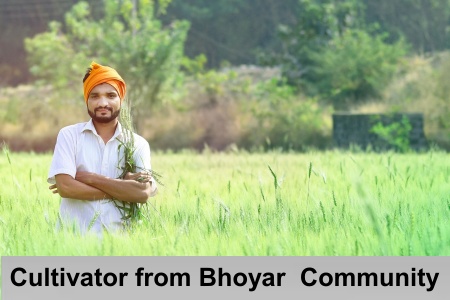
Bhoyar Caste
Bhoyar Caste is largely found in the Central Provinces of the country. Traditional occupation of Bhoyars is agriculture. They are good cultivators and...
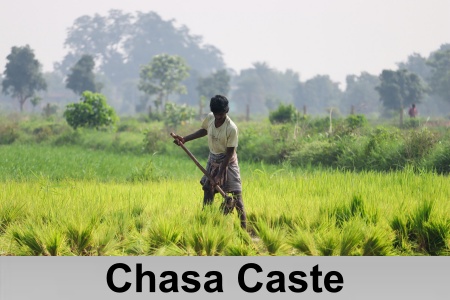
Chasa Caste
Chasa caste is a prominent agrarian community native to Odisha. Traditionally associated with cultivation and farming, Chasas have historically played...
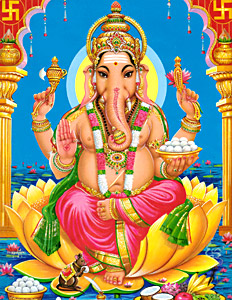
Vigneswara, A Form of Lord Ganesha
Lord Vigneswara is another form of Lord Ganesha or Vinayaka, prominently worshipped as the God of intelligence and good luck in the Indian subcontinen...
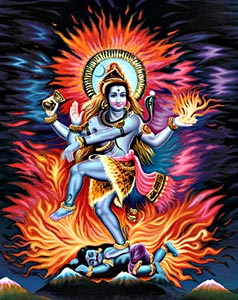
Maheswara
Maheswara, meaning “the Great Lord,” is a revered name of Lord Shiva in Hindu tradition. It represents Shiva’s supreme authority over creation, preser...
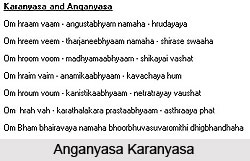
Anganyasa and Karanyasa
Anganyasa and Karanyasa are preparatory rituals in Hindu worship that sanctify the body and hands through the recitation of sacred mantras and symboli...
Related articles in Religion in India
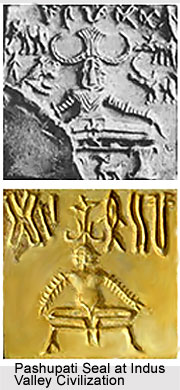
Religion in Indus Valley Civilization
Religion in Indus Valley Civilisation included Hinduism, Buddhism and Jainism. Details about the religion in Indus Valley Civilization have been gathe...
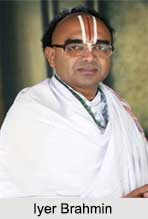
Iyer Brahmin
Iyer Brahmins are originally from Tamil Nadu of South India. They are known for their adherence to Advaita philosophy and Smarta traditions. Tradition...
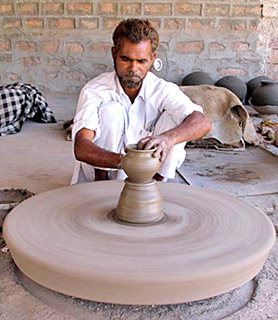
Kumbhakar / Kumhar Caste
Kumbhakar or Kumhar caste is a traditional artisan community in India known for pottery making. Derived from Sanskrit word Kumbhakar, meaning potter,...

Gujjars in Mughal Era
Gujjars in the Mughal era enjoyed great power. Further their power increased with the decline of Aurangzeb, Mughal emperor.
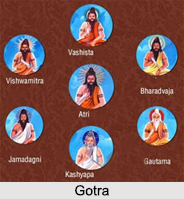
Gotra in Hinduism
In Hinduism, gotra refers to a lineage system tracing descent from ancient sages, primarily through the paternal line. Originating from Vedic traditio...