
The concept of Sesatva in Vaishnava theology means subordination. It is not a new idea that has been exclusively propounded by Vaishnava theology. It is in fact evolved out of the concept of sarira or body referred to in the Antaryami Brahmana of the Brhadaranyaka Upanishad. The famous passage in this Upanishad has described all the entities in the universe, both non-sentient as well as sentient, starting from the five physical elements and culminating in the soul as the sarira of the Paramatman. The term sarira is defined by Ramanuja, in order to make it applicable to all the twenty-two entities enumerated in this Upanishadic passage, as that substance which is wholly supported and controlled by a spiritual Being and that which exists as entirely dependent on that Being.
In other words, all sentient and non-sentient entities including the jivas constitute the sarira or body of Ishwara in the technical sense that the former are wholly dependent on the latter for their existence; they are completely controlled by Ishwara and they subserve the purpose of the Supreme Being. This is how the concept of Sesatva is explained.
Three concepts are used to explain the organic relationship that exists between Brahman and the universe of cit and acit. These are: adhara-adheya (the sustainer and the sustained), niyanta-niyamya (the controller and the controlled) and the sesi-sesa (the Supreme Lord and the dependent). Jiva in relation to Paramatman is adheya, niyamya and sesa. It is out of this threefold character of the concept of sarira that the Vaishnava theology has formulated the theory of jiva as nirupadhika sesa.
Concept of Sesatva
Concept of Sesatva essentially means sub-ordination to God. Since all sentient and non-sentient beings are dependent on the Ishwara for their very existence, they are controlled by Him and are therefore subservient to him.
Recently updated articles in Religion in India
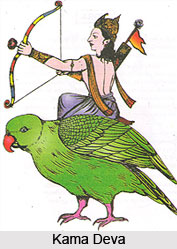
Kusumayudha
Kusumayudha is a name of Kamadeva, the Hindu God of Love. Depicted with a sugarcane bow and flower-tipped arrows, he represents attraction and longing...

Bhoyar Caste
Bhoyar Caste is largely found in the Central Provinces of the country. Traditional occupation of Bhoyars is agriculture. They are good cultivators and...
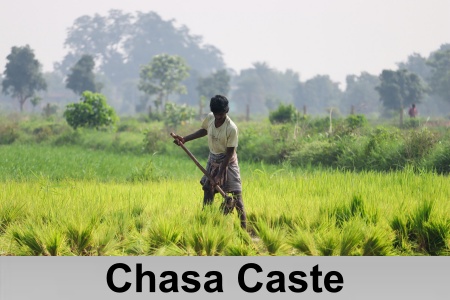
Chasa Caste
Chasa caste is a prominent agrarian community native to Odisha. Traditionally associated with cultivation and farming, Chasas have historically played...
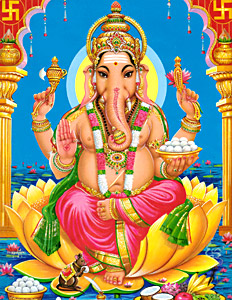
Vigneswara, A Form of Lord Ganesha
Lord Vigneswara is another form of Lord Ganesha or Vinayaka, prominently worshipped as the God of intelligence and good luck in the Indian subcontinen...
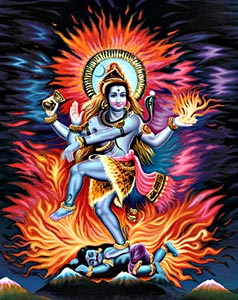
Maheswara
Maheswara, meaning “the Great Lord,” is a revered name of Lord Shiva in Hindu tradition. It represents Shiva’s supreme authority over creation, preser...
Related articles in Religion in India
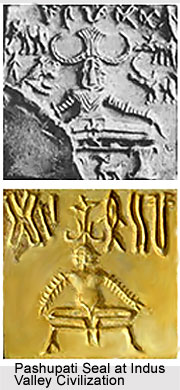
Religion in Indus Valley Civilization
Religion in Indus Valley Civilisation included Hinduism, Buddhism and Jainism. Details about the religion in Indus Valley Civilization have been gathe...
Iyer Brahmin
Iyer Brahmins are originally from Tamil Nadu of South India. They are known for their adherence to Advaita philosophy and Smarta traditions. Tradition...
Kumbhakar / Kumhar Caste
Kumbhakar or Kumhar caste is a traditional artisan community in India known for pottery making. Derived from Sanskrit word Kumbhakar, meaning potter,...

Gujjars in Mughal Era
Gujjars in the Mughal era enjoyed great power. Further their power increased with the decline of Aurangzeb, Mughal emperor.
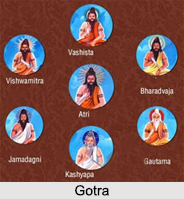
Gotra in Hinduism
In Hinduism, gotra refers to a lineage system tracing descent from ancient sages, primarily through the paternal line. Originating from Vedic traditio...