
Burdak is a surname for the Jat community in India, originated chiefly in the northwestern part of Rajasthan. This surname is used to signify membership in the Burdak Gotra. Jats of the Burdak Gotra trace their ancestry from the Rajput family Chauhan that in turn moves down from the Agni kula (literally meaning Fire Born) lineage. In the opinion of Dr Mahendra Singh Arya and others, they are considered to be the descendants of Maharaja Wardak. The records of Kushan ruler Huvishka (140-183 CE) have been revealed at Wardak, to the west of Kabul. The existence of Wardak province and Chaki Wardak District in Afghanistan, probably, indicates the migration of this community from Afghanistan to India. The name Burdak is in fact derived from a myth of Parashurama. During the obvious destruction of the entire Kshatriya Varna, a single boy child survived because a certain Jat woman hid the boy by covering him with sand. The boy`s name in Hindi, "Burdak", derives from a combination of the words "Bura" and "Dhaka", meaning "buried" and "covered", respectively. All Burdaks are considered to descend from this single male. When Prithiviraj Chauhan was defeated in the Second Battle of Tarain (1192) and Muslim rule was established in the northern part of India in the form of the Delhi Sultanate, Jats moved to the countryside and began tilling the land. As part of this Jat emigration, Burdaks moved out from Delhi with 50 horses and set up the village of Sarnau near Jeenmata in Sikar Rajasthan.
The Burdaks have a major role to play in the tree protection movement. Maharaja Abhay Singh, Ruler of Marwar (Jodhpur) state sought to fell green Khejri trees at village Khejarli to burn lime for the building of his new palace. Many people protested against these and were mercilessly killed. Among the massacred some belonged to the Burdak clan. This incident is regarded as the starting point of the Chipko movement.
Burdak
Burdak is a surname for the Jat community in India.
Recently updated articles in Religion in India
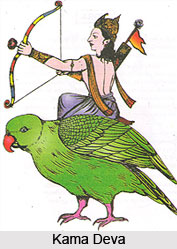
Kusumayudha
Kusumayudha is a name of Kamadeva, the Hindu God of Love. Depicted with a sugarcane bow and flower-tipped arrows, he represents attraction and longing...
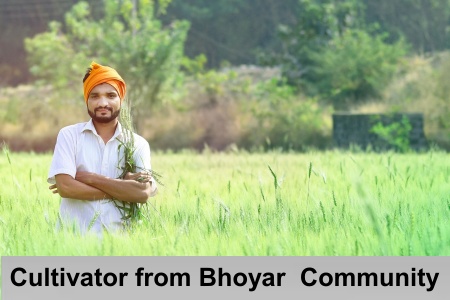
Bhoyar Caste
Bhoyar Caste is largely found in the Central Provinces of the country. Traditional occupation of Bhoyars is agriculture. They are good cultivators and...
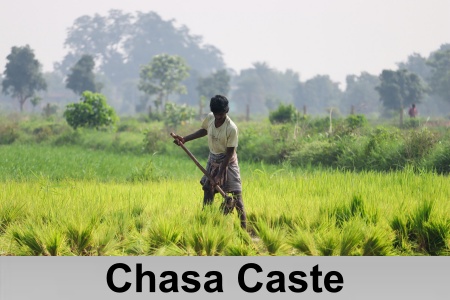
Chasa Caste
Chasa caste is a prominent agrarian community native to Odisha. Traditionally associated with cultivation and farming, Chasas have historically played...
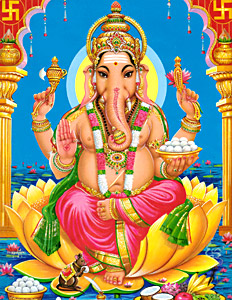
Vigneswara, A Form of Lord Ganesha
Lord Vigneswara is another form of Lord Ganesha or Vinayaka, prominently worshipped as the God of intelligence and good luck in the Indian subcontinen...
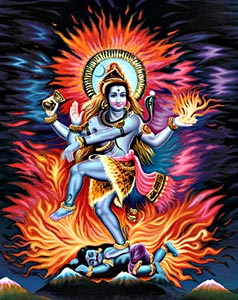
Maheswara
Maheswara, meaning “the Great Lord,” is a revered name of Lord Shiva in Hindu tradition. It represents Shiva’s supreme authority over creation, preser...
Related articles in Religion in India
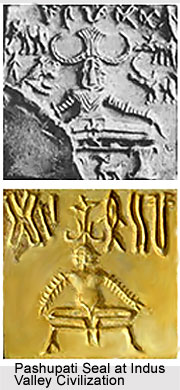
Religion in Indus Valley Civilization
Religion in Indus Valley Civilisation included Hinduism, Buddhism and Jainism. Details about the religion in Indus Valley Civilization have been gathe...
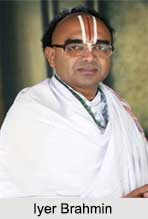
Iyer Brahmin
Iyer Brahmins are originally from Tamil Nadu of South India. They are known for their adherence to Advaita philosophy and Smarta traditions. Tradition...
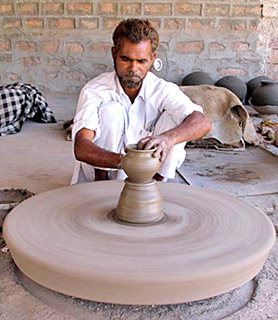
Kumbhakar / Kumhar Caste
Kumbhakar or Kumhar caste is a traditional artisan community in India known for pottery making. Derived from Sanskrit word Kumbhakar, meaning potter,...

Gujjars in Mughal Era
Gujjars in the Mughal era enjoyed great power. Further their power increased with the decline of Aurangzeb, Mughal emperor.
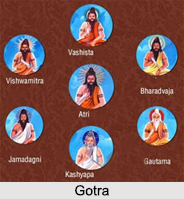
Gotra in Hinduism
In Hinduism, gotra refers to a lineage system tracing descent from ancient sages, primarily through the paternal line. Originating from Vedic traditio...