
Acara also encompasses a broader meaning of conventions of practice. It still carries the connotation of "right practice". Acara is a part that has been mentioned in Dharma sastras. This is a concept that has been used in regards to Classical Hindu law. The community norms are described and put into practice by people who have earned the respect within an individual group like a community leader or elder. Acara is important in Hindu law as it is considered to be one of the sources of dharma. Acara as customary law as regards to Hindu law is defined as similar to the community norm of a particular region. This law encompasses laws that are actually applied to daily life. Customary law represents the actual practice of law.
Acara is a narrow scope of customary law. These laws are put into practice by people who hold a power over a group and this power is ascertained by a theological connection to the divine by understanding Vedic Literature. The power to develop laws shifted eventually from Vedic scholars to community leaders. Their actions gained the respect of their fellow community members. Acara is referred as the third source of dharma. Acara`s power comes from its ability to connect with the Vedas. Dharmashastras have several references to Acara that reveal the real importance customs had as far as settling of legal disputes are concerned. Rules concerning legal procedure also emphasize the importance of custom.
Acara are transcendental laws. Acara`s meaning has changed from time to time. Earlier Acara was observed or declared by learned Brahmins who had high morals. Acara became the actual source of Hindu law in the present-day.
Acara
Acara comprise of rules prevailing conduct for all the castes and ashrams that are related to Mimamsa laws of ritual conduct.
Recently updated articles in Religion in India
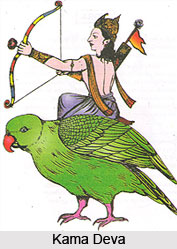
Kusumayudha
Kusumayudha is a name of Kamadeva, the Hindu God of Love. Depicted with a sugarcane bow and flower-tipped arrows, he represents attraction and longing...
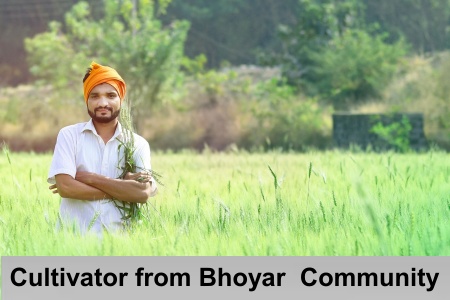
Bhoyar Caste
Bhoyar Caste is largely found in the Central Provinces of the country. Traditional occupation of Bhoyars is agriculture. They are good cultivators and...
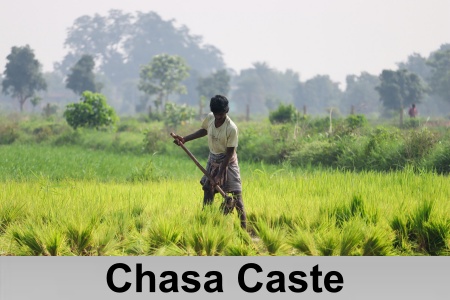
Chasa Caste
Chasa caste is a prominent agrarian community native to Odisha. Traditionally associated with cultivation and farming, Chasas have historically played...
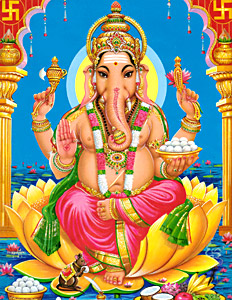
Vigneswara, A Form of Lord Ganesha
Lord Vigneswara is another form of Lord Ganesha or Vinayaka, prominently worshipped as the God of intelligence and good luck in the Indian subcontinen...
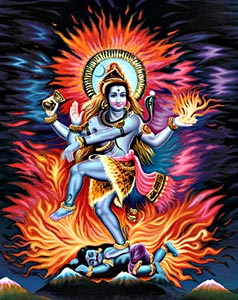
Maheswara
Maheswara, meaning “the Great Lord,” is a revered name of Lord Shiva in Hindu tradition. It represents Shiva’s supreme authority over creation, preser...
Related articles in Religion in India
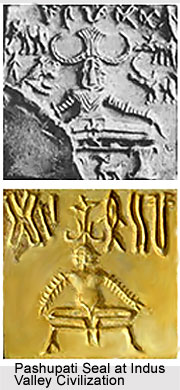
Religion in Indus Valley Civilization
Religion in Indus Valley Civilisation included Hinduism, Buddhism and Jainism. Details about the religion in Indus Valley Civilization have been gathe...
Iyer Brahmin
Iyer Brahmins are originally from Tamil Nadu of South India. They are known for their adherence to Advaita philosophy and Smarta traditions. Tradition...
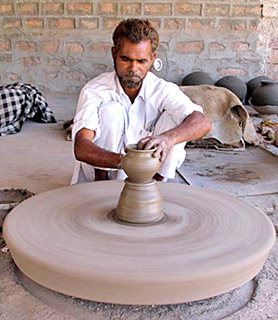
Kumbhakar / Kumhar Caste
Kumbhakar or Kumhar caste is a traditional artisan community in India known for pottery making. Derived from Sanskrit word Kumbhakar, meaning potter,...

Gujjars in Mughal Era
Gujjars in the Mughal era enjoyed great power. Further their power increased with the decline of Aurangzeb, Mughal emperor.
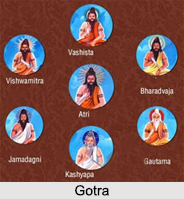
Gotra in Hinduism
In Hinduism, gotra refers to a lineage system tracing descent from ancient sages, primarily through the paternal line. Originating from Vedic traditio...