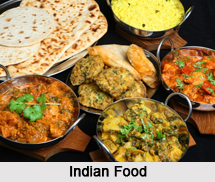
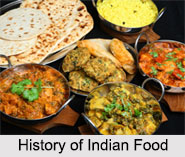
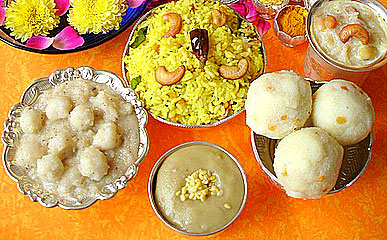
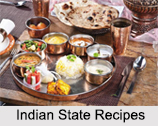
 Indian State Recipes exhibit a great variety pleasing the taste buds of people having different choices and preferences. Indian food is varied, diverse and distinct as its different state and culture. Different regions of India have their traditional and distinctive styles of cooking. Moreover, the diverse cuisine of the regions offers numerous options to vegetarians as well as non-vegetarians of the country. Indian state recipes are amazing as each particular state is a treasure house of exclusive cuisine. Eating styles of different regions vary according to the prevalent climatic and geographic condition. Indian recipes can be distinguished into six major areas viz. North Indian Recipes, South Indian Recipes, West Indian Recipes, East Indian Recipes, Central Indian Recipes and North East Indian Recipes.
Features of Indian State Recipes
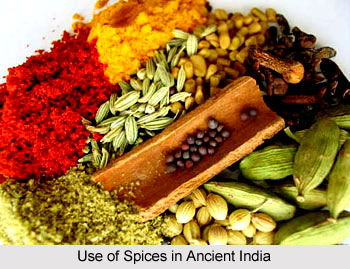
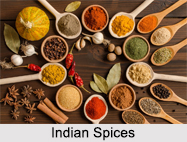
The North Indian recipe is characterized by the use of large quantities of ghee or clarified butter. On the other hand in South Indian recipes, tamarind is used in a large quantity suiting the hot climate. Moreover, Indian regional snacks and soups have an exhaustive list. Indian state recipes also refer to the cooking ingredients. There is a difference in the types of cooking oil used in each state of India. In Bengal, mustard oil is preferred as compared to South India where coconut oil is used. Other states of India prefer using groundnut oil. Spices, condiments and vegetables are used in the Indian cuisine according to the taste.
North Indian Recipes
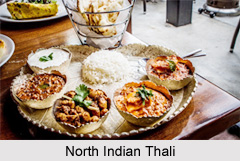
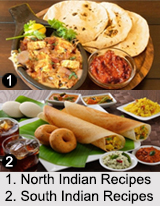 North India introduces Indians to splendid exotic recipes. North Indian cuisine comprises of the Mughlai cuisine of Delhi. Kashmiri Cuisine offers fabulous aromatic banquet consisting of over 36 delectable dishes which is known as "Wazwan". The cooking style of the state is based on heavy use of spices, condiments and curds. The Awadh style of cooking is popular in the city of Nawabs, Lucknow. One of the favourites is "Dum Pukht" method. Punjabi recipes complete the aromatic palate of the northern part of India. The dishes such as "Makki ki Roti" with "Sarson ka Saag" and "Punjabi Lassi" provides an impressive experience.
South Indian Recipes
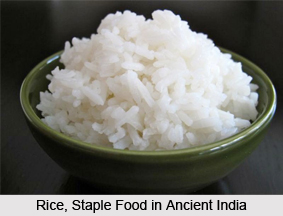
South Indian cuisine is prepared on the basis of the hot, humid climate. The southern states have an added advantage as they lie in the coastal region. The state has abundance of fresh fruits, vegetables and rice. Cooking pattern in the four states of the south zone viz. Andhra Pradesh, Karnataka, Kerala and Tamil Nadu, are almost the same. Rice is the staple diet for all in this zone as compared to wheat in the north. Most of the South Indian states practice vegetarianism. Rice, lentils, grains and vegetables are consumed with chutneys, pickles and papaddams. Indian state recipes introduce a rich variety in the form of Tamil recipes including Chettinad cuisine and Andhra Pradesh recipes which offers Hyderabadi cuisine.
East Indian Recipes
 Indian state recipes vary in the eastern region. The eastern part largely comprises of fresh water and sea food which is cooked in mustard oil. There is a use of thickening agents like cashew or poppy seed paste. East Indian cooking is a blend of vegetarian and non-vegetarian food. West Bengal is known all over the country for their interesting and varied rice and sweet recipes. In certain parts of Bihar, the influence of Buddhism is apparent and thus most of the population practices vegetarianism. Oriya recipe is another example of rich culinary of the state of Odisha.
West Indian Recipes
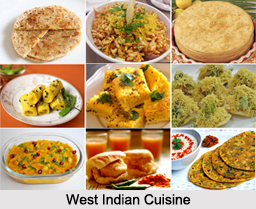
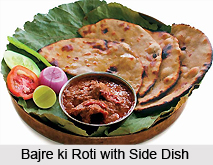
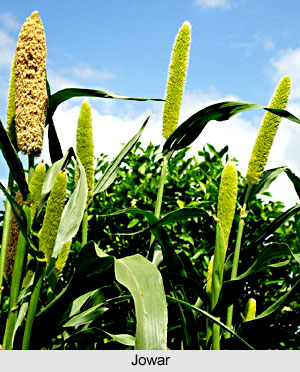
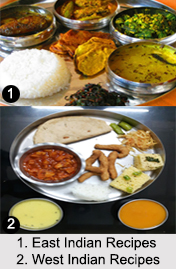 Western Indian cuisine is also a blend of vegetarian and non-vegetarian food. The staple diet of this region is rice, jowar, wheat and bajra. In Gujarat, influence of Jainism is widespread and thus Gujrati cuisine reflects the vegetarian touch. However, Goan recipes and Maharashtra cuisine ensures completely different food delicacies. Maharashtra is famous for "Bhel Puri"; Gujarat offers "Dhokla" and Rajasthani recipes introduce "Dal Bati Churma" and the spicy "Vindaloo" curries.
Central Indian Recipes
Madhya Pradesh recipes is however the mixture of both sweet and salty dishes. The central part of the country does not have a distinct cuisine of their own, but they have absorbed the best of the food cultures from the neighbouring states.
North East Indian Recipes
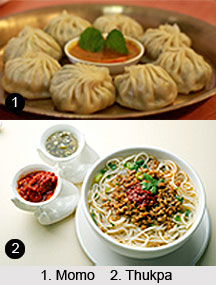
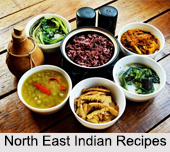
North East Indian recipes comprises of the cuisines of Assam, Arunachal Pradesh, Meghalaya, Sikkim, Manipur, Mizoram, Nagaland and Tripura. Their flavours and dishes are as unique as their colourful way of life. Most of their dishes use simple and flavourful fresh ingredients like Bamboo Shoot, Bhut Jolokia and local greens. The dishes are prepared with Mustard oil to intensify the flavour.
Thus, the diverse Indian state recipes make Indian culinary the most versatile cuisine in the world.