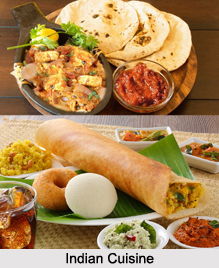
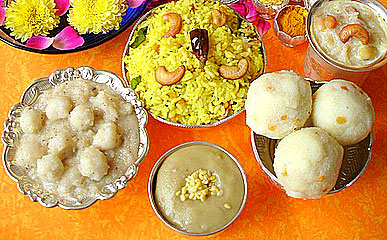
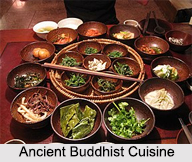
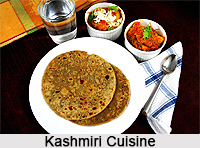
 Kashmiri Cuisine has evolved over hundreds of years and is highly influenced by the food of the Kashmiri Buddhists and Pandits, the Hindu community of the valley. Apart from this, it is also strongly influenced by the cuisines of Central Asia, Persia and the North India Plains. Mutton, being the most notable ingredient in Kashmiri cuisine has more than 30 varieties of dishes.
Kashmiri Pandit cuisine is elaborate and gives out the ethnic identity of the Pandits. The food is usually prepared in lots of curd, oil and spices. Mostly Chicken, Mutton, Onions, garlic and tomatoes are avoided in the preparation of the dish. Typical Vegetarian dishes from the cuisine of Kashmiri Pandits include: "Ladyar Tsaman", "Veth Tsaman", "Dama Oluv", "Nadeir Yakhean", "Choek Vangan", "Nadier Palak" and "Razmah Goagji".
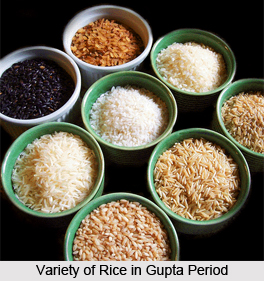
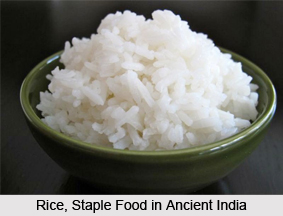
Kashmiris use lots of ghee to cook the dish but nowadays families have started using mustard oil as an alternative to avoid the intake of high fat. Rice is the staple food of Kashmir. Rice is cooked in many ways like the "Tursh", "Shulla" and "Zarda (sweet) Pulaos". "Kashmiri Pulao" is very aromatic and light. The wheat breads include "Kulcha", "Sheermal", the chewy "Girda", the sesame encrusted "Tsachvaru" and the soft "Bakirkhani", all eaten for breakfast with tea.
 Wazwan in Kashmiri Cuisine
A "Wazwan" is a multi-course meal in the Kashmiri Muslim tradition and treated with great respect. Its preparation is considered an art. Almost all the dishes are meat-based. It is considered a sacrilege to serve any dishes based around pulses or lentils during this feast. The traditional number of courses for the Wazwan is 36, though there can be fewer.
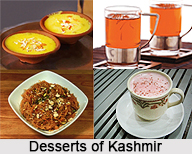
Desserts of Kashmiri Cuisine
Popular lip smacking desserts from the Kashmiri cuisine are the "Phirni", "Shufta", "Panjeeri", "Shakar Pareh", "Kasaar", "Seviyan" and many more. For desserts, fruits like apples, cherries, peaches, pears and plums are eaten. Tea drinking forms a very important part of Kashmiri Pandit cuisine and often takes the place of dessert. Two important types of tea are "Kehwa" and "Sheer Chai". Such teas are usually taken with baked breads such as Kulcha, Katlam, Roth or Bakarkhani in Kashmiri Pandit cuisine.