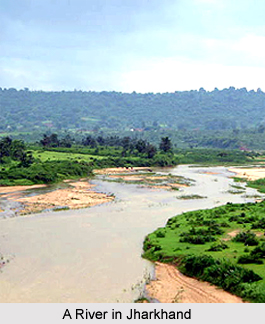
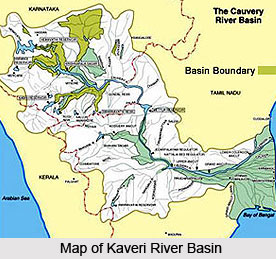
Several dams are build across the River Damodar for the benefit of the regions it cross. The dams fulfill the purpose of controlling flood as well as generating hydroelectric power. The dams are not only well conceived projects, but they also attract thousand tourists round the year. Some of the important dams across this river are as follows -
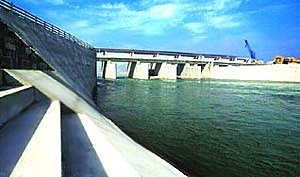 Panchet Dam is located in Dhanbad District of Jharkhand and is constructed across the Damodar River. The dam is 22,155 ft long and 134 ft high. Being a part of Damodar Valley Corporation, it has a hydel power station with a generating a capacity of 40 MV power. An inspection bungalow controlled by Damodar Valley Corporation, caters to the accommodation needs. Kumardubi Railway Station is located 10 km away from this dam and is the nearest railhead. Bus services to the dam are available from Barakar, Asansol, Maithon and Dhanbad (lies 50 km from the dam) to reach Panchet.
The Farakka Barrage was greatly designed on the lines of the Damodar Valley Corporation (DVC). It is one of the first major riverine projects undertaken by Nehruvian-influenced India. Both the DVC and the Bhakra project in the northern India were insightful of the government`s viewpoint that Damodar river management projects in India needed to be revamped on Western lines, with its look out on large dams.
Konar Dam is an important dam on this river and is also a picnic spot situated 51 km southeast of Hazaribag in Hazaribagh District, Jharkhand. The dam is built across the Konar River, about 37 km from its convergence with Damodar River. This was the second dam out of the four multi-purpose dams proposed in the first segment of the Damodar Valley Project.
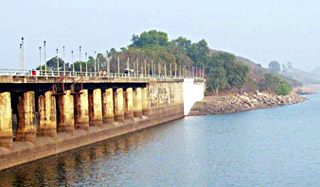 Tilaiya Dam is another dam built on this river and is constructed by Damodar Valley Corporation across the Barakar River. It is the first Dam and hydroelectric power Station in Kodarma District. The dam is 1,200 ft long and 99 ft high. The dam boasts scenic surroundings with a large reservoir, the length of which extends up to 36 sq km. It was constructed with the mission to control flood and it generates 4 MV power.
Terrace gardens and Picnic Island with motorboats and swimming corner are available adjoining the dam. There are several tourists` spots around the dam. Tilaiya Dam is 20 km from Koderma Railway Station. The dam is easy to get to by road, availing the Patna-Ranchi Road. At distances of 17 km and 194 km are Barhi and Patna respectively. Vehicles ply between Kodarma and Hazaribagh via Tilaiya Dam. Hazaribagh town is only 55 km away from the dam site.