December, January and February comprise the winter months approximately all over the country. During this season high pressure predominates over the Northern Plains. The north-east trade winds reign over the country during this season. They blow from the land towards the sea over major part of the country; and hence accounts for the dry season. The temperature goes on lessening from south to north. While January means temperatures in Chennai and Calicut record 24°- 25°C, they are within 10°C and 15°C in the Northern Plains. The days are normally warm and the nights cold. Minor frost is not infrequent in places at high altitudes.
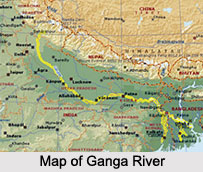
In the northern part of the country a weak high pressure area develops. Light wind with a low rapidity of approximately 3 to 5 km per hour begins to blow in the outward direction. Mostly, the topography of the region regulates the wind way. They are largely westerly or north-westerly down the Ganga Valley. They turn northerly in the Ganga-Brahmaputra delta. Released from the influence of topography, they are evidently north-easterly of the Bay of Bengal. The weather is truly rapturous. It is corroborated by facts like clear skies, low temperature and humidity, chilled breeze and rainless days.
The excellent weather conditions however at times get interrupted by trivial cyclonic depressions. Also known as western disturbances, they initiate over the Mediterranean Sea and travel eastwards across west Asia, Iran-Afghanistan and Pakistan, before they reach north-western parts of this country. Their direction, their moisture-content gets amplified from the Caspian Sea in the north and the Persian Gulf in the south.
These Western Disturbances induce light rainfall. Although the amount is scanty, yet it is exceedingly advantageous to the rabi crops, principally wheat. Rainfall is in the outcome of light showers in the plains and heavy snowfall in the western Himalayas. It is this snow that holds back the gush of water in the Himalayan Rivers during summer months. The precipitation goes on diminishing from west to east in the plains and from north to south in the mountains. These Western Disturbances are by and large premised by warm weather or abrupt rise in temperatures. The rainfall produced by Western Disturbances disperses over a couple of days, which is succeeded by clear skies and fall in temperatures. At times drop in temperature is 5 or more degrees from the normal, ensuing in cold waves.
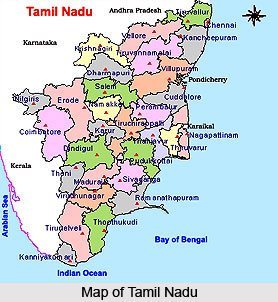
Tamil Nadu is the only part of India gaining from the north-east trade winds, lying in the far south. For example, Chennai receives reasonable amount of rainfall from these winds. In the Indian context these winds are widely known as north-east monsoons.