
Introduction
There are various Goverment Museums accorss the different state of India.
Government Museum of Chennai
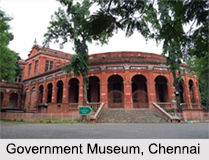 Government Museum of Chennai is a multi-purpose State Government Museum which is in the heart of the city of Chennai. It is the second oldest museum after the Indian Museum of Kolkata which was set up in 1814. It is mainly affluent in archaeological and numismatic collections and also has a vast collection of Roman antiquities, outside of Europe. Some of the edifices in the campus of the museum are over 100 years old. The Museum grounds comprises of 6 buildings and 46 galleries, covering the total area of about 16.25 acres. The Government Museum of Chennai is also selected as Manuscript Conservation Centre (MCC) under the National Mission for Manuscripts.
Location of Government Museum of Chennai
Initially, Government Museum of Chennai was set up in an edifice on the College Road, Nungambakkam, in 1851, later on, in 1854; it was shifted to the present locale in Egmore.
 Foundation of Government Museum of Chennai
Madras Literary Society debated the proposal for a museum in Madras in 1846 AD and Sir Henry Pottinger, the then Governor, obtained the approval of the Court of Directors of the East India Company in London. In January 1851 AD, Dr. Edward Balfour, Medical Officer of the Governor`s Body guard was appointed as the First Officer in charge of the Government Museum. The Government Museum of Chennai otherwise called as the "Central Museum" was started in the College of Fort St. George, in the premises of the present office of the Director of Public Instruction, on College Road. The Museum was started in the first floor of the college with the 1100 geological specimens of the Madras Literary Society. It gradually developed and expanded under the guidance and administration of a series of directors. As the building was in a decaying condition the Museum`s Superintendent Dr. Balfour advocated shifting it to another building. In December 1854 AD, it was shifted to a building named the Pantheon, also known as the "Public Rooms" or "Assembly Rooms", where the influential people of the city met. The Government Museum of Chennai was formally opened on December 5, 1896 AD by Sir Arthur Elibank Havelock, the then Governor and named after its progenitor, Lord Connemara, Governor General of Madras.
Collections in Government Museum of Chennai
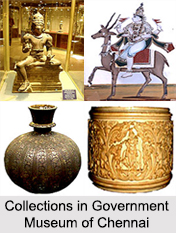
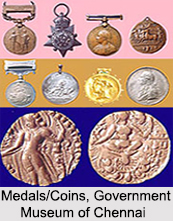
Government Museum of Chennai has a collection of 1200 objects which include a huge array of artefacts, palm-leaf manuscripts and other objects that have been segmented into various sections including geology, archaeology, zoology, anthropology, numismatics, botany and sculpture. Paintings of famous artists in India from various Art Schools are represented in the collection. The traditional paintings consist of Rajput, Mughal, Kangra, Tanjore, Deccan and South Indian School of Art. Bidriware, Metalware, Ivory and Sandalwood objects are also in the collection. The modern paintings consist of works of well-known artists namely Raja Ravi Varma, D.P. Roy Chowdhury, Nandalal Bose, Jaimini Roy and artists from Tamil Nadu. The Government Museum of Chennai also has a very rich collection of the ancient, medieval and modern Indian coins made of gold, silver, copper, lead and billon. Besides these there is a representative collection of foreign currency. There are at present 250 medals in the section, a greater part of which are exhibition medals, of very little interest. The rare pieces are the Mysore medals.
 The Government Museum of Chennai has 4 main galleries including the Hindu Sculpture Gallery, Bronze Gallery, Amravathi Gallery and the National Art Gallery. There is a Children"s Museum which is a very special segment dedicated to children. It has three main sub-divisions namely, Civilization Gallery, Kids Corner and the Transportation Gallery.
Government Museum at Coimbatore
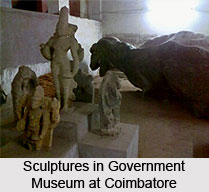 The Government Museum at Coimbatore in the state of Tamil Nadu was founded in the year 1990. It is located in the Mettapalayam road.
Being a multipurpose museum it is a storehouse of objects of art, archaeology, anthropology, numismatics, botany, zoology and geology.
People who are interested to view the museum may come between 9:30am to 5pm except on Fridays, second Saturdays and National holidays.
Government Museum at Cuddalore
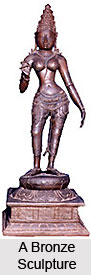 The Government Museum at Cuddalore in the state of Tamil Nadu was established in the year 1989. The museum is used to store a variety of objects of the ancient past.
The museum exhibits objects of art, archaeology, anthropology, numismatics, philately, botany, zoology and geology.
The Government Museum at Cuddalore in the state of Tamil Nadu was established in the year 1989. The museum is used to store a variety of objects of the ancient past.
The museum exhibits objects of art, archaeology, anthropology, numismatics, philately, botany, zoology and geology.
People who are interested to view the museum may come between 9:30am to 5pm. The museum remains close on Fridays, second Saturdays and National Holidays.
Government Museum at Erode
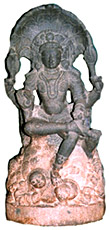 The Government Museum at Erode in the state of Tamil Nadu was established in the year 1987. It is a multipurpose museum located exactly in the Municipal Campus, Brough Road.
Being a multipurpose museum, it is a storehouse of objects of art, archaeology, anthropology, numismatics, philately, botany, zoology and geology.
People who are interested to visit the museum may come between 9:30am to 5pm except Fridays, second Saturdays and National holidays.
Government Museum at Kanyakumari
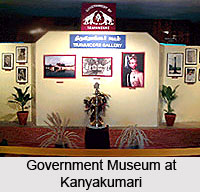 The Government Museum at Kanyakumari in the state of Tamil Nadu was established in the year 1991. It is exactly located in the Gandhi Memorial Road. This museum was built as a multipurpose museum.
The objects that have been displayed in the museum include objects of art, anthropology, archaeology, numismatics, philately, botany, zoology and geology.
People who are interested to visit the museum may come between 9:30am to 5pm except on Fridays, second Saturdays and National holidays.
Government Museum at Krishnagiri
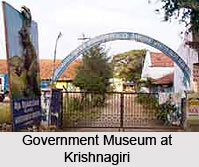 The Government Museum at Krishnagiri in the state of Tamil Nadu is a multipurpose museum founded in the year 1993. It is exactly located in the Gandhi Road.
This multipurpose museum has in its core the objects of art, archaeology, anthropology, numismatics, philately, botany, zoology and geology.
Interested people may visit the museum between 9:30am to 5pm. The museum remains closed on Fridays, second Saturdays and on National Holidays.
Government Museum at Madurai
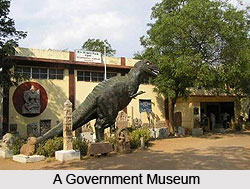 The Government Museum at Madurai in the state of Tamil Nadu was established in the year 1980 as a multipurpose museum.
The objects that have been displayed in the museum are the objects of archaeology, anthropology, numismatics, zoology, botany, geology and objects of children`s interest.
Interested people who are likely to visit the museum may come between 9:30am to 5pm except on Fridays, second Saturdays and on National Holidays.
Government Museum at Salem
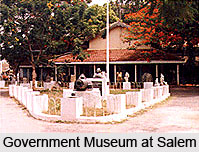 The Government Museum at Salem in the state of Tamil Nadu was established in the year 1979. It is a multipurpose museum.
The types of objects that are displayed in the museum are anthropological, archaeological, numismatics, zoological, botanical, and geological and objects of children`s interest.
People who are curious to visit the museum may come between 9:30am to 5pm except on Fridays, second Saturdays and on other National Holidays.
Government Museum at Sivaganga
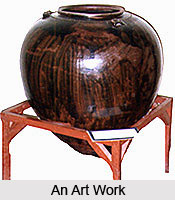 The Government Museum at Sivaganga in the state of Tamil Nadu was established in the year 1998. It is a multipurpose museum.
The objects that have been displayed in the museum include art, archaeology, anthropology, numismatics, botany, zoology and geology.
People who are likely to visit the museum may come between 9:30am to 5pm except on Fridays, second Saturdays and National Holidays.
Government Museum at Tiruchirapalli
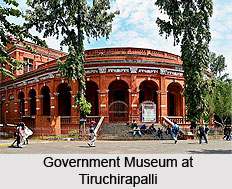 The Government Museum at Tiruchirapalli in the state of Tamil Nadu was established in the year 1982. It is a multipurpose museum.
The objects that have been exhibited in the museum include archaeological, anthropological, numismatics, zoological, botanical, geological, biological display objects, arts & crafts, natural history objects, philately and objects of children`s interest.
People who are interested to view the museum may come between 9:30am to 5pm except on Fridays, second Saturdays and National Holidays.
Government Museum at Tirunelveli
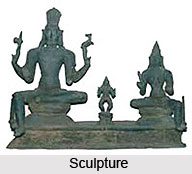 The Government Museum at Tirunelveli in the state of Tamil Nadu was established in the year 1992. It is a multipurpose museum exactly located on the Trivandrum High Road.
The objects that have been displayed in the museum include art, archaeology, anthropology, numismatics, philately, botany, zoology and geology.
People who are interested to visit the museum may come between 9:30am to 5pm except on Fridays, Saturdays and National Holidays.
Government Museum at Tiruvayur
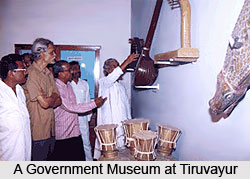 Tamil Nadu, since the prehistoric times has in its store to give a lot to the present humans. In Tiruvayur, the Government of India has built a museum named Government Museum in order to store objects of art, archaeology, anthropology, etc.
Established in the year 1998, the Government Museum at Tiruvayur is a show house of ancient historical objects of India. It exhibits objects like art, archaeology, anthropology, numismatics, botany, zoology and geology.
Historians, research scholars and general interested people may visit the museum between 9:30am to 5pm except on Fridays, second Saturdays and National Holidays.
Government Museum at Udhagamandalam
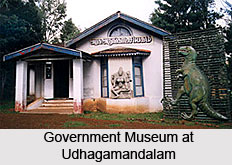 Nestled in the city of Udhagamandalam in Tamil Nadu, the Government Museum, Udhagamandalam was established in the year 1989 in order to store the ancient objects of Indian history.
The objects displayed in the museum include art, archaeology, anthropology, numismatics, philately, botany, zoology and geology.
Interested people who are likely to visit the museum may come between 9:30am to 5pm except on Fridays, second Saturdays and National Holidays.
Government Museum at Vellore
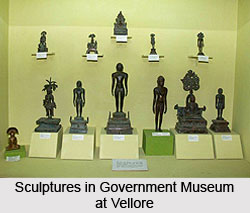 With the oldest historical tradition in the core, Tamil Nadu is famous for its cultural, and archaeological heritage. Located at Vellore, the Government Museum was established in the year 1985.
The objects that have been displayed in the museum include archaeological, anthropological, numismatics and natural history.
One who cherish to visit the museum may come between 9am to 5pm except on Fridays, second Saturdays and three National Holidays.
Government Museum at Jhansi
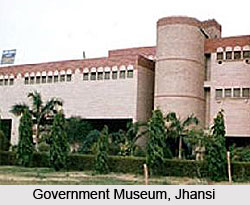 Government Museum of Jhansi was established in the year 1978.It contains miscellaneous objects. Stone sculptures, archaeological objects, terracotta, manuscripts, coins, metal objects throws a great deal of light on the golden past of Jhansi.The beautiful paintings especially miniature paintings, folk art objects never fail to attract the attention of art lovers.
The museum is open on all days from 7.30 A.M to 12.30 P.M in summer and 10.30 A.M. to 4.30 P.M in winter except Sundays, Mondays, 2nd Saturdays and Government holidays.
Government Museum at Hassan
The Government Museum at Hassan in the state of Karnataka is an archaeological type of museum. It was established in the year 1977, with a view to store the excavated things and the elements of the past. It includes elements from Hassan and that of the other parts of Karnataka.
This museum comprises of different archaeological objects, stone and bronze sculptures, inscriptions, arms, coins, paintings, and woodcarvings.
The museum remains open from 9am to 5pm. One may visit the place any day except Monday and other gazetted holidays.
Government Museum at Fort Madikeri
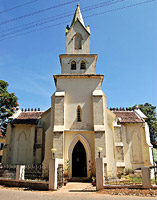 Madikeri, the district head quarter of Kodagu, the `Scotland of India` represents a picturesque, grand and charming view of nature. Previously known as Mercara, Madikeri is a wellknown tourist spot. The heady fragrances of the coffee blossoms are sure to draw you near through the breathtaking views all over.
Besides being an excellent tourist spot, Madikeri also has a Government Museum in its possession for the lovers of ancient India. It is an archaeological museum established in the year 1970. It exhibits objects like sculptures of the 11th century AD, old photographs, old dresses of Coorg (presently Kodagu) Rajas and British, old implements, arms, inscriptions, coins, bronzes and wooden carvings.
The museum greets its visitors during 9am to 5pm except on Mondays and general holidays.
Tripura Government Museum
Formerly a princely state, Tripura finds mention in the Mahabharata, the 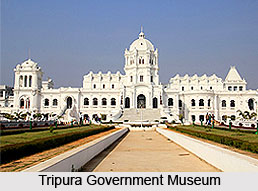 Puranas and the Ashoka Pillar. Besides, it is also a historical town with various historical aspects allover. To restore the historical findings of Tripura and its allied areas, the Government of Tripura established the Tripura Government Museum in Agartala, West Tripura in the year 1970.
Since then the museum stores the historical materials. Today it is a storehouse of the rare stone images, old coins, and archaeological articles from Tripura. It also exhibits the Bengal Kantha embroidery, sculptures, and the 8th-10th century Buddhist sculptures from Pilak. Along with these, there are numerous interesting work of art and architecture.
People who feel interested to view the historical items may visit the museum and have a glimpse at the past as well as the present.
Government Museum of Karnataka
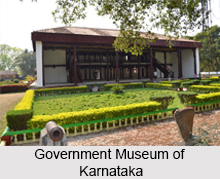 Government Museum of Karnataka which is also known Shivappa Nayaka Palace has the rare collections of arts and artefacts related to Nayaka Dynasty. There are the collections of art and artefacts of French East India Company, British East India Company, archaeological relics of Sompura, artworks that was evolved during the time Nayaka Dynasty of South India. The Archaeology department of Karnataka has filled with sculptures and rock edicts found in the area of Shimoga District of Karnataka.
Location of Government Museum of Karnataka
Government Museum of Karnataka is located in Shivamoga district in the Karnataka.
Naming of Government Museum of Karnataka
Government Museum of Karnataka is named after the popular 17th century king Shivappa Nayaka of the Keladi Nayaka dynasty which is located in Shivamogga city (formerly known as Shimoga), the district headquarters of the Shivamogga district in the Karnataka.
Architecture of Government Museum of Karnataka
Government Museum of Karnataka which was once the palace was named after the Nayaka king. According to art historian George Michell, the palatial bungalow which is now called the Government Museum of Karnataka was actually built by the 18th century Mysore ruler Hyder Ali.
Durbar Hall in Government Museum of Karnataka
The two storied building Government Museum of Karnataka comprises a Durbar hall ("nobel court") with massive wooden pillars and lobed arched panels. The living chambers of Government Museum of Karnataka on the sides are at the upper level and have balconies and look down into the hall.
Collections in Government Museum of Karnataka
Government Museum of Karnataka has the numerous antiquities collected from nearby temples and archaeological sites of Karnataka, such as sculptures, inscriptions and hero stones from the Hoysala era and later periods also during elements that were used in Nayaka Dynasty of South India, British East India Company, Tipu Sultan, Hyder Ali and later the French East India Company, Dutch East India Company and the British Government in India, which was established in India from 1857. These artefacts are on display at the palace grounds.
Maintenance of Government Museum of Karnataka
The building Government Museum of Karnataka is a protected monument under the Karnataka state division of the Archaeological Survey of India.
Shreemanthi Bai Memorial Government Museum
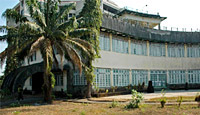 The Government of India established the archaeological museum named Shreemanthi Bai Memorial Government Museum at Mangalore in the state of Karnataka in the year 1960.
It was established in order to store the historical objects of Mangalore and the allied areas.
Presently, the museum is a storehouse of materials of art, archaeology, ethnology, woodcarvings, porcelain objects, palm leaf photographs, paper paintings, manuscripts, sculptures, oil paintings, metal objects and paper manuscripts.
People interested to visit the museum may come between 9am to 5pm except Monday.
Kittur Rani Channamma Memorial Government Museum
The Kittur Rani Channamma Memorial Government Museum at Kittur in the state of Karnataka is a museum of Art. It was established in the year 1967 with an objective to preserve the ancient objects of art and archaeology.
Presently it is a show house of sculptures, inscriptions, arms and armoury, woodcarvings, folk art objects, archaeological objects, modern and contemporary paintings.
The museum is kept open from 9 o`clock in the morning to 5 o`clock in the evening. It remains closed on every Monday.
Pd. Govind Ballabh Pant Government Museum
Pd. Govind Ballabh Pant Government Museum is situated at Central Lodge in Almora.It was established in the year 1980. The museum is multi purpose in nature. It has an interesting collection of art and crafts .It includes folk arts, textiles, Boshi Sen`s personal collection, miniature paintings, woodworks. The museum also has an assortment of sculptures, terracotta, coins, bronzes, musical instruments, ivory copper plates, beads, manuscripts and many other things.
The museum is open on all days from 10.30 A.M. to 4.30 P.M except Mondays Sundays and other public holidays.
Rallabandi Subbarao Government Museum
Situated in the bank of the river Godavari, Rajahmundry is the fifth largest city in the state of Andhra Pradesh with a rich cultural past, prospering present and a thriving future. This city is popularly known as the cultural capital of Andhra Pradesh.
The Rallabandi Subbarao Government Museum is famous for its cultural storage. Established in the year 1967, this museum is a storehouse of coins, sculptures, potteries, palm leaf manuscripts, inscriptions and many more.
Interested persons are likely to visit the museum between 10:30am to 5pm except Fridays and the state Government holidays. This museum is a tribute in itself strengthening the cultural field of Andhra Pradesh once more.
Government Museum & Art Gallery at Chandigarh
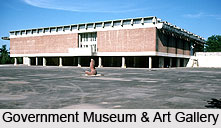 Goverment Museum and Art Gallery is situated in setcor 10, Chandigarh. It was established in the year 1968.
There several section in the museum like, Gandhara and Hindu Sculptures section, Indian miniature section, Indian contemporary section manuscript section, decorative and coin section, Evolution of man section and Dinosaurs of India section. The museum also possesses a good library. This museum is open on all days leaving Mondays.