Giddha Dance is a popular folk dance performed in the Punjab state of India. During Lohri occasion, the Punjabi women reveal their joy through the performance of Giddha. It is a very tough folk dance and like other such dances it is very much an affair of the legs. Giddha dance is ceremonial in nature and performed on festive occasions such as marriages, mundan and the festival of Teej or occasionally at the time of harvesting as well.
Performance of Giddha Dance
Giddha is essentially danced in circles. Girls" forms rings and one of the dancers sit in the center of this ring with a dholki. So quick is the movement of the feet in its faster parts that it is difficult for the spectator even to wink till the tempo falls again. Giddha Dance is an evergreen folk art form of Punjab which is performed in a group. The dancers sing folk songs in mellow but sonorous voices, especially accompanying to the beat of the clapping. One of the girls plays on the drum or `dholki` while others form a circle. While moving in a circle, the girls raise their hands parallel to the level of the shoulders and clap their hands in unison. Then they also strike their palms against those of their neighbouring participants. Clapping of hands generally provides the rhythm. During performing Giddha, the leader of the chorus sings a "boli", repeated by other participants, which are accompanied by the beat of the dholak, ghada and taliyan (clapping). By singing bolian, the ladies outpour their feelings of resentment, agony, pain, jealousy at their in-laws, and affection, warmth and love for their parental homes. The songs in Bolian verses are the stings of this dance. These songs translate stories of myths, daily life, occasions, love affairs, politics and many more.
 Mimicry is also a very popular insertion in `Giddha`. One girl may play the role of aged bridegroom and another his young bride; or one may play a quarrelsome sister-in-law and another can essay the role of a humble bride. In this way, Giddha provides for the entire group of girls a best forum for giving vent to their emotions. The number of participants is unrestricted and it further exaggerates the movements of the group.
Costume of Giddha Dance
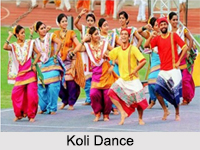
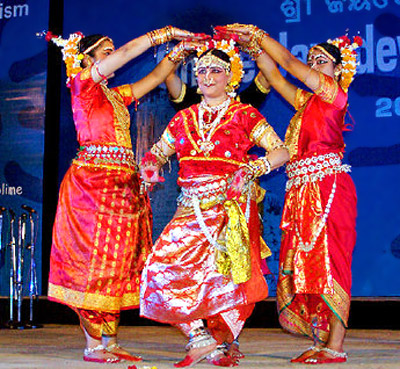
In the Giddha Dance, the young ladies gorgeously dress in colourful clothes; bright coloured salwar-kameez and beautifully embroidered dupattas. They adorn themselves with heavy jewellery which adds colours to the dance. The ornaments that they wear are suggi-phul (worn on head), pazaibs (anklets), haar-hamela, (gem-studded golden necklace) baazu-band (worn around upper-arm) and raani-haar (a long necklace made of solid gold).