
After the death of Harsha in 925 A.D., his son Yasovarman succeeded him. Yasovarman had made himself independent taking the advantage of the Gurjar Pratiharas. After making himself independent, he increased his power by defeating many royal dynasties. An inscription of Khajuraho praises the glory and fame of Yasovarman. A rock inscription indicates that Yasovarman had conquered Pala, Kosala, Kashmir, Khas, Kuru, Mithila and Malava kingdoms. Inscription of Khajuraho also indicates that he had snatched the statue of Baikunth from Devapala and established it in the temple of Khajuraho.
Khajuraho inscription also indicates that Yasovarman had defeated the king of Kalachri dynasty. The fort of Kalanjar was also conquered by Yasovarman as well. According to historians, Kalanjar was under the authority of the Pratihara. While others are of the opinion that Yasovarman had conquered the fort of Kalanjar from the Rashtrakutas.
Yasovarman died near about 950 A.D.
Yasovarman
After the death of Harsha in 925 A.D., his son Yasovarman succeeded him.
About Yasovarman
Conquests of Yasovarman
Yasovarman was a Khmer King. He ruled from 889-910. His conquests hold an interesting place in Indian history. Yasovavman proceeded from the southeastern way. Starting from Kannauj and conquering the provinces in the way he reached Mirzapur via Kanpur, Fatehpur and Prayag.
Conquest of Magadha: From Mirzapur, Yasovarman proceeded towards Magadha. During this period Magadha and Gauda were in one empire and probably Jivida Gupta II was ruling over Magadha. Sivita Gupta suffered a crushing defeat at the hand of Yasovarman.
Pala kingdom: It was the period of the decline of Pala dynasty. The Pala king Gopala II was the contemporary of Yasovarman. Yasovarman had conquered the areas of Gauda and Mithila from the Pala king.
Khas: The Khas king Chawduraj ruled over a part of Kashmir known as Lohar kingdom. Yasovarman is said to have defeated the king. But some historians doubt this victory and that`s because of its distance from the state of Yasovarman.
Kosala state: The state of Kosala was divided into two parts. One of them was North kosala under the Pratihara dynasty and the other one i.e. South Kosala under kings of a Soma dynasty. Khajuraho inscription states that Yasovarman had defeated the king of Kosala and snatched his treasure. However, it is not clear from the said inscription as to whether he had conquered south or north Kosala or both of them.
Kashmir: King Yasaskar, Sangramdeva and Purnagupta of Kashmir were the contemporary of Yasovarman. An inscription indicates that Yasovarman had conquered the warriors of Kashmir but no historical book is available which refers to his conquest. This portion of the inscription seems to have been written in praise of Yasovarman as well.
Mithila: Mithila was under Gopala II and Yasovarman had probably conquered and brought it under his authority.
Malava: In Malava Yasovarman`s contemporary was Parmara Siyak who was a Samanta of Rashtrakuta. King Yasovarman had also defeated him.
Kuru: Khajuraho inscription states that Yasovarman attacked and conquered the state of Kuru.
Attack on eastern Bengal: After conquering Magadha and Gauda, Yasovarman attacked the king of eastern Bengal. King Rajabhatta of Khanda dynasty was ruling over eastern Bengal and he suffered and defeat at the hands of Yasovarman.
Other conquest: After subjugating the aforementioned kings, Yasovarman reached the bank of river Narmada. Thereafter he comes to Thaneshwara via Marudesh. He conquered these provinces and then proceeded towards Ayodhya and thereafter compelled the citizens of Mandar parvat to accept his rule. After this he returned to his capital.
Founding of a city : It is said that after the conquest of Magadha, Yasovarman had founded a city there. There is a great controversy with regard to the location of the city founded by Yasovarman. According to Cunningham, Yasovarman found this city in Bihar while another scholar holds the view that it was founded in Ghosrana.
Cultural process : There are some evidences on the account of the cultural progress during the reign of Yasovarman. A scholar named Vakapati wrote `Gaudavaho` during the reign of Yasovarman. It is ranked among the great books of Prakrit language. The famous dramatist Bhavabhuti was in the court of Yasovarman. Bhavabhuti is ranked among the greatest dramatists of Sanskrit literature. He wrote the three dramas, which are `Malatimadhava`, `Mahavira-charit` and `Uttar ram-charit`.
It is said that Yasovarman was a devotee of Siva and built some temples. But there is no sufficient information about this.
Conquest of Magadha: From Mirzapur, Yasovarman proceeded towards Magadha. During this period Magadha and Gauda were in one empire and probably Jivida Gupta II was ruling over Magadha. Sivita Gupta suffered a crushing defeat at the hand of Yasovarman.
Pala kingdom: It was the period of the decline of Pala dynasty. The Pala king Gopala II was the contemporary of Yasovarman. Yasovarman had conquered the areas of Gauda and Mithila from the Pala king.
Khas: The Khas king Chawduraj ruled over a part of Kashmir known as Lohar kingdom. Yasovarman is said to have defeated the king. But some historians doubt this victory and that`s because of its distance from the state of Yasovarman.
Kosala state: The state of Kosala was divided into two parts. One of them was North kosala under the Pratihara dynasty and the other one i.e. South Kosala under kings of a Soma dynasty. Khajuraho inscription states that Yasovarman had defeated the king of Kosala and snatched his treasure. However, it is not clear from the said inscription as to whether he had conquered south or north Kosala or both of them.
Kashmir: King Yasaskar, Sangramdeva and Purnagupta of Kashmir were the contemporary of Yasovarman. An inscription indicates that Yasovarman had conquered the warriors of Kashmir but no historical book is available which refers to his conquest. This portion of the inscription seems to have been written in praise of Yasovarman as well.
Mithila: Mithila was under Gopala II and Yasovarman had probably conquered and brought it under his authority.
Malava: In Malava Yasovarman`s contemporary was Parmara Siyak who was a Samanta of Rashtrakuta. King Yasovarman had also defeated him.
Kuru: Khajuraho inscription states that Yasovarman attacked and conquered the state of Kuru.
Attack on eastern Bengal: After conquering Magadha and Gauda, Yasovarman attacked the king of eastern Bengal. King Rajabhatta of Khanda dynasty was ruling over eastern Bengal and he suffered and defeat at the hands of Yasovarman.
Other conquest: After subjugating the aforementioned kings, Yasovarman reached the bank of river Narmada. Thereafter he comes to Thaneshwara via Marudesh. He conquered these provinces and then proceeded towards Ayodhya and thereafter compelled the citizens of Mandar parvat to accept his rule. After this he returned to his capital.
Founding of a city : It is said that after the conquest of Magadha, Yasovarman had founded a city there. There is a great controversy with regard to the location of the city founded by Yasovarman. According to Cunningham, Yasovarman found this city in Bihar while another scholar holds the view that it was founded in Ghosrana.
Cultural process : There are some evidences on the account of the cultural progress during the reign of Yasovarman. A scholar named Vakapati wrote `Gaudavaho` during the reign of Yasovarman. It is ranked among the great books of Prakrit language. The famous dramatist Bhavabhuti was in the court of Yasovarman. Bhavabhuti is ranked among the greatest dramatists of Sanskrit literature. He wrote the three dramas, which are `Malatimadhava`, `Mahavira-charit` and `Uttar ram-charit`.
It is said that Yasovarman was a devotee of Siva and built some temples. But there is no sufficient information about this.
Successors of Yasovarman
Among the successors of Yasovarman the name of Aam, Dunduka and Bhoja are referred who ruled for twenty years. Thereafter the dynasty of Yasovarman declined and a new dynasty of Ayudha was established.
Three were three kings and the names can be mentioned as Chekrayudha in Ayudha dynasty.
Vajrayudha: It is stated that he became the king in 770 A.D. His reference is found in Karpur Manjari of Rajshekhara. Scholars say that Vajrayudha`s actual existence is borne out solely by an incidental reference made by Rajasekhara, the dramatist, who flourished at the Pratihara court in the first half of the tenth century A.D
Indrayudha: Vajrayudha was succeeded by Indrayudha in 788 A.D. When he ascended the throne of Kannauj, Pratiharas, Palas and Rashtrakutas were extending their frontiers. The said three dynasties tried to subjugate Indrayudha.
Chakrayudha: Chakrayudha became the king towards the end of eighth century A.D. At the time of his accession he arranged for a grand `Durbar`. The kings of Kuru, Bhadra, Matasya Yadu, Yatana, Aranti, Gandhara and other provinces attended his court at the time of his accession.
After some time since the accession of Chakrayudha, the, Gurjara-pratihara king Nagabhatta attacked Chakrayudha. Chakrayudha was completely defeated and the rule of Pratiharas was established at Kannauj.
Three were three kings and the names can be mentioned as Chekrayudha in Ayudha dynasty.
Vajrayudha: It is stated that he became the king in 770 A.D. His reference is found in Karpur Manjari of Rajshekhara. Scholars say that Vajrayudha`s actual existence is borne out solely by an incidental reference made by Rajasekhara, the dramatist, who flourished at the Pratihara court in the first half of the tenth century A.D
Indrayudha: Vajrayudha was succeeded by Indrayudha in 788 A.D. When he ascended the throne of Kannauj, Pratiharas, Palas and Rashtrakutas were extending their frontiers. The said three dynasties tried to subjugate Indrayudha.
Chakrayudha: Chakrayudha became the king towards the end of eighth century A.D. At the time of his accession he arranged for a grand `Durbar`. The kings of Kuru, Bhadra, Matasya Yadu, Yatana, Aranti, Gandhara and other provinces attended his court at the time of his accession.
After some time since the accession of Chakrayudha, the, Gurjara-pratihara king Nagabhatta attacked Chakrayudha. Chakrayudha was completely defeated and the rule of Pratiharas was established at Kannauj.
Recently updated articles in History of India
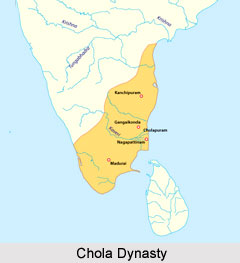
Chola Dynasty
Chola Dynasty is a Tamil dynasty and had longest duration of ruling in parts of South India. Chola dynasty had ruled South India successfully for a ex...
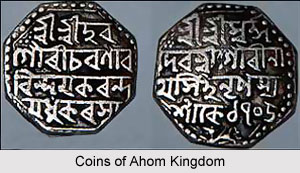
Suhungmung
Suhungmung was the fourteenth ruler of the Ahom dynasty who ruled from the period 1497 to 1539 AD. His reign was significant in terms of expansion of...
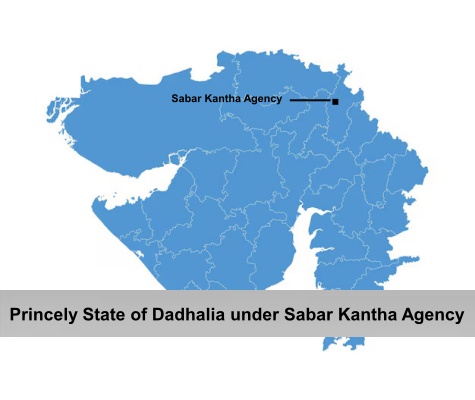
Princely State of Dadhalia
Princely State of Dadhalia was located in the present state of Gujarat. The state covered a total area of 28 sq miles and comprised of 15 villages. Th...
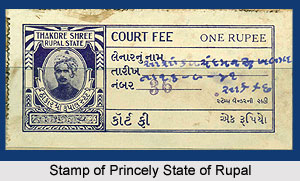
Princely State of Rupal
Princely State of Rupal was a part of the Baroda Agency, a sub division of Western India States Agency. It was under the administrative control of the...
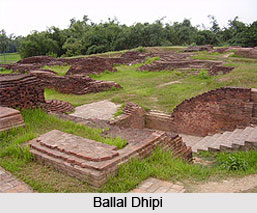
Archaeological Sites of West Bengal
Archaeological sites of West Bengal reveal several aspects of ancient India. Excavations by the Archaeological Survey of India have furnished artefact...
Related articles in History of India
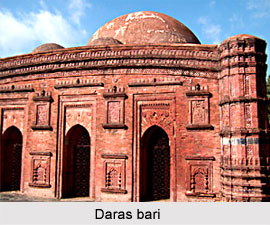
Mughal Architecture during Babur
Mughal architecture during Babur marked the foundation of a new architectural era in India, blending Timurid, Persian, and local influences. His reign...
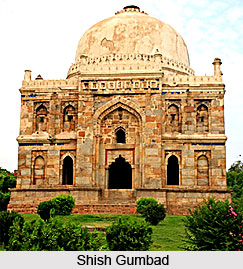
Architecture during Sayyid and Lodi Dynasty
Architectures during the Sayyid and Lodi dynasty were mainly the tombs and monuments for the dead rulers. It were carefully designed and meticulously...
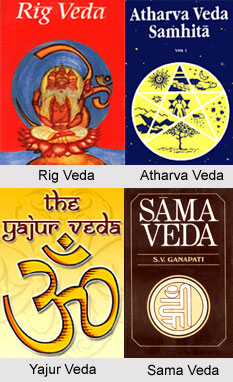
Brahmanical Sources of Ancient History
Brahmanical Sources of ancient history are contained in the Vedas and they constitute one of the most important literary sources of information about...
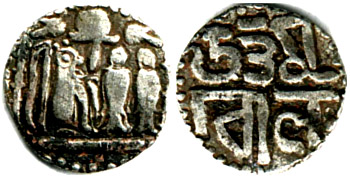
Coins of Chola Empire
Coins of Chola Empire were issued in gold, silver and copper and carried the Chola emblem.
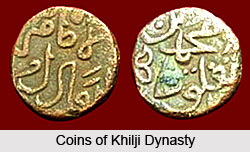
Coins of Khilji Dynasty
Coins of Khilji Dynasty had an influential feature that was followed by the other dynasties.