
Vandana forms an important part of the religious rituals of Jainism. The Guru Bhagwans act as bridges between the common man and dharma that are shown by the tirthankaras. Thus the third important ritual of Jainism is to bow down to the gurus. Guru-vandana is inter-connected with humility.
Humbleness does not form as an external dealing or behaviour of a man. Rather it is an internal matter. One can reach that far and realise the ultimate truth only after getting rid of his ego and self-arrogance. Therefore, once a person becomes free from arrogance he becomes empty from inside. Thus one who is empty from within will automatically bow down to gurus. This helps in progressing in the path of truth and achieving Moksha. Jainism lays down four important things needed to obtain humility.
* Listen to gurus respectfully and carefully
* Think over what you have listened
* Confess the same to guru-Bhagwant
* Carry out his order (aaghya)
For performing guru-vandana, there are certain external ceremonies which are scientific. One bows down with the help of his five angas which comprise of two hands; two knees and head. While performing this activity it puts pressure on certain glands that result in the secretion of certain substances which in turn controls the arrogance and brings in modesty within the person. Therefore it is eminent that arrogance comes down with body as well and Vandana becomes internal. It is for this reason that one experiences great respect or Aho-bhav meaning praise for his guru. Through the development of these habits one becomes eligible to receive knowledge and confesses his wrong doings.
In guru-vandana, shravak or shraman enters in guru`s Avagraha i.e. within three and half feet distance from the guru and then touches his feet and take his hands up to his head.
The process or Kriya of Vandana holds great significance. It is believed that constant array of rays emerge out of the Guru`s body which has a touch of knowledge and sanyam. During Vandana, these rays immediately convert and enter in the disciple`s body. Thus in short guru-vandana is an important religious ceremony in which, one becomes arrogance-free and receives the blessings of his guru in form of knowledge and sanyam.
Vandana
Vandana is an important ritual of Jainism where one out of humbleness bows down to the gurus. This helps in getting rid of ego and attaining Moksha.
Recently updated articles in Religion in India
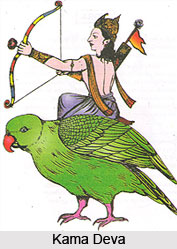
Kusumayudha
Kusumayudha is a name of Kamadeva, the Hindu God of Love. Depicted with a sugarcane bow and flower-tipped arrows, he represents attraction and longing...
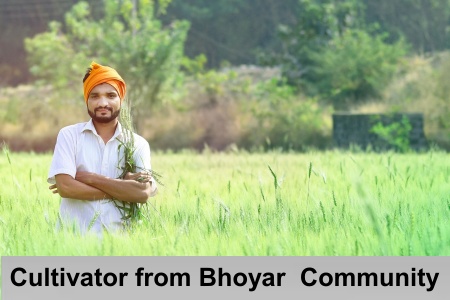
Bhoyar Caste
Bhoyar Caste is largely found in the Central Provinces of the country. Traditional occupation of Bhoyars is agriculture. They are good cultivators and...
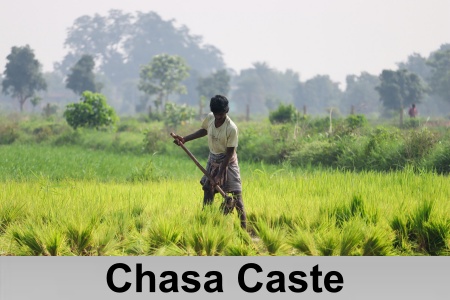
Chasa Caste
Chasa caste is a prominent agrarian community native to Odisha. Traditionally associated with cultivation and farming, Chasas have historically played...
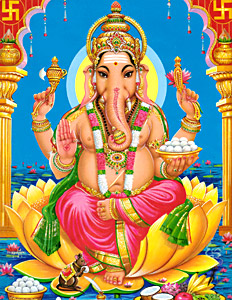
Vigneswara, A Form of Lord Ganesha
Lord Vigneswara is another form of Lord Ganesha or Vinayaka, prominently worshipped as the God of intelligence and good luck in the Indian subcontinen...
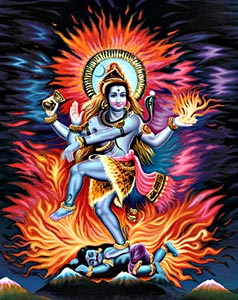
Maheswara
Maheswara, meaning “the Great Lord,” is a revered name of Lord Shiva in Hindu tradition. It represents Shiva’s supreme authority over creation, preser...
Related articles in Religion in India
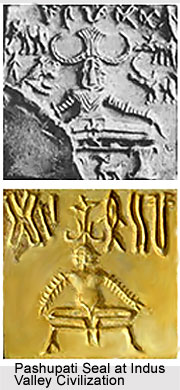
Religion in Indus Valley Civilization
Religion in Indus Valley Civilisation included Hinduism, Buddhism and Jainism. Details about the religion in Indus Valley Civilization have been gathe...
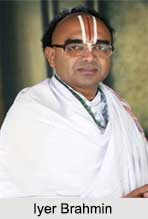
Iyer Brahmin
Iyer Brahmins are originally from Tamil Nadu of South India. They are known for their adherence to Advaita philosophy and Smarta traditions. Tradition...
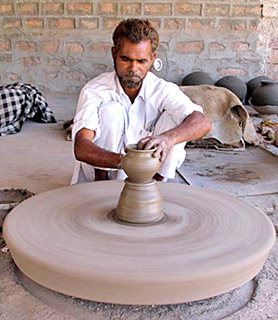
Kumbhakar / Kumhar Caste
Kumbhakar or Kumhar caste is a traditional artisan community in India known for pottery making. Derived from Sanskrit word Kumbhakar, meaning potter,...

Gujjars in Mughal Era
Gujjars in the Mughal era enjoyed great power. Further their power increased with the decline of Aurangzeb, Mughal emperor.
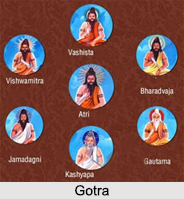
Gotra in Hinduism
In Hinduism, gotra refers to a lineage system tracing descent from ancient sages, primarily through the paternal line. Originating from Vedic traditio...